Table of contents
- Why Your Choice of Carpet Shop in York Matters
- The hidden costs of choosing the wrong carpet shop
- What separates professional carpet fitters York from DIY alternatives
- Why local expertise matters when buying carpets York
- The true value of aftercare and guarantees
- How product range affects your flooring options
- The difference between price and value in carpet shopping
- Conclusion
- Key Takeaways
- FAQs
Why Your Choice of Carpet Shop in York Matters
What separates a quality carpet installation from one that fails within months? The answer often lies not in the carpet itself, but in where you choose to buy it.
Your carpet shop selection determines whether you’ll experience years of comfortable flooring or encounter premature wear and expensive repairs. Most homeowners concentrate on finding the lowest price, yet the genuine value emerges through quality materials, expert installation, and reliable aftercare support.
York offers numerous carpet retailers, but considerable differences exist between basic suppliers and experienced professionals. Some carpet shops provide extensive product knowledge and skilled carpet fitters, whilst others focus primarily on quick sales with minimal ongoing support.
This guide explores why expertise, transparency, and local knowledge prove far more valuable than the cheapest initial quote when selecting carpets for your home.
The hidden costs of choosing the wrong carpet shop
Selecting an inappropriate carpet retailer triggers expensive problems that emerge months after installation. What initially appears as excellent value often becomes a financial burden when inferior materials fail early or installation errors surface.
Poor quality materials that wear out quickly
Many national carpet chains purchase generic carpets from suppliers and rebrand them with premium-sounding names like “Duchess” or “Champagne”. These identical products reach independent retailers, often at lower prices than major chains charge. This rebranding creates an illusion of luxury when you’re actually purchasing a product with reduced lifespan.
Carpet durability stems primarily from backing quality and fibre density. Cushion backing absorbs foot traffic impact, protecting fibres from premature deterioration. Closed cell cushioning offers short-term protection but degrades over time, whereas open cell cushion backing re-inflates after compression, providing superior long-term fibre protection.
Budget carpets may handle abrasion and pet scratching reasonably well, yet they remain vulnerable to furniture pressure marks and water-based stains.
Fibre composition proves equally important. Nylon 6,6 demonstrates superior toughness compared to nylon 6, though this creates trade-offs with recyclability. Pile density affects longevity because tightly packed fibres experience less movement, reducing friction and wear.
When carpet shops stock primarily lower-grade materials, replacement becomes necessary years sooner than expected.
Installation mistakes that void warranties
Carpet manufacturers specify precise underlay thickness and density requirements for good reason. Exceeding these specifications causes carpet stretching and compression with each footstep, eventually creating delamination where backing separates from fibres.
Manufacturers refuse warranty claims when installers use 12mm underlay instead of the specified 8mm. Insufficient underlay thickness causes accelerated wear-through in high-traffic areas.
Density specifications typically require 6lb or 8lb minimum per cubic foot. Saving £158.83 on cheaper foam underlay can result in £1,588.32 warranty claim rejection. Professional carpet fitters understand these requirements and provide written confirmation before proceeding.
Professional installation receipts remain mandatory for warranty validity. Manufacturers demand proof that certified installers followed specifications for seam placement, stretching tension, tack strip spacing, and adhesive selection. DIY installation voids coverage completely, regardless of skill level.
Some manufacturers require warranty registration within 30 days—missing this deadline eliminates protection.
The Consumer Rights Act 2015 makes retailers jointly responsible for subcontractor service quality. Terms and conditions cannot override statutory rights. However, proving installation faults occurred during fitting rather than through subsequent use requires proper documentation.
Hidden fees and unclear pricing structures
Headline carpet prices rarely include essential installation components. Many carpet shops charge separately for underlay, grippers, and door bars—items necessary for most installations. National chains advertising “free” underlay typically provide basic options, with superior grades incurring additional costs.
Subfloor preparation represents another frequently omitted expense. Uneven concrete requires latex screed or smoothing compound, whilst old floorboards may need ply boarding before certain installations. These material and labour costs should appear in written quotes following subfloor inspection, not as installation day surprises.
Old flooring removal, door adjustments for new carpet thickness, and minimum charges for small rooms create unexpected costs when not itemised clearly. “Complimentary” samples and consultations aren’t genuinely free—these operational expenses appear either in service charges or inflated carpet prices. This opacity makes comparing true value between providers virtually impossible.
Carpets purchased from retailers with unclear pricing often cost considerably more than initial quotes suggested, whereas reputable installers provide comprehensive breakdowns including VAT and all necessary components.
What separates professional carpet fitters York from DIY alternatives
Professional carpet installation involves considerably more complexity than most homeowners appreciate when considering DIY approaches. The difference between amateur fitting and professional work extends well beyond basic carpet laying into technical assessments, specialised techniques, and regulatory compliance that directly affect your flooring’s performance and longevity.
Proper subfloor preparation and assessment
Subfloor condition determines whether your carpet lasts five years or fifteen. Professional carpet fitters York employs begin every project with moisture testing, particularly on concrete subfloors where excess moisture causes warping, swelling, mould growth, and adhesive failure. Concrete absorbs moisture from the ground, requiring verification that levels stay within acceptable ranges before installation proceeds. Wood subfloors need moisture content between 6-12% to prevent expansion issues.
Professional assessments extend beyond moisture into surface regularity and structural soundness. Concrete subfloors must show hygrometer readings not exceeding 75% Relative Humidity when tested according to British Standard requirements.
Cracks, dips, or signs of mould require immediate attention before any carpet installation begins. Minor imperfections get corrected using self-levelling compounds, whilst larger issues demand grinding or sanding.
pH testing on concrete proves equally crucial because high alkalinity damages adhesives and undermines carpet performance. Wooden subfloors require checks for loose boards, squeaking, and structural stability. Professional installers identify termite damage, rotting materials, and sagging that compromise the entire installation. These inspection processes protect your investment in ways DIY approaches simply cannot replicate.
Advanced fitting techniques for different carpet types
Each carpet construction demands specific installation methods that require professional expertise. The stretch-in method remains most common for broadloom carpets, using tack strips to secure material without adhesives.
This technique requires precise stretching to prevent wrinkles and bubbles from forming over time. For larger rooms where seams become inevitable, professionals know exactly where to position joins so they remain virtually invisible.
Machine seaming, hot-melt tape seaming, and hand-sewing represent the preferred joining methods, with hand-sewing requiring the highest skill level. The installer must trim selvedges carefully without cutting face yarn, then seal edges with recommended sealant to prevent tuft loss.
Pile direction matters considerably as well. Carpet should run towards main traffic flow and entrance points, improving both appearance and durability.
Carpet tiles and planks follow different protocols entirely. These products need acclimatisation for 24-48 hours minimum, extending to 48-72 hours during winter months. Background temperature must reach approximately 18°C or higher during this period.
Installation over raised access floors requires keeping tackifying adhesive 25mm clear of each panel edge.
Equipment that ensures perfect seams and edges
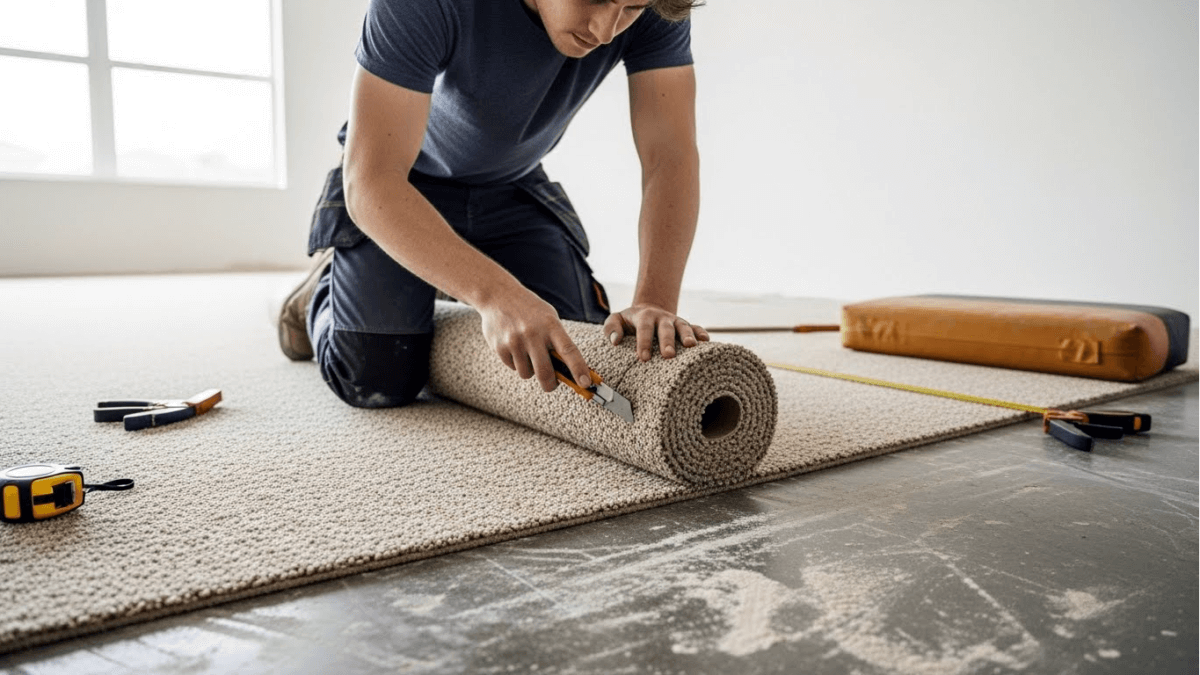
Professional installations depend on specialised tools that DIY enthusiasts rarely possess. Power stretchers ensure carpets stay taut and secure, preventing the wrinkles that appear months after amateur installations. Knee kickers work alongside power stretchers for detailed positioning, though improper use causes injury.
Heat seaming irons with adjustable temperature controls create strong, seamless joins between carpet sections. These tools maintain consistent temperatures for precise heat application, bonding sections securely enough to withstand heavy use. Seam rollers with steel star wheels press carpet backing into hot melt glue whilst still warm. Carpet tractors aid tighter adhesion bonds and flatter seams when joining pieces.
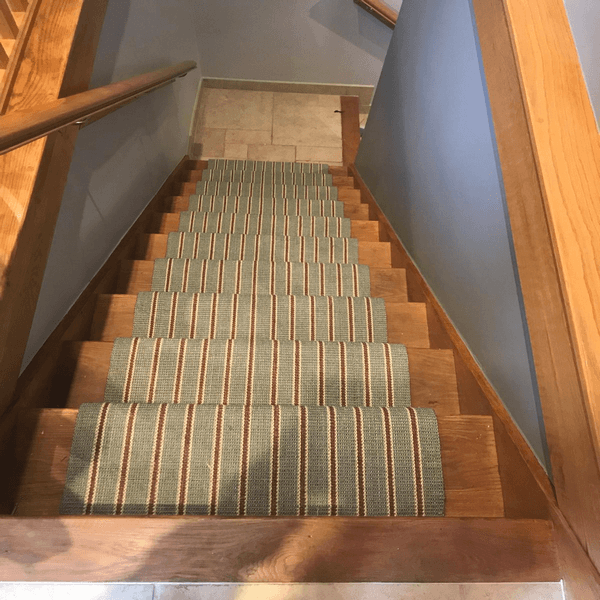
Professional installers also use specialised cutting tools, stair tools, and seam locks that prevent joins pulling apart during heat seaming. This equipment represents significant investment that proves unnecessary for single installations but remains essential for achieving quality results.
Knowledge of building regulations and standards
All carpet installations must comply with BS5325:2021, the British Standard covering textile floor coverings in new or existing buildings. This standard details suitable design and installation methods, advising on material selection and implementation requirements. It superseded BS5325:2001 and took effect on 31 July 2021.
Commercial installations require experienced installers familiar with different carpet constructions and qualified to complete work meeting the highest standards. The Carpet and Rug Institute’s Commercial (104) and Residential (105) standards provide detailed installation principles representing over 25 years of expertise. These standards address innovations requiring new approaches, particularly for planning and subfloor preparation.
Professional carpet fitters York residents trust understand these requirements thoroughly. They know door clearances need adjustment to accommodate carpet thickness, underlay must lay smoothly without creases or bubbles, and gripper rods secure carpet whilst removing final air pockets. This regulatory knowledge separates competent installations from amateur attempts that fail prematurely.
Why local expertise matters when buying carpets York

Local carpet shops bring specialised knowledge that national chains cannot replicate, regardless of their marketing budgets or extensive product ranges. Geography, building heritage, and community connections create practical advantages that directly impact your carpet’s performance and the service quality you receive.
Understanding York’s specific climate and humidity
Climate influences carpet selection more than most homeowners appreciate. Regions with high humidity create moisture issues where excessive levels lead to mould and mildew growth in carpets. Local flooring experts understand which products suit local homes and conditions, recommending materials that resist regional climate challenges rather than promoting whatever corporate headquarters wants sold this quarter.
We asked several York carpet specialists about moisture-related issues in the area. They consistently noted that certain neighbourhoods experience particular humidity problems, especially properties near the river or in lower-lying areas. This local knowledge helps them guide customers towards materials that handle Britain’s variable humidity without encouraging microbial growth.
Local specialists observe how different carpet types perform in York properties over many years. They know which synthetic fibres resist moisture effectively and which wool treatments provide adequate protection. This practical experience proves more valuable than manufacturer specifications alone.
Knowledge of local property types and flooring challenges
York’s mixture of historic properties and modern builds creates unique installation challenges. Local flooring professionals possess in-depth knowledge about various flooring needs, including installation challenges unique to local architecture. They understand which Victorian terraces have solid floors versus suspended timber, where Georgian properties typically experience damp, and how post-war housing stock differs structurally.
This architectural familiarity prevents costly mistakes. A carpet fitter unfamiliar with York’s older properties might overlook subfloor issues common in period homes or use inappropriate fixing methods that damage original features. Local experts recognise when properties need special consideration before installation proceeds, saving you from premature carpet failure.
Quick response times for measurements and fitting
Distance matters when coordinating installations. Local teams offer faster, more flexible installation dates and respond quickly if you need help or have questions. Regional companies can measure and fit carpets within 24 hours when stock allows, whilst others complete the entire process from measurement to installation within two weeks, even during busy periods.
National retailers coordinate through distant call centres, creating delays between measurement appointments, quotes, and actual fitting. Local carpet shops handle everything directly. You speak with decision-makers who schedule work immediately rather than submitting requests through corporate systems. When issues arise post-installation, local carpet fitters arrive quickly rather than adding you to a regional service queue.
Supporting the local economy
Every purchase from local carpet shops keeps money circulating within your community. Local flooring specialists often source products from nearby suppliers, support local jobs, and contribute to community projects. Your carpet investment helps maintain vibrant high streets and funds local employment rather than inflating shareholder dividends for distant corporations.
Local businesses depend on customer referrals and repeat sales, so they work hard to meet and exceed your expectations. The business owner connects directly to every salesperson, creating accountability that produces personal service where problems get taken seriously.
This relationship-based approach makes carpet buying a partnership where your satisfaction determines their reputation within a community they actually inhabit.
The true value of aftercare and guarantees
Warranties and aftercare reveal the difference between reputable carpet retailers and those who vanish after taking payment. A warranty’s genuine worth becomes apparent not during purchase, but years later when problems emerge and you require support.
What comprehensive warranties should cover
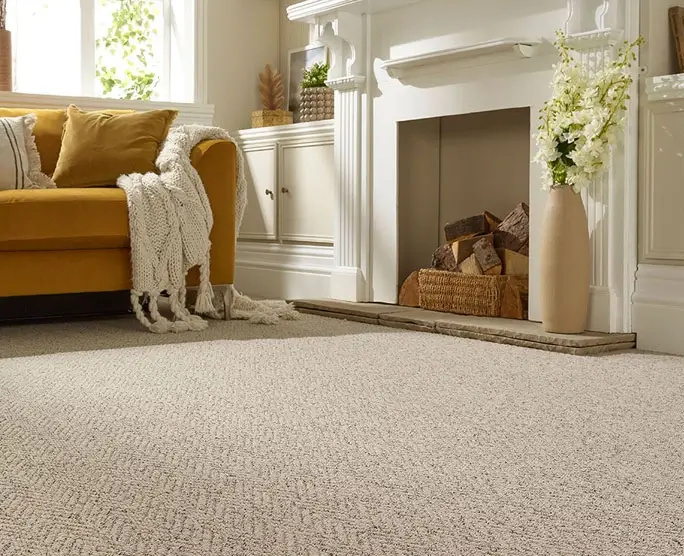
Quality carpets include warranties spanning 20 to 25 years for wear and stain resistance. Associated Weavers offers 20-year wear and stain warranties on their Invictus range, whilst their Vivendi collection provides 25-year coverage. These warranties protect against fibre deterioration through abrasion, provided proper maintenance continues.
Wear warranties typically apply when pile weight decreases more than 10% compared to non-traffic areas, though normal crushing, flattening, or appearance changes remain excluded. The affected area must exceed 10cm diameter with visible backing and no remaining pile surface yarn.
Stain warranties cover food and beverage spills but exclude non-food substances, pigment stains such as mustard, and damage from incorrect cleaning methods.
Installation warranties prove equally crucial. Coverage includes restretching, retucking at walls and mouldings, seam repairs, and visual problems the installation team can correct.
Most warranties exclude labour costs for removal or reinstallation when defects appear, though some reputable shops include removal costs limited to £3 per square metre plus standard installation rates.
Warranties require professional carpet cleaning every 12 to 18 months with retained receipts as proof. Missing this maintenance schedule voids coverage completely. Professional installation by DB5325 registered fitters remains mandatory, alongside keeping your original purchase invoice showing retailer details, purchase date, carpet name, colour, and price per square metre.
How reputable shops handle post-installation concerns
Response speed demonstrates genuine customer commitment. Established carpet retailers handle post-installation issues professionally and promptly. When problems appear during warranty periods, reputable shops resolve matters quickly rather than creating procedural barriers.
Professional retailers provide one-year fitting warranties as standard, covering installation workmanship issues. Problems get addressed through direct shop contact rather than manufacturer complaint procedures. Retailers inspect concerns on-site before determining suitable solutions.
Ongoing maintenance guidance and support

Expert maintenance advice extends carpet lifespan considerably. Knowledgeable sales staff provide specific preservation guidance for your carpet type. Whether maintaining saxony carpet luxury or treating coffee and wine stains on twist pile, professional advice proves invaluable.
Established shops explain correct vacuuming techniques, suitable cleaning products for your carpet’s fibre composition, and appropriate timing for professional deep cleaning. They understand carpet fibres deteriorate through dirt abrasion, UV exposure, and moisture, making regular vacuuming essential for removing abrasive particles that damage fibres.
This expertise creates lasting partnerships where retailers remain invested in your carpet’s long-term performance, building reputation through customer satisfaction and recommendations rather than single transactions.
How product range affects your flooring options
Product selection breadth determines whether you discover the perfect carpet or settle for whatever happens to be available. Established carpet retailers offer significantly more choice than limited stock suppliers.
Access to premium brands versus limited stock
Showrooms stock exclusive collections from manufacturers that remain unavailable for direct online purchases. This diversity inspires creativity and helps you discover options you might not have considered.
Established carpet shops York residents visit carry multiple carpet styles including Easy Clean ranges with 10-year stain and wear guarantees, deep pile carpets made from 100% Luxelle Polypropylene with decade-long stain warranties, wool twist carpets in heather, flecked or plain shades across various pile weights, and wool loop collections featuring striped designs and natural seagrass appearances.
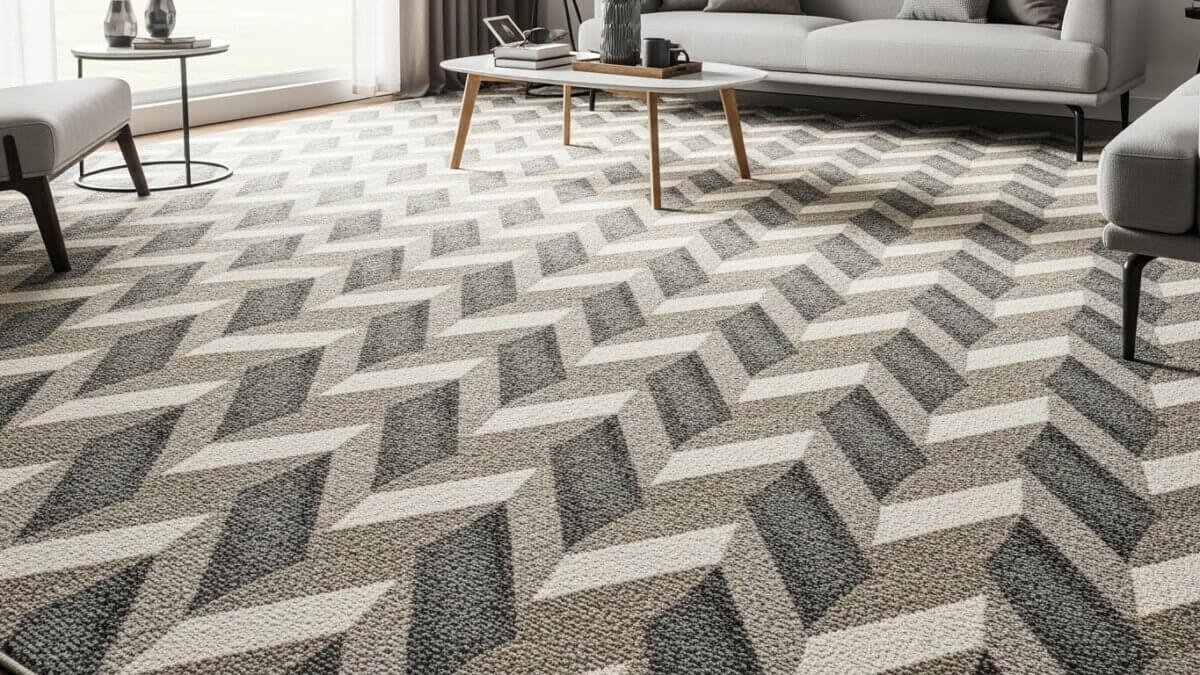
Limited stock retailers restrict your choices to whatever they currently warehouse. Shops with extensive ranges allow you to select from Easy Clean Loop collections that combine wool’s appearance with practical hard-wearing properties. You gain access to recently launched products like Natural Berber Twist available in multiple qualities, rather than being restricted to discontinued lines national chains need to clear.
Ability to see and feel samples before purchasing
Examining carpet samples in your home provides no substitute for experiencing the actual texture and appearance in your space. Reputable carpet shops York offers provide in-home consultation services allowing you to examine unlimited samples. Many retailers supply up to three free carpet samples with additional options at minimal cost.
Home lighting conditions significantly affect carpet colour and texture, making samples appear different from showroom displays. Testing samples under various lighting from natural daylight to evening artificial light reveals how carpets perform throughout the day.
You can place samples alongside existing furniture and décor to assess visual compatibility. Walking on showroom flooring allows you to evaluate comfort, noise levels, and warmth underfoot. The sensory experience of physically examining different options provides better understanding of what you’ll live with daily.
Custom orders and special requirements
Many carpet shops accommodate bespoke requirements that standard retailers cannot match. Custom sizing ranges from 140 to 1800cm length and 75 to 500cm width. For patterned designs, patterns adjust to fit your selected dimensions, with artisans ensuring no patterns get cut in half. Production timelines extend 14 to 19 weeks for custom rugs, whilst custom carpet designs complete within three weeks from order placement.
Custom options provide complete control over pattern scale, texture, pile height, and materials. This freedom allows precise vision realisation without compromises required when selecting from existing inventory.
Coordination with other home improvement projects
Extensive product ranges enable coordination with mouldings, baseboards, and other flooring elements that complement your carpet choice. Shops stocking diverse collections help you create cohesive design schemes across multiple rooms and renovation phases.
The difference between price and value in carpet shopping
Price tags alone don’t reveal the complete picture when evaluating carpet retailers in York. The cheapest quote often conceals higher long-term expenses, whilst premium options deliver financial benefits that only become apparent over years of ownership.
Understanding total project costs
Budget carpets cost between £5-£15 per square metre, mid-range options run £15-£30, and luxury varieties reach £30-£50 or beyond. However, these figures represent only the carpet itself. Underlay adds £8-£12 per square metre for quality options, whilst professional fitting ranges from £3-£12 per square metre. A 16 square metre room requiring budget carpet, decent underlay, and professional installation totals approximately £368-£592 before considering gripper rods, door bars, or subfloor repairs.
Quality of underlay and preparation work
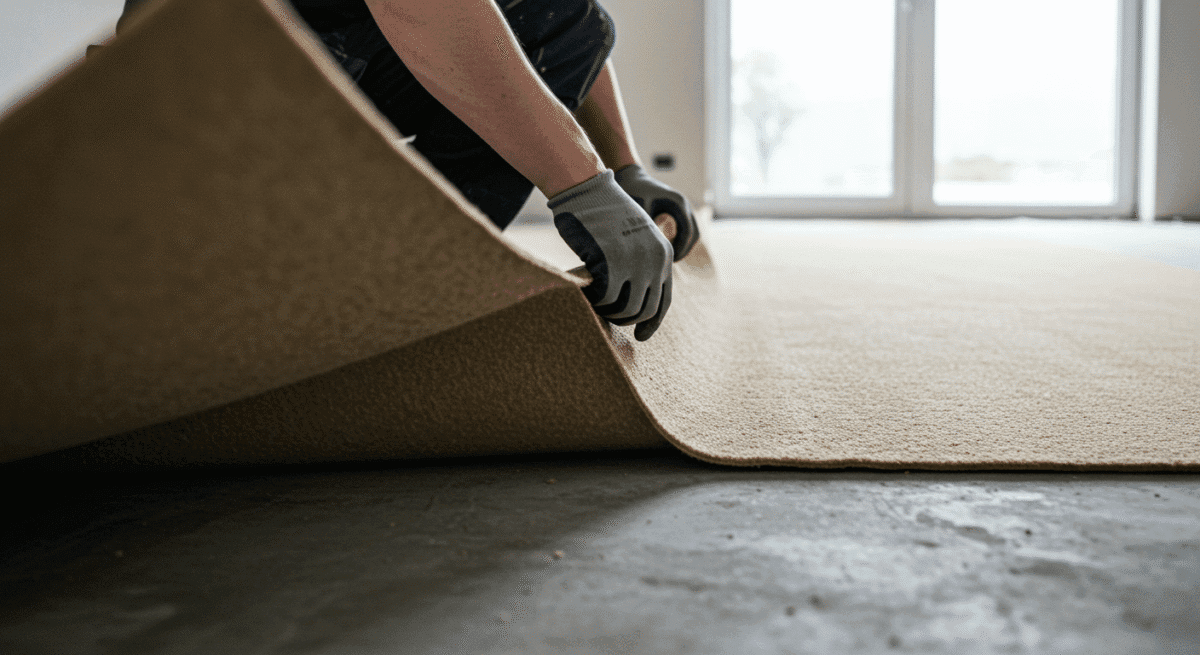
Underlay choice dramatically affects total ownership costs. Skimping on underlay significantly reduces carpet lifespan. Quality underlay acts as a shock absorber, reduces noise, improves insulation leading to lower energy bills, and minimises carpet wear in heavy traffic areas.
Without proper underlay, carpets fitted may invalidate your guarantee or warranty. Floor levelling costs around £10-£15 per square metre when subfloor issues surface, expenses that emerge only after old flooring comes up.
Longevity versus upfront savings
Budget carpets typically need replacement every 5-7 years, whereas premium carpets last 15-20 years. Polyester carpets average about five years lifespan, whilst expensive carpets may endure ten to fifteen years or even decades with quality underlay. High-density carpet resists crushing and matting, preventing premature ageing. The initial investment may be higher, but long-term cost proves significantly lower.
Hidden value in professional advice
Professional guidance helps you avoid costly mistakes. Approximately 80% of carpet pricing stems from fibre quality. Shops providing transparent cost breakdowns for underlay and installation enable genuine price comparisons. Expert recommendations matching carpet types to specific room usage prevent overspending in low-traffic areas whilst ensuring durability where needed.
Conclusion
Carpet selection represents a significant investment in your home’s comfort and value. Evidence supports choosing established carpet shops that provide quality materials, professional installation, and ongoing support rather than focusing solely on initial cost savings.
Professional carpet shops deliver genuine value through expert guidance tailored to your specific needs. They understand which products suit your home’s conditions, provide proper installation that maintains warranties, and offer aftercare that extends your carpet’s lifespan considerably.
If you’re considering carpet installation, speak to local professionals who can assess your requirements and provide transparent pricing that includes all necessary components.
Take time to evaluate credentials, warranty coverage, and local reputation alongside pricing. Professional installation protects your investment and ensures your flooring performs optimally for years ahead.
Your home deserves the expertise that comes from working with carpet specialists who remain committed to your satisfaction long after installation completes.
Key Takeaways
Choosing the right carpet shop in York significantly impacts your flooring’s longevity, performance, and total cost of ownership over the years ahead.
• Poor carpet shop choices lead to premature wear, voided warranties, and hidden costs that can exceed £1,500 in replacement expenses
• Professional carpet fitters provide essential subfloor assessment, regulatory compliance, and specialised techniques that DIY installation cannot match
• Local York expertise offers climate-specific recommendations, faster response times, and architectural knowledge crucial for proper installation
• Comprehensive warranties covering 20-25 years require professional cleaning receipts and registered installation to remain valid
• Total project costs include underlay (£8-£12/m²) and fitting (£3-£12/m²), making budget carpets cost £368-£592 for a typical room • Premium carpets lasting 15-20 years prove more economical than budget options requiring replacement every 5-7 years
The difference between a £5/m² carpet lasting five years and a £30/m² carpet lasting twenty years represents genuine value, not just higher prices. Professional installation, quality underlay, and local expertise transform carpet buying from a transaction into a long-term investment in your home’s comfort and value.
FAQs
Q1. Why is choosing the right carpet shop important? Selecting a reputable carpet shop ensures you receive quality materials, professional installation, and comprehensive aftercare that protects your investment for years. The right shop provides expert guidance on carpet selection, proper underlay specifications, and installation techniques that prevent premature wear and warranty issues.
Q2. Should I buy carpet online or visit a physical shop? Visiting a physical carpet shop is highly recommended as it allows you to see colours accurately in different lighting, feel the texture and pile quality, and receive expert advice tailored to your specific needs. Online shopping makes it difficult to assess true carpet quality and colour, which can lead to disappointment when the product arrives.
Q3. How important is underlay when purchasing carpet? Underlay is crucial for carpet longevity and comfort. Quality underlay acts as a shock absorber, reduces noise, improves insulation, and minimises carpet wear in high-traffic areas. Skimping on underlay significantly reduces carpet lifespan and may even void your warranty, making it worth investing in the best underlay you can afford.
Q4. What type of carpet is best for homes with pets? For pet owners, short pile synthetic carpets (polypropylene or polyester) work best as they’re easier to clean, stain-resistant, and more durable than wool. Avoid loop pile carpets as pets can pull at the loops, and consider carpets with flecks or colour variation to hide pet hair and stains more effectively.
Q5. How can I tell if a carpet is good quality? Quality carpets have higher pile density, durable backing, and better fibre composition. Premium carpets typically last 15-20 years compared to budget options that need replacing every 5-7 years. Look for carpets with comprehensive warranties (20-25 years for wear and stain resistance), and always feel samples in person to assess texture and construction quality.