Table of contents
- What is eco-friendly flooring and why does it matter?
- Top sustainable flooring materials for UK homes
- Which sustainable flooring works best for each room?
- Installation, Maintenance and Long-Term Care
- Now read
- Key Takeaways
- FAQs
- Q1. What makes flooring eco-friendly and sustainable?
- Q2. How does bamboo flooring compare to traditional hardwood in terms of sustainability?
- Q3. Is cork flooring suitable for kitchens and bathrooms?
- Q4. How long does sustainable flooring typically last compared to conventional options?
- Q5. What cleaning products should I use to maintain eco-friendly flooring?
More UK homeowners now choose sustainable flooring materials, reflecting a shift towards healthier homes and environmental responsibility. Sustainable flooring uses materials that minimise environmental impact throughout their entire lifecycle – from sourcing and manufacturing to eventual disposal or recycling.
Renewable materials like bamboo and cork form the foundation of eco-friendly flooring choices, alongside reclaimed wood and FSC-certified hardwood. These options reduce your home’s carbon footprint whilst improving indoor air quality and adding long-term property value.
We’ve consulted flooring experts to create this guide for UK homes, examining the most effective sustainable flooring solutions for every room. Each option balances environmental benefits with practical performance, helping you make informed decisions that work for your lifestyle and budget.
What is eco-friendly flooring and why does it matter?
Understanding sustainable flooring materials
Sustainable flooring materials maintain minimal environmental impact from sourcing through to disposal or recycling. The process begins with how materials are harvested and continues through manufacturing, installation, and eventual replacement. Renewable resources that regenerate quickly with low emissions provide the foundation for truly eco-friendly options.
Manufacturing practices determine whether flooring genuinely qualifies as sustainable. Ethical sourcing, waste recycling, and responsible production methods all influence a product’s environmental credentials.
FSC certification guarantees wood originates from responsibly managed forests with controlled harvesting procedures. Materials like bamboo and cork demonstrate exceptional sustainability through rapid regeneration – bamboo reaches maturity in just three to five years.
Environmental impact of traditional flooring
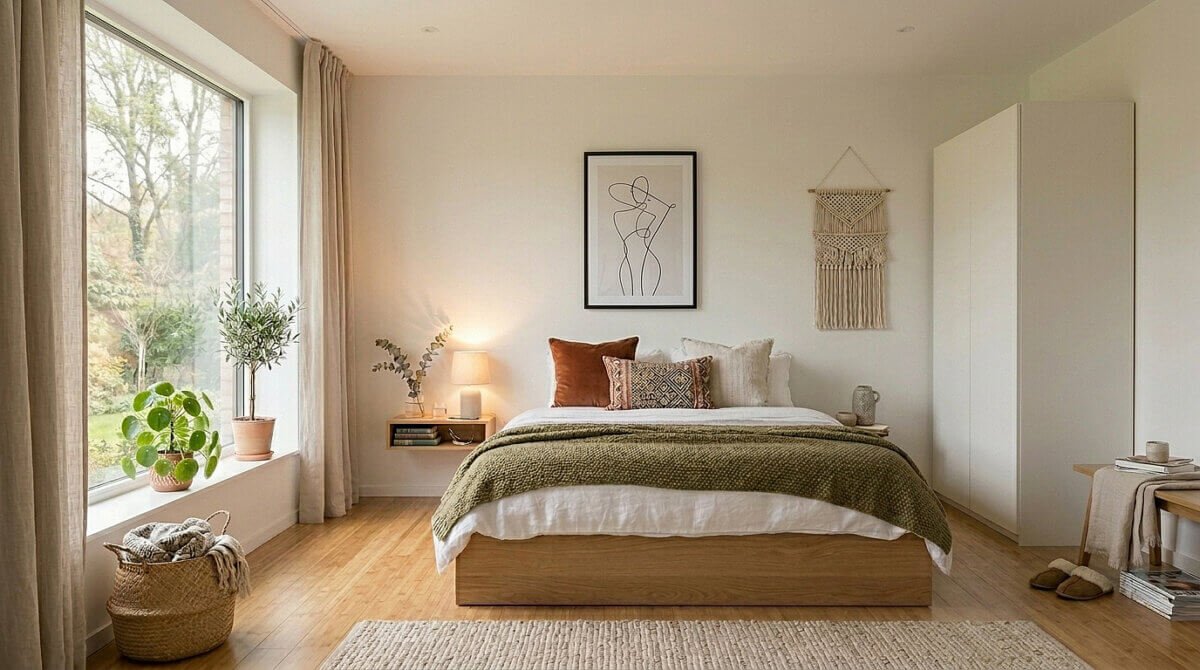
Conventional flooring materials create significant environmental damage across multiple areas. The EPA reports approximately 5 billion pounds of carpet enter US landfills annually. Most carpets use oil-based plastics that could undergo recycling but rarely do, despite capturing 60% of the US flooring market with 19 billion square feet sold yearly.
Traditional hardwood contributes to deforestation, disrupts natural ecosystems, and demands energy-intensive processing. Vinyl flooring presents concerns through PVC production, which releases harmful chemicals and depends on fossil fuels. Synthetic carpet fibre manufacturing requires substantial energy whilst releasing environmental pollutants.
Health benefits for your home
Natural flooring alternatives like bamboo, cork, and oak hardwood undergo minimal chemical processing and remain free from harmful substances.
Cork flooring uses non-toxic adhesives with minimal VOC emissions, with many products tested against over 2,000 potential chemicals.
Hardwood floors resist moisture absorption that causes mould growth, regulating indoor humidity more effectively than carpet. Materials including stone, bamboo, and solid hardwood contribute to LEED credits for low-emitting building materials.
Long-term cost savings
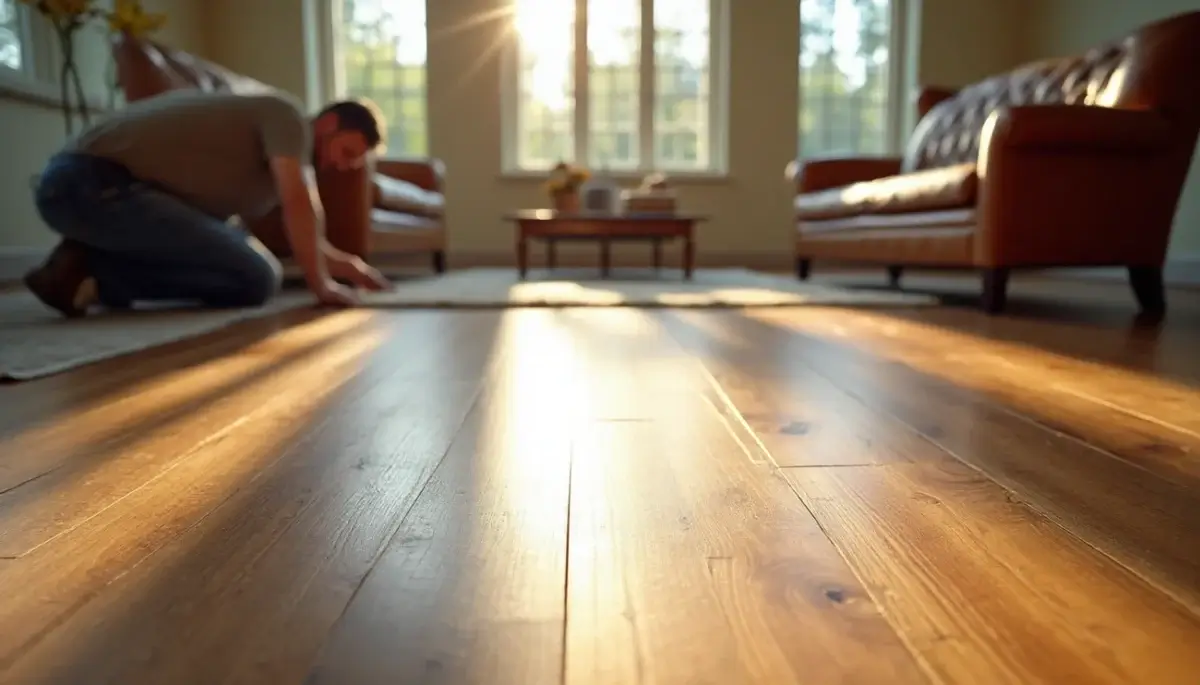
Sustainable materials provide financial advantages alongside environmental benefits. Quality wool carpets last 20-30 years with appropriate maintenance, whilst synthetic alternatives typically survive only 5-10 years.
Cork’s insulating properties maintain consistent indoor temperatures, potentially reducing heating costs and eliminating underfloor heating requirements in some applications. Eco-friendly flooring durability reduces replacement frequency, delivering genuine long-term savings despite higher upfront investment.
Top sustainable flooring materials for UK homes
Each sustainable flooring material offers distinct advantages for different household needs. We’ve evaluated the most effective eco-friendly options available to UK homeowners.
Bamboo Flooring
Bamboo reaches maturity in five to seven years, making it highly renewable compared to hardwood trees that take decades to grow. Strand woven bamboo offers twice the hardness of oak, providing exceptional durability for high-traffic areas. The plant self-regenerates after harvesting, with roots remaining intact to support continuous growth.
This flooring works particularly well in busy family homes where durability matters most.
Cork Flooring
Harvested from cork oak bark every 9-12 years, cork allows trees to live and produce for over 200 years. The material contains up to 98% natural raw materials and provides excellent thermal and acoustic insulation through its honeycomb cellular structure. Cork remains naturally water-repellent due to suberin content.

Cork feels comfortable underfoot, making it suitable for areas where you spend extended periods standing.
Reclaimed Wood Flooring
Salvaged from old buildings, barns, and factories, reclaimed wood reduces demand for newly harvested timber. This flooring proves harder and more durable than new wood due to natural ageing processes. Each plank carries unique character with distinct grain patterns and historical value.
FSC-Certified Hardwood
FSC certification confirms wood originates from responsibly managed forests with controlled felling and replacement procedures. Three label types exist: FSC 100%, FSC Recycled, and FSC Mixed, each indicating different material compositions.
Linoleum Flooring
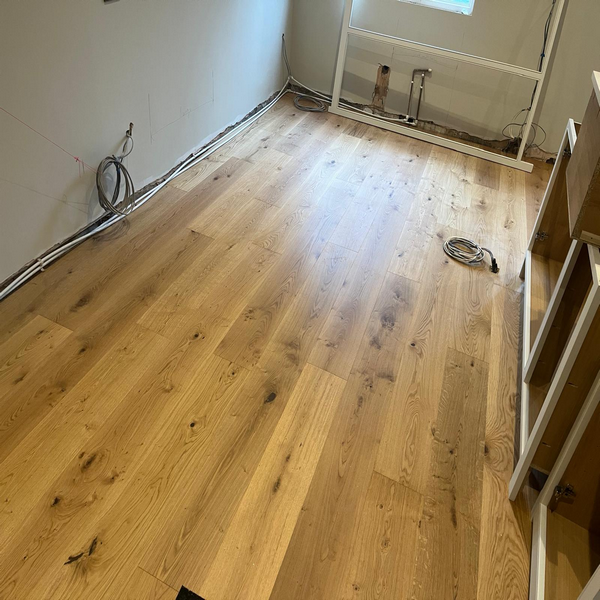
Made from up to 98% natural materials including linseed oil, wood flour, cork, minerals, and jute. Marmoleum remains climate positive from cradle to gate, with photosynthesis absorbing more CO2 than production emissions. Products contain 43% recycled content from installation residues.
Natural Stone Flooring
Natural stone production generates significantly lower CO2 emissions than ceramics, PVC, laminates, or hardwood flooring. The material requires minimal processing and offers exceptional durability lasting generations. Locally sourced stone reduces transportation emissions.
Wool and Natural Fibre Carpets
Wool carpets last decades with proper maintenance whilst resisting stains naturally through lanolin content. The material remains hypoallergenic, resisting dust mites, mould, and mildew. Wool acts as a natural flame retardant and provides excellent sound absorption.
Sisal, Jute and Seagrass
Sisal handles foot traffic well, making it suitable for hallways and stairs, though it requires protection from water. Jute offers the softest texture, ideal for bedrooms but unsuitable for heavy wear areas. Seagrass features a smooth, tight weave with slight water repellence, working well in dining rooms and offices.

Which sustainable flooring works best for each room?
Room function determines the most suitable eco-friendly flooring choice. Moisture levels, foot traffic, and daily use patterns all influence performance and longevity.
Living Rooms and Hallways
Bamboo excels in these spaces due to exceptional durability and minimal maintenance needs. FSC-certified hardwood offers similar longevity, potentially lasting hundreds of years with proper care. Reclaimed wood brings unique character to living areas, whilst wool carpets create warmth and comfort. Hallways need materials rated for constant use – verify durability ratings match your household’s activity levels.
Kitchens and Bathrooms
Moisture resistance takes priority here. Engineered wood handles temperature changes and humidity more effectively than solid alternatives. Linoleum provides antimicrobial properties with water resistance, making it practical for kitchens.
Cork offers comfort during extended cooking periods, though proper sealing prevents moisture damage. Bathrooms benefit from recycled glass tiles that resist water, stains, and mildew. Stone tiles combine durability with natural slip resistance.
Bedrooms
Comfort matters most in sleeping spaces. Wool carpet feels softest underfoot, ideal for bedrooms where you walk barefoot. Cork also suits bedrooms for those preferring hard surfaces. Both materials naturally insulate and absorb sound.
High-Traffic Areas
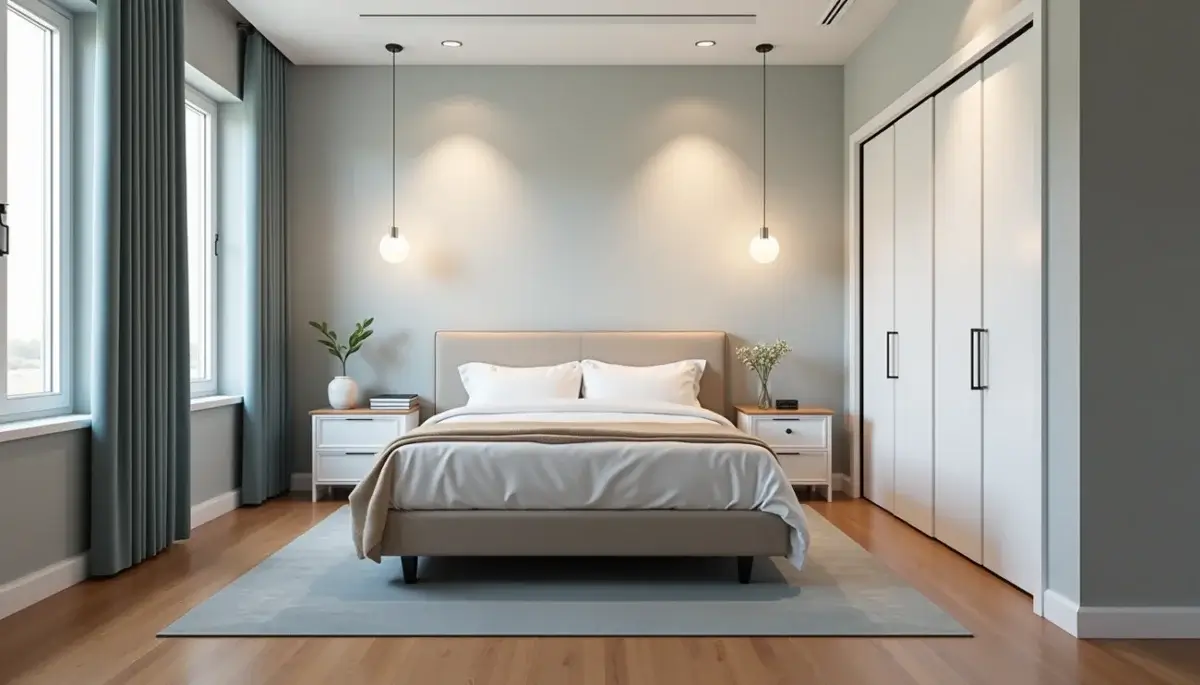
Entrance halls and corridors demand durability over appearance. Bamboo and reclaimed wood withstand heavy foot traffic effectively. Stone flooring delivers exceptional durability with minimal maintenance requirements. Always check wear ratings align with your household’s usage patterns before making final decisions.
Installation, Maintenance and Long-Term Care
Proper installation protects both your investment and indoor air quality. The adhesives you choose directly influence long-term health outcomes in your home.
Choosing Eco-Friendly Adhesives and Underlay
Traditional adhesives release harmful fumes, whilst eco-friendly alternatives create healthier living spaces. Look for low VOC, non-toxic formulations made with plant-based or water-based ingredients.
Solvent-free adhesives using natural rubber and natural resin provide strong bonding without emissions. These products meet German AgBB requirements and French A+ VOC regulations.
Avoid foam underlay products containing formaldehyde. Wool-based options like Multirich remain 100% recycled and recyclable, requiring no glue during manufacture. Needle-punched construction eliminates chemical additives entirely.
Cleaning Your Sustainable Floors
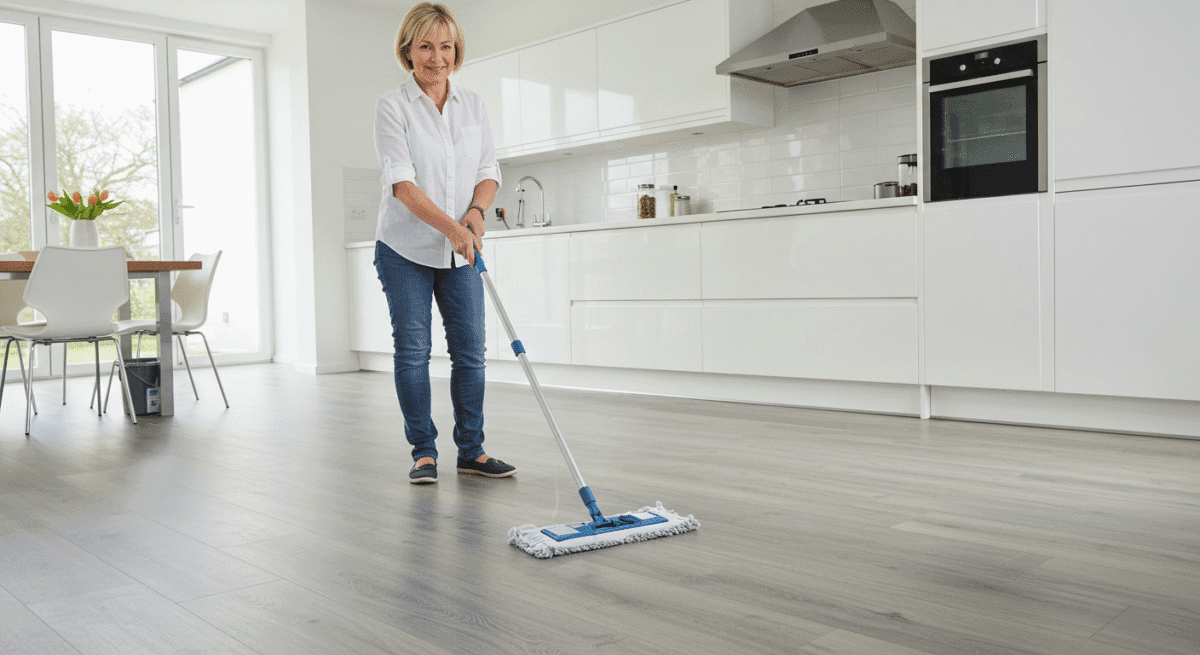
Natural cleaning agents protect surfaces without leaving toxic residues. Mix distilled white vinegar with warm water for ceramic and linoleum surfaces.
However, never use vinegar on natural stone as acids permanently etch calcium carbonate surfaces.
Choose pH-neutral cleaners for stone, sealed hardwood, and laminate instead. Castile soap offers biodegradable cleaning for most surfaces. Microfiber mops prevent scratches whilst reducing water waste.
Extending the Lifespan of Your Flooring
Daily sweeping removes grit that acts like sandpaper on finishes. Maintain humidity between 35-55% to prevent wood expansion or contraction. Wipe spills immediately to avoid moisture damage. Recoat floors every 3-5 years in high-traffic areas before scratches penetrate the wood.
If you’re considering installing sustainable flooring, consult with a qualified installer to ensure materials and adhesives meet environmental standards appropriate for your specific home conditions.
Now read
Sustainable flooring materials provide measurable benefits for both your home and the environment. The options explored in this guide – from bamboo’s five-year regeneration cycle to cork’s natural insulation properties – demonstrate that eco-friendly choices need not compromise on performance or durability.
The investment in sustainable flooring delivers returns through multiple channels: improved indoor air quality from reduced VOC emissions, lower energy costs from better insulation, and extended replacement cycles from superior material durability. These benefits accumulate over decades, making the initial cost difference increasingly worthwhile.
If you’re considering sustainable flooring for your home, start by assessing each room’s specific requirements. Match materials to moisture levels, foot traffic patterns, and comfort preferences. This targeted approach ensures both optimal performance and maximum environmental benefit.
The flooring industry continues developing new sustainable technologies, but the materials covered here represent proven, available solutions for UK homes. Your choice of sustainable flooring contributes to a healthier home environment whilst supporting responsible manufacturing practices that benefit future generations.
Key Takeaways
Discover the essential insights for creating a sustainable home with eco-friendly flooring that benefits both your health and the environment.
• Sustainable flooring materials like bamboo, cork, and reclaimed wood reduce environmental impact whilst improving indoor air quality by eliminating harmful VOCs found in traditional options.
• Bamboo flooring offers twice the hardness of oak and regenerates in just 5-7 years, making it the most renewable and durable option for high-traffic areas.
• Cork flooring provides exceptional insulation properties that can reduce heating costs, whilst lasting over 200 years when harvested sustainably from cork oak trees.
• Match flooring to room function: use moisture-resistant materials like linoleum in kitchens, wool carpets in bedrooms for comfort, and stone or bamboo in high-traffic areas.
• Choose low-VOC adhesives and natural cleaning products to maintain the health benefits of sustainable flooring throughout its extended lifespan.
FAQs
Q1. What makes flooring eco-friendly and sustainable?
Eco-friendly flooring uses natural, low-carbon, or recycled materials that maintain minimal environmental impact throughout their entire lifespan—from sourcing and manufacturing to disposal or recycling.
Sustainable options include renewable materials like bamboo and cork, reclaimed wood, and FSC-certified hardwood that come from responsibly managed forests with minimal chemical processing.
Q2. How does bamboo flooring compare to traditional hardwood in terms of sustainability?
Bamboo is significantly more sustainable than traditional hardwood because it reaches maturity in just 5-7 years compared to hardwood trees that take decades to grow.
The plant self-regenerates after harvesting with roots remaining intact for continuous growth. Additionally, strand woven bamboo offers twice the hardness of oak, providing exceptional durability whilst being highly renewable.
Q3. Is cork flooring suitable for kitchens and bathrooms?
Cork can work in kitchens as it provides comfort during long cooking sessions and has natural water-repellent properties due to its suberin content.
However, it requires proper sealing against moisture to perform well in these areas. For bathrooms specifically, materials like linoleum, recycled glass tiles, or stone tiles may be more practical choices due to their superior moisture resistance.
Q4. How long does sustainable flooring typically last compared to conventional options?
Sustainable flooring generally outlasts conventional alternatives significantly.
Quality wool carpets last 20-30 years with proper care compared to synthetic options that typically last only 5-10 years. Cork oak trees can produce cork for over 200 years, FSC-certified hardwood can span hundreds of years when properly maintained, and reclaimed wood proves harder and more durable than new wood due to natural ageing processes.
Q5. What cleaning products should I use to maintain eco-friendly flooring?
Use natural, pH-neutral cleaning agents to protect sustainable flooring surfaces. Mix distilled white vinegar with warm water for ceramic and linoleum, but never use vinegar on natural stone as it can permanently etch the surface.
Castile soap offers biodegradable cleaning for most surfaces, whilst microfiber mops prevent scratches and reduce water waste. Always choose low-VOC, non-toxic formulations to maintain healthy indoor air quality.