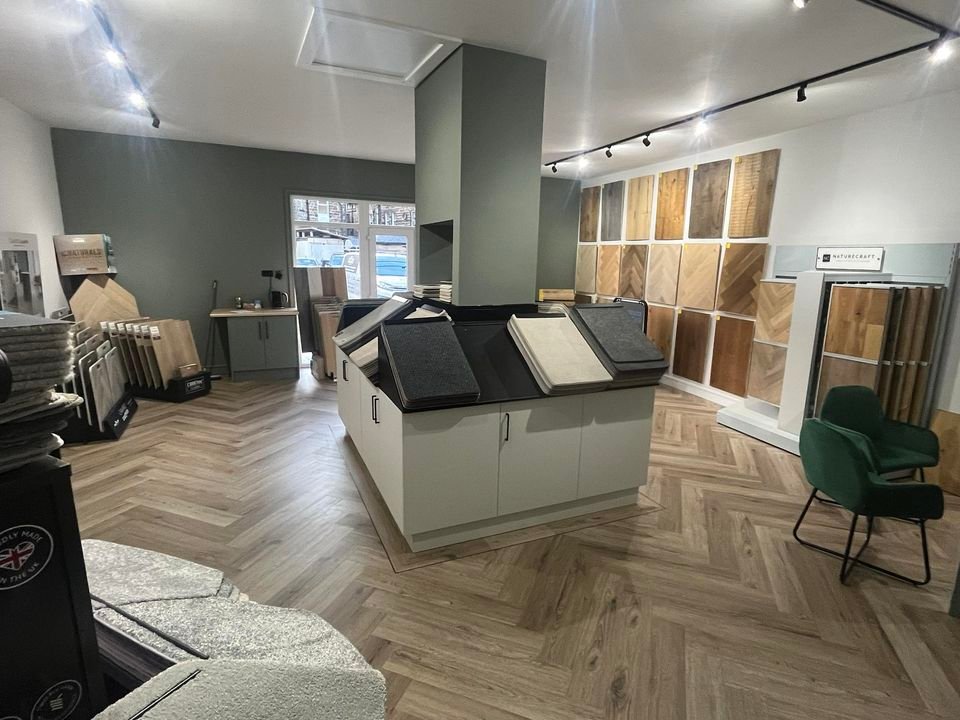
- Resistant to stains and scratches: Vinyl’s protective layer makes it highly resistant to everyday wear and tear.
- Water-resistant: It’s ideal for areas prone to spills or moisture, such as kitchens and bathrooms.
- Long lifespan: With proper care, vinyl flooring can last for many years.

vinyl flooring
- Wide range of styles: Vinyl comes in a vast array of colors, patterns, and textures to suit various design preferences.
- Realistic imitations: It can mimic the appearance of natural materials like wood, stone, and tile.
- Easy to clean and maintain: Vinyl flooring is low-maintenance and requires minimal cleaning.
- Soft underfoot: Vinyl provides a comfortable and warm walking surface compared to harder materials like tile or concrete.
- Insulating properties: It can help to improve energy efficiency by reducing heat loss.
- Affordable: Vinyl flooring is generally more affordable than natural materials like hardwood or stone.
- Easy installation: It can be installed relatively quickly and easily, reducing labor costs.
Vinyl Flooring: Practical Solutions for Your Home
What is the difference between Sheet Vinyl and LVT?
“Sheet vinyl comes in large, flexible rolls (usually 2m, 3m, or 4m wide) and is installed as a single seamless piece. LVT (Luxury Vinyl Tile) comes in individual planks or tiles. Sheet vinyl is generally more budget-friendly and offers a seamless finish that is excellent for water resistance in bathrooms.”
Is vinyl flooring slip-resistant?
“Yes, most modern sheet vinyls come with an R10 slip-resistance rating. This makes them a very safe choice for areas prone to splashes, such as bathrooms, ensuites, and kitchens.”
Does vinyl flooring require an underlay?
“Most sheet vinyl floors have a built-in ‘cushioned’ backing, so they do not require a separate underlay. However, the subfloor must be incredibly smooth (often achieved by installing plywood or a smoothing compound) to prevent any imperfections from showing through the vinyl.”
Can I use bleach to clean vinyl flooring?
“While vinyl is very durable, we recommend using a mild, pH-neutral floor cleaner rather than harsh bleach. This protects the wear layer and keeps the colors vibrant for years to come.”