Table of Contents
Modern carpet trends
Carpeting is experiencing a notable resurgence in 2026, with increased sales despite earlier economic uncertainties. Homeowners are shifting away from the hard surfaces that have dominated interior design in recent years, seeking warmer and more comfortable flooring alternatives.
Designers across the UK report growing interest in softer flooring options as carpet colours evolve to reflect changing preferences. Industry experts describe 2026 as “the year of the earth,” with popular carpet colours featuring soft clay, terracotta blush, and sandstone beige leading current trends. Warm tones including honey, caramel, and chestnut are gaining particular traction in home design circles.
Natural materials have seen increased demand as homeowners prioritise texture and sustainability. Wool, sisal, and jute have become sought-after choices for those wanting to incorporate eco-friendly elements into their interiors. This shift represents a return to naturally sustainable wool carpeting, bringing environmentally conscious options back to prominence for 2026.
Colour is making its presence felt in the broadloom sector, with designs ranging from subtle deep colour accents to bold, statement formats. Alongside this, subtle textures and tone-on-tone patterns are establishing themselves as design staples for those seeking elegant yet understated flooring solutions.
The Eclipse collection at Tapi exemplifies this carpet renaissance, proving so popular that installations could theoretically carpet Hyde Park in its entirety—equivalent to 270 football pitches.
Herringbone and Chevron Carpets
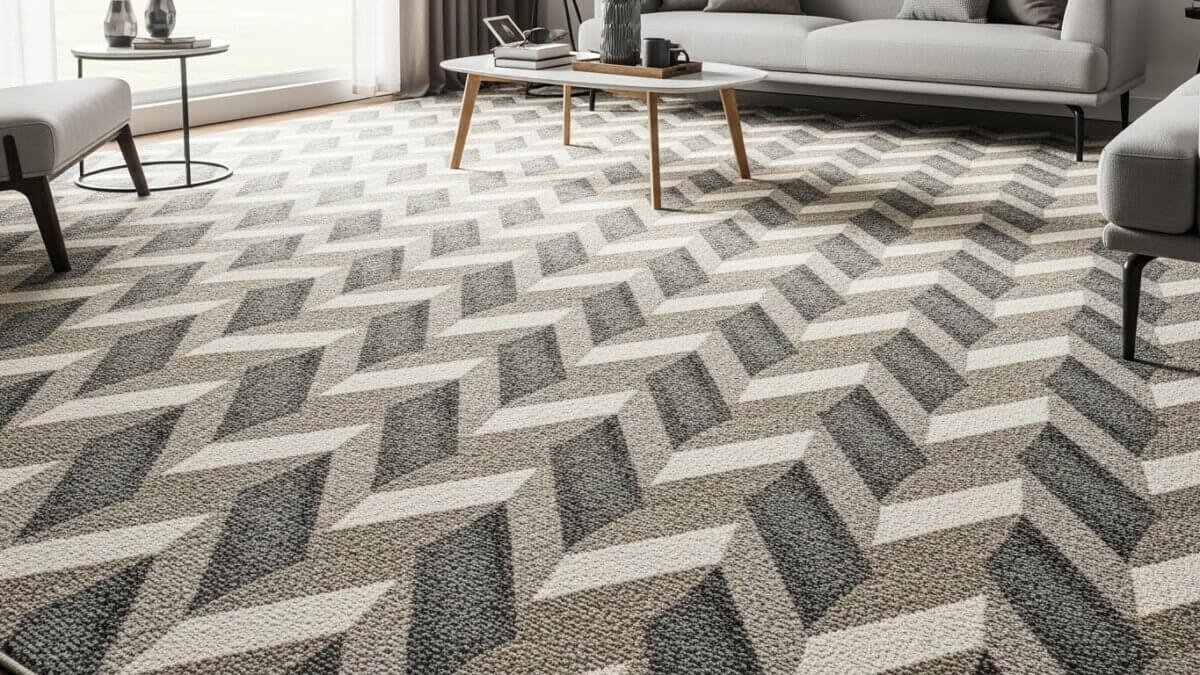
Contemporary design embraces the return of herringbone and chevron carpet patterns, bringing timeless elegance to modern interiors. Although frequently mistaken for one another, these patterns offer distinct characteristics that serve different design purposes. Herringbone features rectangular sections arranged in an alternating zigzag formation, whilst chevron creates continuous V-shapes where diagonal-cut pieces meet at precise angles.
Key features of Herringbone and Chevron Carpets
Ancient civilizations, particularly Rome and Egypt, first developed herringbone patterns that resembled fish bone structures. The zigzag weave produces a tightly organised design that immediately captures visual attention. Natural materials, especially wool and sisal, form the foundation of these carpets, delivering both durability and aesthetic appeal. The structured herringbone pattern generates an illusion of movement across floors, making spaces feel larger and more dynamic.
Chevron carpets differ through their continuous V-shaped construction, where pieces align at exact 45-degree angles. This arrangement creates bolder definition compared to herringbone’s overlapping effects. Both styles accommodate various colour schemes, though they excel particularly in neutral ranges including creams, light browns, and refined greys.
Design benefits of Herringbone and Chevron Carpets
These intricate patterns introduce instant sophistication without overwhelming existing décor. A significant practical advantage lies in their ability to disguise footprints and daily wear, making them especially suitable for active households. They maintain fresh appearances longer than simpler carpet styles whilst adding depth and texture that complements rather than competes with other design elements.
Best rooms for Herringbone and Chevron Carpets
High-traffic areas showcase these carpets’ durability most effectively. Consider them for:
- Hallways and entrance areas (creating welcoming movement patterns)
- Staircases (providing both grip and visual appeal)
- Living spaces (establishing sophisticated foundations)
- Dining areas (concealing spills and debris through textural variation)
The directional nature of these patterns works particularly well in narrow corridors, where they visually expand cramped spaces.
Styling tips for Herringbone and Chevron Carpets
If you’re considering herringbone or chevron carpets, pay attention to pattern direction for maximum impact. Generally, align patterns with your room’s longest wall, positioning chevron points toward primary windows to enhance natural light distribution. Lighter colours in herringbone designs can make smaller areas appear more spacious.
Solid-coloured borders complement herringbone carpets better than competing patterns. Pair these floors with streamlined furniture, allowing the pattern to become a subtle focal point, or incorporate them into Scandinavian-style interiors where natural textures are celebrated.
Velvet and Saxony Plush Carpets
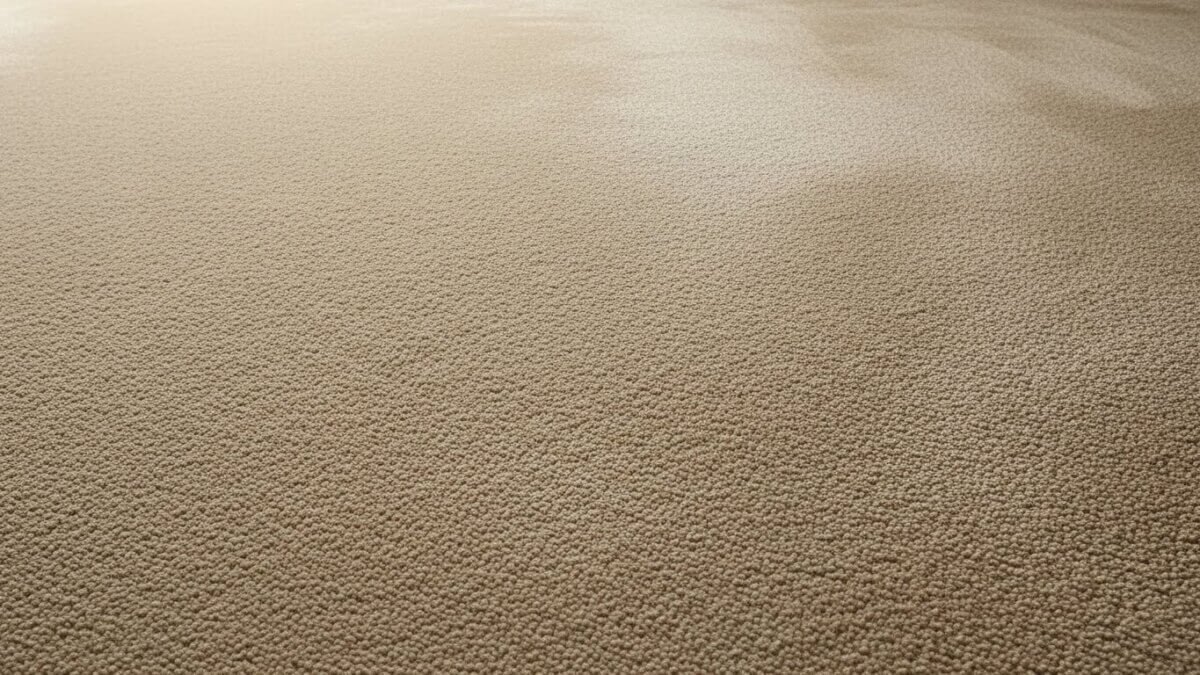
Underfoot luxury characterises the renewed interest in velvet and saxony plush carpets, with homeowners increasingly drawn to their cocooning qualities and tactile appeal. This revival reflects a broader desire for comfort and warmth in living spaces, particularly as energy costs continue rising.
Key features of Velvet and Saxony Plush Carpets
Saxony carpets feature cut-pile construction with tightly twisted fibres that stand upright, creating remarkably dense texture underfoot. The construction varies between two primary types:
- Straight saxony (or velvet saxony) – fibres align in the same direction, producing uniform appearance with distinctive velvety texture. However, this style shows vacuum lines and footprints more readily.
- Textured saxony – fibres twist in different directions, reflecting light at various angles whilst helping disguise marks and footprints.
The fibres are cut at the top and separated to achieve cloud-like softness that remains unmatched in other carpet styles. High-quality saxony carpets typically feature wool or nylon fibres, with pile heights measuring approximately half an inch or less.
Design benefits of Velvet and Saxony Plush Carpets
These carpets deliver immediate elegance and sophistication to interior spaces. They provide instant luxury whilst creating timeless aesthetics that transcend fleeting design trends. The plush texture offers excellent insulation properties, maintaining warmer rooms during colder months and potentially reducing heating costs.
Moreover, these carpets deliver superior sound absorption, establishing quieter, more peaceful environments. This acoustic benefit proves especially valuable in contemporary open-plan homes where noise travels easily between spaces.
Best rooms for Velvet and Saxony Plush Carpets
These luxurious carpets excel in spaces prioritising comfort:
- Bedrooms – where soft texture provides pleasant underfoot sensation each morning
- Living rooms – particularly formal areas or spaces designed for relaxation
- Home offices – adding sophistication whilst improving acoustics
- Dining rooms – creating refined atmosphere for entertaining
They prove less suitable for high-traffic areas such as hallways or staircases, where deep pile may flatten with constant use.
Styling tips for Velvet and Saxony Plush Carpets
Consider rich jewel tones that add depth and character to modern interiors. Alternatively, neutral saxony carpets in cream, beige, or grey provide adaptable foundations for evolving décor schemes.
The deep pile creates intriguing light play across surfaces, making solid colours appear more dimensional than flat alternatives. When positioning furniture, remember that heavy pieces create indentations – rotate them periodically to maintain carpet appearance.
Regular vacuuming proves essential for preserving luxurious texture – aim for weekly maintenance to prevent fibres becoming compressed and losing their distinctive plush quality.
Carpets in Vibrant Colours
Bold colours are experiencing a remarkable comeback in carpet design for 2026, with interior designers embracing vibrant hues to create statement floors rather than neutral backgrounds. This represents a significant shift from the beige-dominated carpets of the early 2000s, as homeowners seek to express personality through every element of their homes.
Key features of Carpets in Vibrant Colours
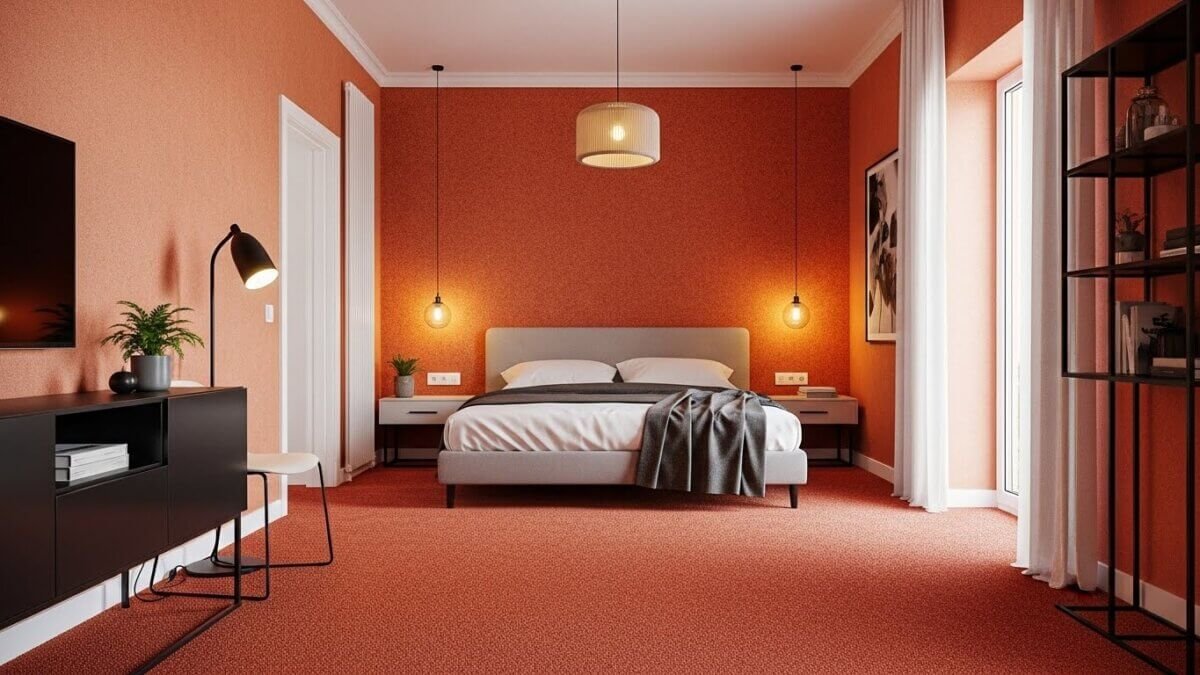
Vibrant carpets encompass deep jewel tones including emerald, amethyst, and sapphire, alongside warm earth-inspired colours such as sienna, terracotta, and umber. These carpets typically feature solid, saturated colours that deliver strong visual impact without complex patterning. Construction varies from plush piles that emphasise colour depth to practical loop piles that maintain vibrancy whilst offering durability. Magenta, deep blues, and ochres have emerged as versatile options that add sophistication without overwhelming spaces.
Design benefits of Carpets in Vibrant Colours
The primary benefit of colourful carpets lies in their ability to transform room mood and energy instantly. Bright colours stimulate visual interest and activate brain areas linked to emotional wellbeing. Vibrant patterned carpets effectively conceal everyday wear and tear more efficiently than single-colour alternatives. They create excellent foundations for design schemes, allowing you to build room aesthetics from the floor upwards.
Best rooms for Carpets in Vibrant Colours
Whilst suitable for most rooms, vibrant carpets perform exceptionally well in:
- Living rooms and lounges – creating focal points that anchor furniture arrangements
- Children’s bedrooms and playrooms – where their energy matches the room’s purpose
- Home offices – where colours like orange and red may stimulate creativity and productivity
- Staircases and hallways – highlighting architectural features whilst concealing traffic marks
Styling tips for Carpets in Vibrant Colours
Balance remains crucial when incorporating vibrant carpets. If your carpet features bold colours, keep walls, large furniture pieces and curtains in neutral tones to prevent visual competition. Consider selecting 2-3 colours from the carpet and repeating them in accessories throughout the room for cohesion.
For smaller spaces, vibrant carpets can become the main decorative feature—allowing other elements to remain simpler. Pairing metallic accents with colourful carpets adds sophistication; gold tones complement warm carpet colours, whilst silver or chrome works beautifully with cooler hues.
The most successful vibrant carpet installations follow intentional design principles—whether creating contrast or cohesion, ensuring each element has clear purpose results in spaces that feel curated rather than overwhelming.
Berber and Loop Pile Carpets
Practical durability defines the appeal of Berber and loop pile carpets for 2026, with busy families increasingly choosing these hardwearing options for high-traffic areas. Named after North African Berber weaving traditions, these carpets have developed into modern flooring solutions that balance resilience with aesthetic appeal.
Key features of Berber and Loop Pile Carpets
Berber carpets use a distinctive looped construction where fibres create continuous loops attached to the carpet backing, rather than the cut pile found in other styles. This construction produces their characteristic speckled appearance, typically featuring darker colour flecks scattered across lighter backgrounds. Three main material options provide different advantages:
- Nylon Berber: Excellent stain resistance with superior durability
- Wool Berber: Natural resilience paired with luxurious texture
- Olefin (Polypropylene): Cost-effective option with moisture resistance
The densely packed fibres create a firm underfoot feel whilst extending carpet lifespan. Lower loop heights generally indicate enhanced durability, making these carpets particularly suitable for areas with heavy foot traffic.
Design benefits of Berber and Loop Pile Carpets
Loop pile carpets excel at concealing footprints and vacuum marks, maintaining their appearance longer between cleanings. The construction allows spills to sit on the surface initially rather than immediately penetrating, providing extra time for cleanup. The textured surface adds visual interest without competing with other room elements.
Best rooms for Berber and Loop Pile Carpets
These carpets suit areas where durability matters most:
- Living rooms with constant family use
- Hallways and staircases requiring maximum wear resistance
- Home offices where chair wheels move frequently
- Rental properties needing long-term flooring solutions
Important note: Households with cats should consider alternatives, as claws can potentially snag the loop construction.
Styling tips for Berber and Loop Pile Carpets
Neutral flecked Berber designs complement minimalist and Scandinavian interiors effectively. For modern farmhouse styles, heathered greys or warm taupe tones create welcoming foundations. The low profile suits open-plan spaces, allowing smooth furniture transitions between areas.
Mid-tone colours typically hide everyday soil more effectively than very light or dark alternatives. These textured carpets pair particularly well with natural materials like wood and stone, enhancing the organic feel of contemporary interiors.
Tone-on-Tone Textured Carpets
Understated elegance defines the tone-on-tone textured carpet trend for 2026, as designers embrace multiple shades within the same colour family to create depth without visual competition. This approach builds layers of texture whilst maintaining harmony—a particularly valuable technique for open-plan living spaces.
Key features of Tone-on-Tone Textured Carpets
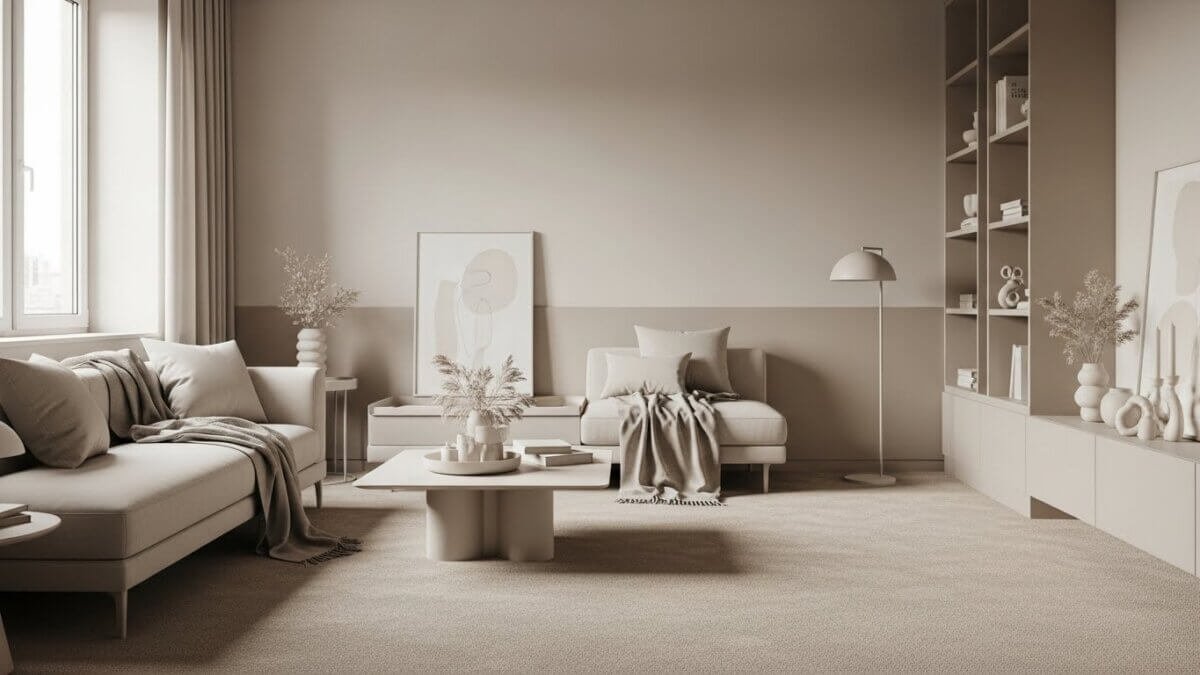
These carpets utilise varying shades and tints from light to dark within a single colour palette, creating subtle pattern variations through construction rather than contrasting colours. Texture emerges from four primary elements: pile type (loop, cut, or combination constructions), pile height variations, fibre density, and yarn material selection. Plush, high-pile carpets in warm shades have gained particular popularity in 2026, creating comfortable retreats within busy homes.
Different weaves and constructions produce distinct textural effects. Twist piles offer flatter textures with subtle light reflection, whilst loop constructions create gentle shapes and movement across the surface. Natural woven fibres provide the most pronounced textural approach, with cut and loop combinations introducing dynamic interplay between light and shadow that changes throughout the day.
Design benefits of Tone-on-Tone Textured Carpets
The principal advantage lies in achieving visual interest whilst maintaining colour harmony. This technique establishes spaces that feel both calm and engaging—texture provides the visual stimulation that single-tone surfaces often lack. The understated sophistication adds depth without demanding attention, creating tranquil environments that support relaxation and concentration.
Texture proves essential for preventing large single-colour areas from appearing flat or sterile. Micro-shadows and subtle variations maintain visual interest through tactile qualities and light reflection, even within completely neutral colour schemes.
Best rooms for Tone-on-Tone Textured Carpets
These carpets excel in areas requiring both sophistication and comfort:
- Living rooms where subtle complexity anchors furniture groupings
- Bedrooms requiring cosy, restful environments
- Home offices needing warmth without visual distraction
- Open-plan areas where zoning requires cohesion rather than contrast
Styling tips for Tone-on-Tone Textured Carpets
Grey has established itself alongside beige and cream as a sophisticated neutral, offering multiple undertones and shade variations. When using tone-on-tone carpets, pair them with neutral walls to allow furnishings and personal objects to provide colour interest rather than competing with complex floor patterns.
Layering accent colours through accessories works particularly well—soft metallic elements in silver, gold, or copper create sophisticated highlights against textured neutral foundations. Alternatively, maintain completely neutral palettes and rely entirely on texture for visual interest, an approach that suits both traditional and contemporary interiors equally well.
Wall-to-Wall Jute and Sisal Carpets
Natural fibres are gaining prominence in 2026 carpet trends, with wall-to-wall jute and sisal installations becoming increasingly popular among homeowners seeking textural interest alongside environmental benefits.
Key features of Wall-to-Wall Jute and Sisal Carpets
Jute carpets originate from fast-growing plants cultivated primarily in India and Bangladesh. The fibres possess a soft, flexible quality with naturally silky texture and golden-brown colouring. Sisal carpets derive from agave plant fibres, offering greater strength and durability with a coarser feel underfoot.
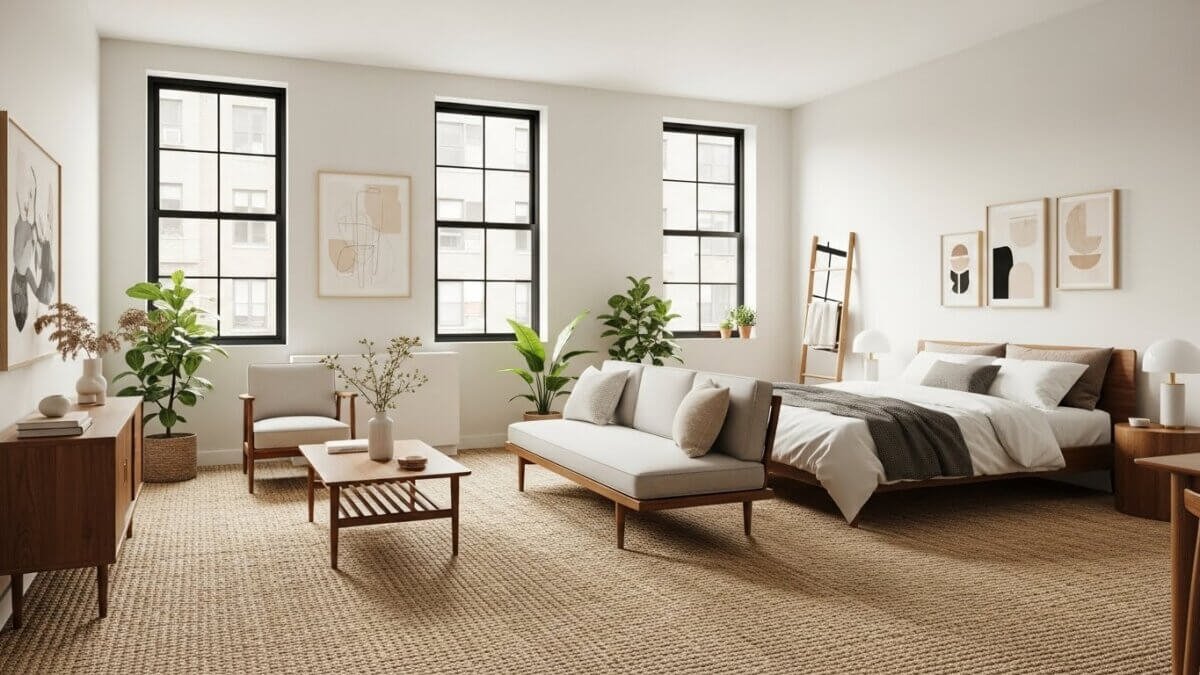
Both materials share renewable and biodegradable properties, yet their characteristics differ considerably. Jute provides comfort through its softer constitution, whilst sisal delivers superior resilience through its tougher fibres. Wall-to-wall installation maximises these natural qualities, creating seamless coverage that offers noise reduction and thermal insulation benefits.
Design benefits of Wall-to-Wall Jute and Sisal Carpets
These natural carpets introduce organic texture that enhances neutral interiors without competing with other design elements. Interior designers frequently describe natural fibre carpets as ‘living’ materials because they develop character over time, softening with use and acquiring a unique patina that synthetic alternatives cannot replicate.
The versatility of these materials allows them to complement diverse interior styles, from period properties to contemporary minimalist spaces. Their natural variations in colour and texture provide visual interest whilst maintaining neutral foundations.
Best rooms for Wall-to-Wall Jute and Sisal Carpets
Each fibre suits different applications based on its properties:
- Jute applications: Bedrooms, living areas, and studies where comfort takes priority over heavy wear
- Sisal applications: Hallways, staircases, and entrance areas requiring maximum durability
- Both fibres: Dining rooms, reception spaces, and home offices needing natural elegance
Neither material suits moisture-prone environments such as kitchens or bathrooms.
Jute and Sisal Carpets
Natural fibre carpets function exceptionally well as neutral foundations, complementing virtually any decorative scheme. For coastal themes, pair with white and soft blue furnishings. In minimalist interiors, they add warmth without overpowering clean lines.
Consider layering approaches where patterned rugs placed over natural carpet create visual focal points whilst preserving the underlying texture’s benefits. Regular maintenance involves vacuuming with suction-only attachments, plus periodic furniture rotation to ensure even wear patterns.
Rich colour palettes define one of 2026’s most striking carpet trends, with jewel and nature-inspired tones gaining attention for their ability to create both visual impact and emotional response. Interior designers are increasingly drawn to these deeper hues as alternatives to traditional neutrals.
Key features of Carpets in Jewel and Nature-Inspired Tones
Jewel-toned carpets take their cues from precious stones, featuring emerald green, sapphire blue, deep ruby red, and regal amethyst purple. These saturated colours transform floors from background elements into statement pieces that command attention. Nature-inspired designs, meanwhile, incorporate earthy textures and organic patterns that echo the natural world. Common motifs include bark-inspired surfaces, cloud formations, and water-like ripples.
The 2026 colour palette encompasses vibrant terracotta, lustrous sapphire blue, greens ranging from mint to emerald, alongside lavender, duck egg blue, teal, saffron, scarlet, peach fuzz, and ocean mist coral. These collections balance bold visual impact with subtle sophistication.
Design benefits of Carpets in Jewel and Nature-Inspired Tones
Jewel tones offer notable psychological benefits, inspiring confidence and vitality whilst maintaining an air of refinement. They energise spaces without sacrificing elegance. Nature-inspired carpets create different effects, fostering warmth and tranquillity that many homeowners find appealing.
Both approaches provide design flexibility. Jewel tones complement neutrals, metallics, and natural wood, creating contrast that highlights room features. Earth-toned carpets serve as grounding elements, bringing cohesion to diverse interior schemes.
Best rooms for Carpets in Jewel and Nature-Inspired Tones
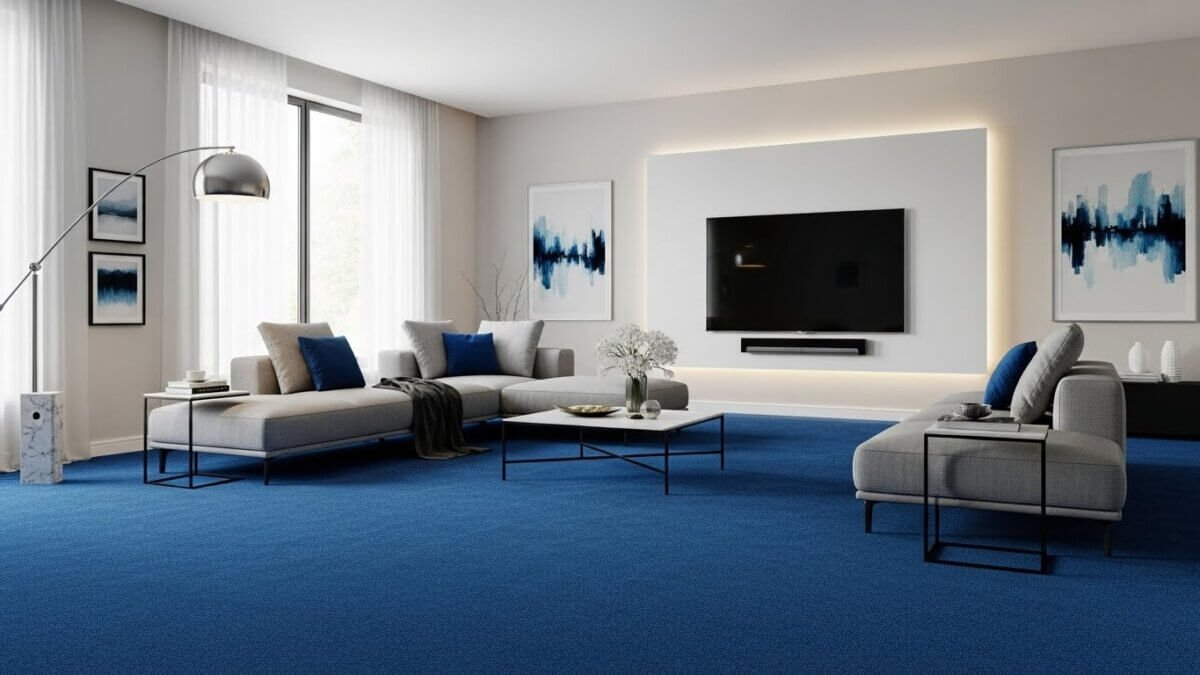
Darker jewel tones like emerald and sapphire prove practical for everyday use, offering both elegance and stain resistance. Consider these applications:
- Living rooms benefit from sapphire carpets that provide sophisticated foundations
- Bedrooms gain energy from ruby-toned options
- Formal sitting rooms suit jewel tones from collections like Ultimate Twist
- Dining and entertaining areas gain distinction from these rich colours
Styling tips for Carpets in Jewel and Nature-Inspired Tones
Pairing jewel-toned carpets with cream walls and neutral furniture allows the flooring to serve as the room’s focal point. Nature-inspired designs work particularly well alongside indoor plants and wooden elements, completing an organic aesthetic.
Multiple jewel tones can work together successfully—sapphire combined with amethyst or ruby paired with emerald creates sophisticated depth. Layering techniques, such as placing patterned rugs over neutral bases, add visual interest whilst maintaining colour balance. For nature-inspired designs, stone accents and warm lighting enhance the organic appeal.
Wool Carpets
Environmental considerations drive much of the renewed interest in wool carpets for 2026, with these natural floor coverings offering both luxury and ecological benefits. Wool represents one of the most naturally sustainable flooring materials available, combining traditional craftsmanship with modern environmental consciousness.
Key features of Sustainable Wool Carpets
Wool carpets offer complete renewability and biodegradability, with wool fibres naturally regenerating through regular sheep shearing. This creates a fully sustainable cycle that eventually returns nutrients to soil through proper disposal. The natural lanolin present in wool fibres provides inherent stain resistance, while the fibre structure itself contributes to exceptional durability.
Wool’s air-purifying qualities function as a natural filter, trapping airborne dust, pollen, and allergens that would otherwise circulate throughout your home. This property makes wool particularly valuable for households concerned with indoor air quality.
Design benefits of Sustainable Wool Carpets

The practical advantages of wool carpets extend beyond their environmental credentials. Natural thermal regulation helps maintain comfortable indoor temperatures year-round—keeping spaces cooler during summer months and warmer in winter. With appropriate underlay, this can potentially reduce energy bills by 8-13%.
Wool also provides excellent sound absorption, creating quieter and more peaceful indoor environments. Unlike synthetic alternatives that may release volatile organic compounds, wool actively absorbs harmful chemicals from the air and neutralises them.
Best rooms for Sustainable Wool Carpets
The hypoallergenic nature of wool makes these carpets particularly suitable for:
- Bedrooms and living spaces where you spend considerable time
- Children’s rooms, benefiting from wool’s natural fire resistance
- Home offices requiring acoustic improvement
- Family areas where air quality considerations matter most
Styling tips for Sustainable Wool Carpets
Contemporary wool carpets offer remarkable design flexibility. Undyed wool in natural cream and beige tones showcases the fibre’s inherent beauty while complementing minimalist interiors. Wool carpets develop a distinctive patina over time that synthetic options cannot match.
The rich texture works equally well with contemporary minimalist furniture and traditional pieces, creating foundations that adapt to changing design preferences without requiring replacement. This longevity aligns with sustainable design principles whilst maintaining aesthetic appeal.
Recycled Synthetic Fibre Carpets
Innovation in sustainable manufacturing has positioned recycled synthetic fibre carpets as compelling options for environmentally conscious homeowners in 2026. These floor coverings demonstrate how modern technology can address sustainability concerns whilst maintaining the performance characteristics expected in contemporary homes.
Key features of Recycled Synthetic Fibre Carpets
Manufactured from reclaimed materials, these carpets transform waste products including plastic bottles, ocean debris, and discarded carpets into functional flooring solutions. The Sedna range exemplifies this approach, converting fishing nets retrieved from ocean depths into luxury floor coverings. Recycled PET polyester and regenerated nylon (ECONYL) form the basis of many designs, creating surfaces with notable resilience characteristics.
These synthetic alternatives typically offer enhanced stain resistance and water-repellent properties compared to natural fibres. However, it’s worth noting that performance can vary significantly between manufacturers, and the long-term durability of some recycled materials requires further evaluation through extended use studies.
Design benefits of Recycled Synthetic Fibre Carpets
Evidence suggests recycled synthetic carpets have gained acceptance for replicating wool’s tactile qualities whilst providing eco-friendly credentials. Some formulations incorporate up to 37% plant-based materials, reducing dependency on petroleum-based components. The range extends from plush textures to sisal-inspired designs, offering flexibility for different interior schemes.
Research indicates these carpets often maintain their appearance more effectively than traditional options in high-use environments. Nevertheless, the aesthetic longevity depends considerably on the specific recycling processes and quality of source materials used in manufacturing.
Best rooms for Recycled Synthetic Fibre Carpets
Given their moisture resistance and durability characteristics, recycled synthetic carpets perform well in:
- Family rooms where spill resistance matters
- Hallways requiring robust wear properties
- Entertainment spaces including home cinemas
- Humid environments where mildew resistance provides advantages
If you’re considering recycled carpets for your home, assess the specific performance claims against your household’s requirements, as properties can vary between different recycled material sources.
Styling tips for Recycled Synthetic Fibre Carpets
Pair these contemporary carpets with furniture that reflects environmental values—reclaimed wood pieces or sustainably sourced materials create coherent design narratives. Neutral tones work particularly well in larger spaces, allowing flexibility for accent colours through accessories and soft furnishings.
For smaller rooms, bolder colours in recycled carpets can become focal points without overwhelming the space. Consider combining with LED lighting and other energy-efficient elements to reinforce the environmental theme throughout your interior design approach.
Custom-Bound Carpets for Unique Spaces
Bespoke flooring solutions are gaining traction in 2026, with custom-bound carpets offering tailored alternatives to standard sizes. These carpets transform ordinary broadloom into personalised floor coverings by cutting to precise measurements and finishing edges with protective bindings that prevent fraying whilst adding decorative appeal.
Key features of Custom-Bound Carpets for Unique Spaces
Custom binding involves finishing carpet edges with protective materials that extend durability while enhancing visual appeal. The most popular binding options include:
- Narrow Cotton Binding – subtle, low-profile finish using cotton or polyester materials
- Wide Cotton Binding – statement borders measuring 3″ to 5″ wide
- Serging Yarn – continuous yarn application creating handcrafted appearance
- Leather Binding – premium finish offering luxurious aesthetic
Design benefits of Custom-Bound Carpets for Unique Spaces
Custom binding creates statement pieces that fit perfectly within specific room dimensions. This approach ensures appropriate scale for cohesive interior design whilst providing essential protection against edge unravelling. The binding becomes a design feature itself, allowing colour coordination with existing room elements.
Best rooms for Custom-Bound Carpets for Unique Spaces
These bespoke carpets work particularly well in:
- Children’s bedrooms where durable edges matter most
- Uniquely shaped rooms with non-standard dimensions
- Open-concept areas requiring defined zones
- Guest rooms where customised comfort adds appeal
Styling tips for Custom-Bound Carpets for Unique Spaces
Consider contrast bindings to highlight specific architectural features. Wide borders create casual, defined appearances whilst narrow bindings maintain subtlety. Metallic accent bindings have gained popularity throughout 2026, adding sophisticated details to otherwise simple carpet designs.
Striped Carpets with Modern Twists

Classic patterns gain contemporary relevance through striped carpets that continue evolving for 2026, demonstrating how traditional designs can adapt whilst retaining their fundamental appeal.
Key features of Striped Carpets with Modern Twists
Contemporary striped carpets span from delicate pinstripes to bold statement bands. Many current designs combine thin and thick stripes for youthful finishes that work beautifully in period settings. Innovation extends beyond traditional straight lines, with herringbone-patterned stripes creating subtler, textured effects. These versatile floor coverings primarily feature wool for durability and soft texture, whilst synthetic alternatives offer exceptional stain resistance.
Design benefits of Striped Carpets with Modern Twists
What initially appears decorative actually serves important spatial functions. Vertical stripes running away from you create depth and effectively elongate spaces, whereas horizontal stripes make rooms appear wider. Stripes naturally draw the eye, making them excellent for highlighting architectural features. Their varied colours help disguise marks and dirt that accumulate over time.
Best rooms for Striped Carpets with Modern Twists
Staircases represent ideal starting points for first-time stripers, serving as impressive focal points. Hallways benefit tremendously as stripes break up simple designs while making spaces look bigger. Living rooms gain instant character, with stripes anchoring furniture arrangements effectively.
Styling tips for Striped Carpets with Modern Twists
Scale requires careful consideration—choose thicker, bolder stripes in larger rooms and delicate stripes in smaller spaces to prevent overwhelming effects. For colour schemes, deep green paired with bannister accents creates sophisticated harmony. Currently, mixing stripes with different patterns such as botanical prints or herringbone produces striking visual impact when done thoughtfully.
Carpet Selection Guide
What carpet trend suits your specific needs? We’ve organised the key information to help you choose the right flooring option for your home.
High-Traffic Areas
For busy family spaces requiring durability:
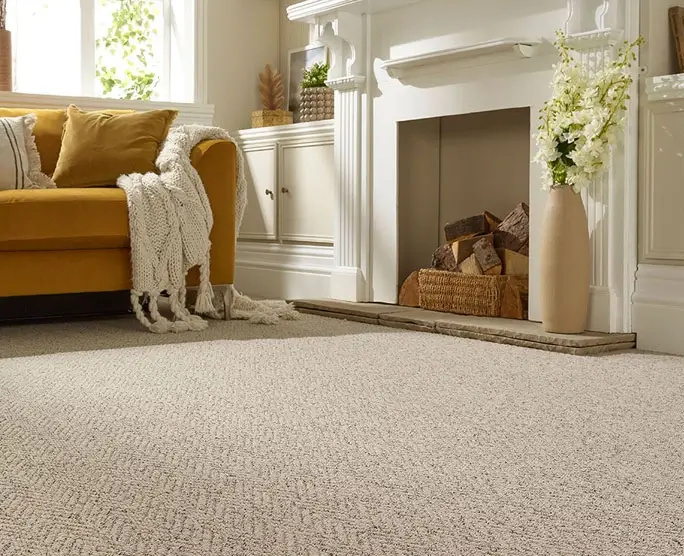
- Herringbone and Chevron: Natural materials hide footprints effectively, with patterns following your longest wall for maximum impact
- Berber and Loop Pile: Spill-resistant construction using nylon or wool, with mid-tones concealing everyday soil
- Striped Modern: Creates spatial illusions whilst disguising marks, with stripe scale matched to room dimensions
Comfort-Focused Spaces
For bedrooms and relaxation areas prioritising softness:
- Velvet and Saxony Plush: Superior sound absorption with wool or nylon construction, requiring periodic furniture rotation
- Sustainable Wool: Natural air purification and temperature regulation, particularly effective in children’s rooms
- Tone-on-Tone Textured: Creates depth whilst maintaining harmony, best paired with neutral walls
Statement-Making Options
For homeowners wanting floors as focal points:
- Vibrant Colours: Transforms room mood with saturated solid colours, requiring neutral walls and furniture
- Jewel/Nature-Inspired: Creates energy and refinement, working beautifully when paired with cream walls
- Custom-Bound: Perfect fit for unique dimensions with decorative edge bindings offering contrast details
Eco-Conscious Choices
For environmentally aware households:
- Wall-to-Wall Jute/Sisal: Natural fibres developing unique patina, avoiding moisture-prone areas
- Recycled Synthetic: Superior stain resistance from reclaimed materials, pairing well with minimalist furniture
- Sustainable Wool: Completely renewable with natural fire resistance properties
If you’re considering carpet installation, speak to a flooring professional to ensure the option you choose suits your specific requirements and room conditions.
Conclusion
Carpet trends for 2026 demonstrate a clear shift towards warmer, more comfortable flooring options following years of hard surface dominance. These eleven trends reveal several recurring themes: sustainability, comfort, personal expression, and practical luxury. Interior designers across the UK increasingly view carpets as statement pieces rather than simply background elements.
Natural materials represent the most significant development, with wool, jute, and sisal offering environmentally conscious alternatives that improve indoor air quality. Recycled synthetic options provide durability without environmental compromise, proving that sustainable choices need not sacrifice style or performance.
Texture has gained equal importance through herringbone patterns, loop piles, and tone-on-tone designs that add depth whilst maintaining harmony. These textural elements create foundations for entire design schemes rather than merely filling spaces.
Colour has returned with confidence. Although neutral palettes remain popular, vibrant hues and jewel tones provide opportunities for personal expression that reflect evolving attitudes towards home design. These bold choices work particularly well when balanced with simpler furnishings that allow floors to become focal points.
If you’re considering new carpeting, weigh both practical needs and aesthetic preferences carefully. High-traffic areas benefit from durable options like loop pile or herringbone patterns, whilst bedrooms and formal spaces might warrant the comfort of saxony or velvet textures. Consider how carpet direction might enhance your room’s proportions – vertical stripes can lengthen spaces whilst herringbone creates movement.
Modern carpet trends represent more than fashion – they reflect broader shifts towards comfortable, sustainable living spaces that prioritise wellbeing alongside style. Whatever trend appeals to your personal taste, 2026 offers carpet options that balance practicality with beauty, ensuring your floors remain both functional and attractive for years to come.
Key Takeaways
Modern carpet trends for 2026 showcase a dramatic shift towards comfort, sustainability, and personal expression, with wall-to-wall carpeting making a strong comeback after years of hard surface dominance.
• Natural materials lead sustainability: Wool, jute, and sisal carpets offer eco-friendly luxury whilst improving indoor air quality and temperature regulation.
• Texture creates depth without overwhelming: Herringbone, loop pile, and tone-on-tone designs add visual interest whilst maintaining harmony in modern interiors.
• Bold colours make statement floors: Vibrant hues and jewel tones transform carpets from backgrounds into focal points when balanced with neutral furnishings.
• Practical luxury drives selection: Modern carpets combine comfort with durability, featuring stain resistance and sound absorption for busy family homes.
• Pattern direction enhances space: Strategic carpet placement using stripes or herringbone can visually lengthen rooms and create movement in narrow areas.
The 2026 carpet renaissance proves that flooring can be both functional and fashionable, offering homeowners sustainable options that prioritise wellbeing alongside style for long-term satisfaction.
FAQs
Q1. What are the top carpet trends for 2026? The top carpet trends for 2026 include sustainable wool carpets, vibrant colours, tone-on-tone textures, natural fibres like jute and sisal, and recycled synthetic materials. There’s a strong focus on eco-friendly options and designs that add depth and personality to spaces.
Q2. Are neutral carpets still in style for 2026? While bold colours are making a comeback, neutral carpets remain popular in 2026. However, the trend is shifting towards warmer tones like beige, taupe, and soft browns, moving away from the cool greys that dominated in previous years.
Q3. What carpet styles work best for high-traffic areas? For high-traffic areas, consider durable options like Berber and loop pile carpets, or herringbone patterns. These styles are resistant to crushing and flattening, making them ideal for hallways, staircases, and living rooms that experience constant foot traffic.
Q4. How can I incorporate sustainable carpeting in my home? To incorporate sustainable carpeting, consider options like pure wool carpets, which are naturally renewable and biodegradable. Alternatively, look for carpets made from recycled materials such as PET bottles or reclaimed fishing nets, which offer durability while reducing environmental impact.
Q5. What are some styling tips for modern carpets in 2026? For modern carpet styling in 2026, consider pairing vibrant carpets with neutral walls and furniture to create a balanced look. In smaller spaces, opt for lighter colours or delicate patterns to create an illusion of more space. Don’t be afraid to mix textures or layer rugs for added visual interest.