Best Eco Friendly Flooring
What flooring choices can genuinely benefit both your budget and the environment? With approximately £50 billion spent on home improvements across the UK annually, sustainable flooring has moved well beyond niche environmental concerns to become a practical consideration for cost-conscious homeowners.
Choosing environmentally responsible flooring offers more than ethical satisfaction. These materials combine natural beauty with healthier indoor environments whilst delivering genuine cost savings over time. Take cork, for instance—Portuguese cork forests alone absorb an impressive 4.8 million tonnes of carbon dioxide each year. Meanwhile, bamboo has gained attention for its remarkably fast growth cycle, reaching full maturity in just three to five years compared to traditional hardwoods.
From FSC-certified timber and reclaimed wood that diverts materials from landfill to naturally renewable wool carpets, sustainable flooring options provide lasting solutions that reduce environmental impact without compromising on durability or aesthetics. The question isn’t whether you can afford to choose eco-friendly flooring—it’s whether you can afford not to consider these practical, planet-conscious alternatives.
Bamboo Flooring
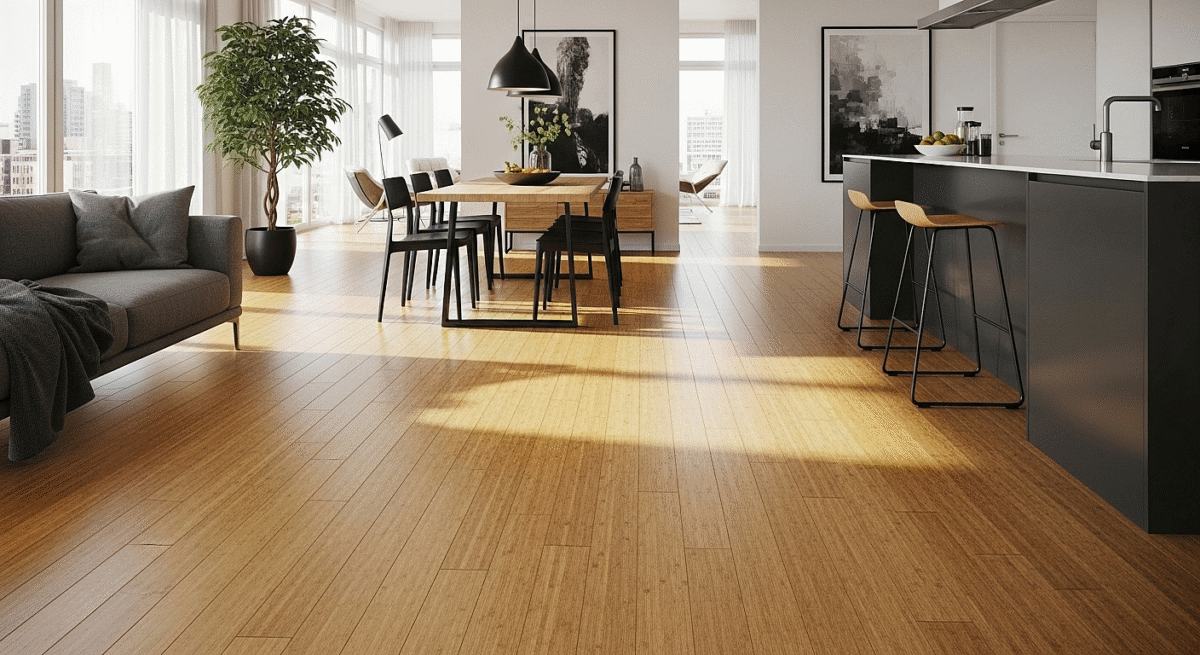
Bamboo represents one of nature’s most efficient flooring materials, challenging traditional perceptions about sustainable alternatives. Rather than timber, bamboo is actually a grass species that achieves remarkable growth rates—some varieties extending up to 1 metre daily. This extraordinary regeneration means bamboo reaches full maturity within 5 years, whilst hardwood trees require 20-100 years to achieve the same stage.
Bamboo flooring sustainability
The environmental profile of bamboo flooring demonstrates impressive credentials across multiple measures. After harvesting, bamboo regenerates from its existing root network, eliminating replanting requirements and establishing it as genuinely renewable. Research shows bamboo forests generate approximately 30% more oxygen than comparable hardwood forests.
Hand-harvesting practices characterise many bamboo operations, reducing machinery impact on surrounding ecosystems. Under optimal conditions, bamboo thrives without chemical fertilisers, pesticides, or artificial irrigation systems.
Carbon sequestration provides another environmental advantage, with bamboo absorbing atmospheric CO2 and storing it within its cellular structure. It’s worth noting that some lower-grade bamboo products contain formaldehyde-based adhesives, although manufacturers increasingly offer non-toxic alternatives.
Bamboo flooring cost savings
Cost comparison reveals bamboo’s significant economic advantages over traditional hardwood options. Quality solid bamboo flooring with oak-comparable strength typically costs under £25 per square metre, whilst equivalent solid oak often exceeds £40 per square metre.
Current pricing structures for bamboo flooring range from £20-£40 per square metre for standard grades, with premium options reaching £60 per square metre. Professional installation adds approximately £5.56-£15.88 per square foot to overall costs.
These cost benefits stem from bamboo’s rapid growth cycle and harvesting efficiency compared to hardwood processing. The material’s durability further reduces long-term maintenance and replacement expenses.
Bamboo flooring durability
Despite its grass origins, bamboo flooring demonstrates exceptional resilience often surpassing traditional hardwoods. Strand-woven bamboo—manufactured by compressing bamboo strips under intense pressure and heat—achieves approximately 3,270 on the Janka hardness scale. This rating significantly exceeds oak hardness and matches Brazilian redwood performance.
Standard bamboo varieties (vertical or horizontal construction) score between 1,825-1,999 on the Janka scale, outperforming many conventional hardwoods. Comparative testing shows bamboo exceeding steel alloys, concrete, and graphite in certain strength measures.
Properly maintained high-quality bamboo flooring endures 20-50 years of use. Unlike some engineered alternatives, solid bamboo accommodates multiple refinishing cycles, extending serviceable life considerably.
Best use cases for bamboo flooring
Bamboo flooring excels in several residential applications:
- Living areas and bedrooms where aesthetic appeal combines with durability requirements
- High-traffic zones where hardness prevents wear and impact damage
- Homes with underfloor heating (subject to manufacturer specifications)
- Allergy-sensitive environments due to bamboo’s hygienic properties and easy cleaning
However, bamboo presents limitations in certain situations. Although more moisture-tolerant than many hardwoods, it lacks complete waterproofing and should be avoided in bathrooms or areas with excessive moisture exposure. Environments with significant humidity fluctuations may cause bamboo planks to expand, contract, or develop cracks.
Aesthetic flexibility includes natural light tones through darker carbonised finishes and various stained options. The growing adoption of bamboo flooring reflects both environmental awareness and practical benefits, delivering sustainable, economical, and attractive solutions for modern residential spaces.
Cork Flooring
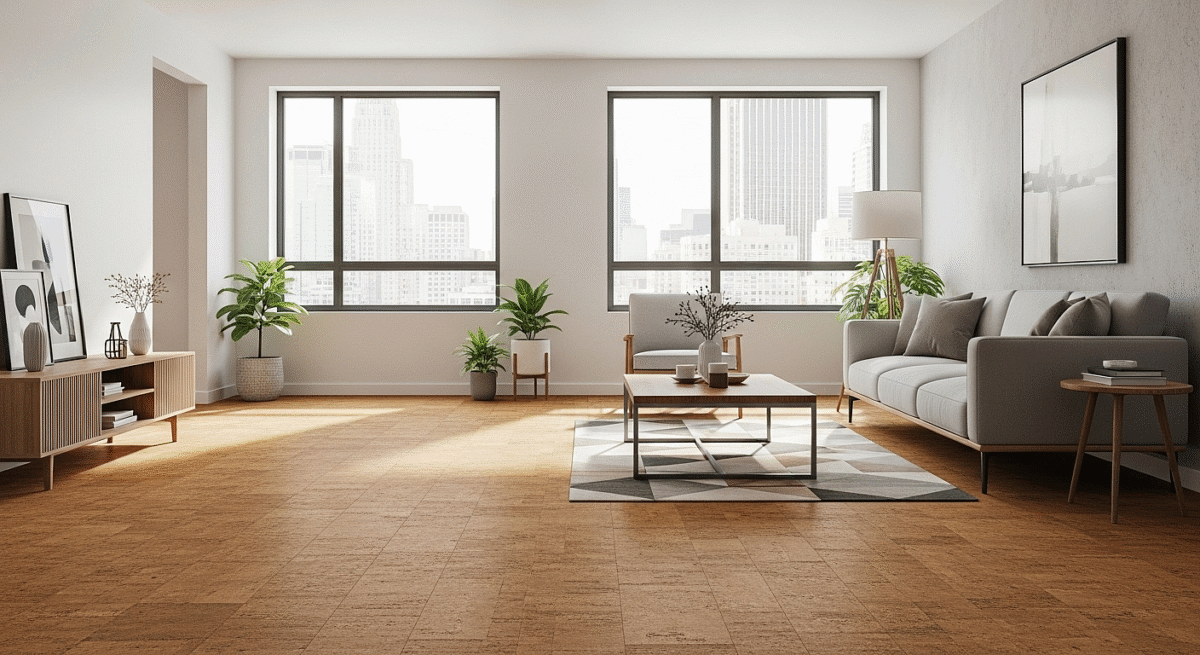
Cork represents one of nature’s most ingenious flooring solutions, harvested sustainably from the bark of cork oak trees without harming a single tree. This renewable resource grows primarily across Mediterranean regions, particularly Portugal, Spain, and Italy.
Cork flooring sustainability
The environmental credentials of cork flooring are remarkable. Skilled workers carefully strip the bark from mature cork oaks—a harvesting method that causes no damage to the trees themselves. After the initial harvest at around 25 years of age, cork oaks can be harvested every 9-12 years throughout their impressive 200-year lifespan.
What truly distinguishes cork is its carbon-negative impact. Harvested cork trees absorb 3-5 times more carbon dioxide than unharvested ones. Portugal’s cork oak forests alone offset an impressive 10 million tonnes of carbon annually.
Cork flooring often originates as a by-product of cork stopper production, making efficient use of materials that might otherwise go to waste. This circular approach means virtually every part of harvested cork finds useful purpose.
For those concerned about indoor air quality, cork flooring typically features non-toxic adhesives with minimal VOC emissions. Many cork products carry indoor air quality certifications, having been tested for over 2,000 potential chemicals.
Cork flooring cost savings
Cork offers compelling financial benefits. Prices typically range from £35-£50 per square metre, generally costing less than premium hardwood whilst delivering comparable aesthetic appeal.
The economic advantages extend beyond initial purchase price. Cork’s exceptional insulating properties help maintain consistent indoor temperatures, potentially reducing heating costs. Its natural thermal insulation might even eliminate the need for underfloor heating in some applications.
Installation costs vary by method—click-and-lock floating installation averages around £35 per square metre, whilst professional glue-down installation costs approximately £50 per square metre.
Cork flooring durability
Despite its soft feel underfoot, cork demonstrates surprising resilience. This durability stems from its unique cellular structure—over 200 million enclosed air cells per cubic inch. This composition allows cork to compress under pressure then return to its original shape without permanent damage.
Cork flooring withstands heavy foot traffic and, with proper maintenance, can last 10-30 years. Its natural elasticity prevents furniture indentations, as the material gradually rebounds after compression.
Cork contains a natural substance called suberin that makes it resistant to mould, mildew, and pests. This antimicrobial quality contributes to healthier indoor air, particularly beneficial for allergy sufferers.
It’s worth noting that whilst cork is naturally water-resistant, it isn’t entirely waterproof. Many modern cork floors feature polyurethane finishes that enhance moisture resistance, though extreme humidity can still potentially cause warping.
Best use cases for cork flooring
Cork excels in various home applications:
- Living spaces: Natural warmth and comfort underfoot make it ideal for areas where barefoot comfort matters
- Kitchens: The cushioned surface reduces strain during extended standing periods
- Children’s rooms: Cork’s soft, resilient surface provides safer play areas and absorbs impact from falls
- Home offices: Excellent sound absorption properties create quieter work environments
Cork’s sound absorption capability is particularly impressive, reducing walking noise by 53% compared to laminate flooring. It demonstrates the highest shock-absorbing capacity when compared to carpet, linoleum, laminate, and ceramic options.
However, cork isn’t suitable everywhere. Extremely humid bathrooms require proper ventilation to prevent potential warping. In historic Georgian or Victorian properties, cork might clash aesthetically with traditional architecture.
For homeowners seeking comfortable, durable flooring that reduces environmental impact, cork provides an outstanding sustainable choice that balances performance with planet-friendly properties.
Linoleum and Marmoleum

Created in the 1800s, linoleum remains one of the most enduring eco-friendly flooring solutions available today. Often mistaken for vinyl flooring (which contains non-biodegradable PVC), authentic linoleum differs fundamentally—crafted entirely from natural, renewable materials that make it an excellent sustainable choice for both homes and commercial spaces.
Linoleum sustainability and materials
Genuine linoleum consists of natural ingredients including linseed oil extracted from flax seeds, cork dust, wood flour, pine resin, ground limestone, and pigments applied to a jute backing. This composition makes linoleum completely biodegradable and environmentally responsible.
Marmoleum—Forbo’s premium linoleum brand—demonstrates even greater sustainability credentials. Manufactured from up to 98% natural raw materials (including 78% bio-based content and 43% recycled materials), Marmoleum achieves climate positive status from cradle to gate without requiring carbon offsetting. The natural materials actually absorb more CO2 during growth than the manufacturing and transportation processes emit.
The production follows circular economy principles, with installation offcuts collected and recycled into new products. Both linoleum and Marmoleum contain no phthalates, plasticisers, or mineral oil, supporting healthier indoor air quality.
Linoleum cost-effectiveness
Linoleum flooring offers exceptional value for money. Material costs currently range from approximately £1.59 to £5.56 per square foot. Including professional installation, total costs typically fall between £2.38 and £8.74 per square foot.
The real cost advantage emerges through longevity rather than initial price alone. Quality linoleum can last up to 40 years with proper maintenance, substantially reducing lifetime costs compared to flooring requiring more frequent replacement.
Linoleum durability and maintenance
Despite its natural composition, linoleum demonstrates remarkable resilience. It offers excellent scratch resistance because colour runs throughout each layer—minor scratches can be buffed out and resealed without visible marks.
Maintenance requirements remain straightforward. Regular sweeping removes grit and dust, followed by occasional damp mopping with pH-neutral cleaners. However, high-pH or harsh alkaline cleaners should be avoided as they can damage the material.
Modern linoleum products, particularly those with protective finishes like Forbo’s Topshield Pro or Topshield2, eliminate traditional waxing or polishing requirements. These factory-applied finishes enhance stain and scuff resistance whilst simplifying maintenance.
Best use cases for linoleum flooring
Linoleum excels in several home applications:
- Kitchens: Waterproof properties and stain resistance make it ideal for cooking areas
- Living areas and hallways: Durability and underfoot comfort create seamless room transitions
- Bedrooms: Provides eco-friendly ambiance with sound-dampening properties
- High-traffic commercial spaces: Hospitals, schools, and offices benefit from longevity and hygienic qualities
It’s worth noting that linoleum offers inherent antimicrobial properties. The natural linseed oil provides bacteriostatic qualities that inhibit microorganisms like MRSA and Staphylococcus aureus. This makes it particularly valuable where hygiene matters most.
For homeowners seeking sustainable materials that balance environmental benefits with practical performance, linoleum—especially premium versions like Marmoleum—represents an outstanding choice that has proven itself over 150 years.
FSC-Certified Wood Flooring
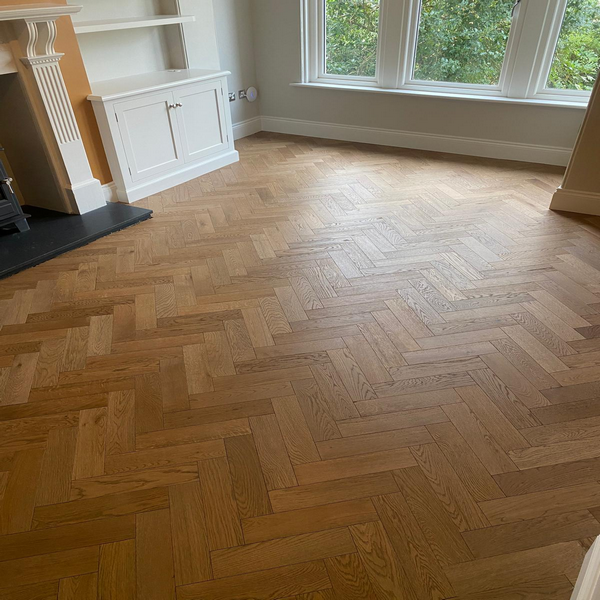
Forest Stewardship Council (FSC) certification represents the gold standard for environmentally responsible timber products. This globally recognised system ensures wooden floors originate from forests managed according to rigorous environmental, social, and economic standards.
FSC-certified wood sustainability
FSC certification requires that timber comes from responsibly managed forests where trees are replaced or regenerate naturally. The certification process protects biodiversity through careful logging plans that maintain canopy cover, preserve water sources, and safeguard endangered species.
The environmental benefits extend well beyond forest management. FSC-certified wood offers excellent thermal insulation—five times better than concrete and 350 times superior to steel—which can reduce home heating and cooling costs considerably. Wood production requires 24 times less energy than steel manufacturing.
The certification also addresses ethical concerns about illegal logging. FSC standards ensure timber isn’t harvested illegally or sourced from conflict zones, whilst supporting fair labour practices with safe working conditions and appropriate wages.
FSC-certified wood cost savings
FSC-certified hardwood may carry a modest initial premium compared to non-certified alternatives. However, the long-term benefits often outweigh this difference:
- Higher quality: Carefully managed forests typically produce stronger, more stable boards
- Extended lifespan: With proper care, these floors can last decades
- Enhanced resale value: Eco-conscious buyers increasingly consider sustainable materials essential in modern homes
Some companies, including Ted Todd, provide FSC certification as standard without additional charges. This approach makes sustainable choices more accessible for budget-conscious homeowners.
FSC-certified wood durability
FSC-certified hardwood often originates from carefully managed forests where trees reach full maturity before harvesting. This produces stronger, denser wood with enhanced durability compared to timber from poorly managed sources.
Engineered FSC-certified wood features multi-layered construction that provides greater stability and resistance to temperature and humidity changes. This enhanced stability extends flooring lifespan whilst reducing replacement needs and associated resource consumption.
FSC-certified engineered oak boards can last considerable periods and accommodate multiple sanding and refinishing treatments. Solid FSC-certified floors can be sanded and refinished repeatedly without issues, provided they’re properly acclimatised and not exposed to extreme humidity fluctuations.
Best use cases for FSC-certified wood
FSC-certified wood flooring performs excellently throughout various home applications:
- Living spaces: Natural beauty and warmth suit areas where aesthetics matter most
- Bedrooms: Thermal properties help maintain comfortable temperatures
- High-traffic areas: The durability of properly managed wood withstands daily use
- Environmentally conscious homes: Ideal for those prioritising sustainability across all living aspects
FSC-certified wood offers remarkable versatility—available in over 400 product groups worldwide, from dimensional lumber to cross-laminated timber and hardwood panels. FSC also promotes lesser-known timber species available in certified forests, expanding design possibilities.
For homeowners committed to sustainable living, FSC certification represents more than a flooring choice—it’s an investment in ethical practices that protect forests, support fair labour, and contribute to environmental health.
Reclaimed Wood Flooring
Salvaged from buildings that have witnessed decades or even centuries of history, reclaimed wood flooring represents perhaps the most authentic approach to sustainable material reuse. This distinctive flooring brings the character and warmth of aged timber into contemporary spaces whilst delivering genuine environmental benefits through thoughtful repurposing.
Reclaimed wood sustainability
The environmental credentials of reclaimed wood flooring are compelling. Repurposing timber from old barns, factories, warehouses, or even retired railway carriages dramatically reduces demand for newly felled trees. This approach embodies circular economy principles throughout the material’s extended lifecycle—from demolition through reclamation, restoration, and eventual repurposing.
Research conducted by the USDA and U.S. Army Corps of Engineers found that harvesting, transporting, and processing virgin wood requires 11-13 times more energy than using reclaimed alternatives. Moreover, reclaimed wood continues storing carbon throughout its extended life, contributing positively to climate mitigation efforts.
The forest preservation aspect remains crucial—one tree provides sufficient oxygen for four people daily, making conservation vital for ecological balance. Many manufacturers now offer FSC Certified Recycled options, providing additional assurance that sustainability standards are met.
Reclaimed wood cost savings
Although reclaimed wood may require higher initial investment than some alternatives, its long-term value proposition proves compelling. The exceptional durability means fewer replacements and repairs, offsetting upfront expenses across decades of use.
Much reclaimed timber originates from old-growth forests, resulting in superior physical properties compared to commercially grown modern alternatives. Many suppliers offer engineered reclaimed options that provide both flexibility and cost-effectiveness.
As prices for new timber continue rising, reclaimed wood flooring becomes increasingly advantageous for cost-conscious homeowners. Properly installed reclaimed flooring remains fully compatible with underfloor heating systems, eliminating additional expenses for alternative heating solutions.
Reclaimed wood durability
The remarkable durability of reclaimed wood stems primarily from its origins. Much reclaimed timber comes from old-growth forests where trees grew slowly over centuries, creating tighter, denser grain patterns that provide superior strength and hardness. This mature grain structure can make reclaimed wood up to 40 points harder on the Janka hardness scale than newly harvested timber.
Decades of natural air-drying and seasoning have enhanced the wood’s stability. This extended ageing process allows the material to expand and contract naturally, making it less susceptible to warping or cracking under changing environmental conditions.
With proper care and maintenance, reclaimed wood flooring can last over 100 years. Many reclaimed floors have already survived 80-150 years before installation and can easily endure another century.
Best use cases for reclaimed wood
Reclaimed wood flooring excels in various applications:
- Period properties: Ideal for Grade I and II listed buildings and heritage restoration projects
- Contemporary spaces: Creates striking contrast in modern settings through rich patina and character
- High-traffic areas: The tight grain and density make it perfect for entryways and living spaces
- Rustic interiors: Provides authentic warmth particularly suited to country cottages
The visual appeal comes from distinctive character—unique markings, nail holes, weathering, and colour variations that tell stories impossible to replicate with new materials. Each plank carries historical significance, with some suppliers offering timber from fascinating sources like old textile mills, European barns, and historic buildings.
For homeowners seeking flooring with authentic character, exceptional durability, and genuine sustainability credentials, reclaimed wood provides an outstanding combination of practical benefits and environmental responsibility.
Natural-Fibre Carpets
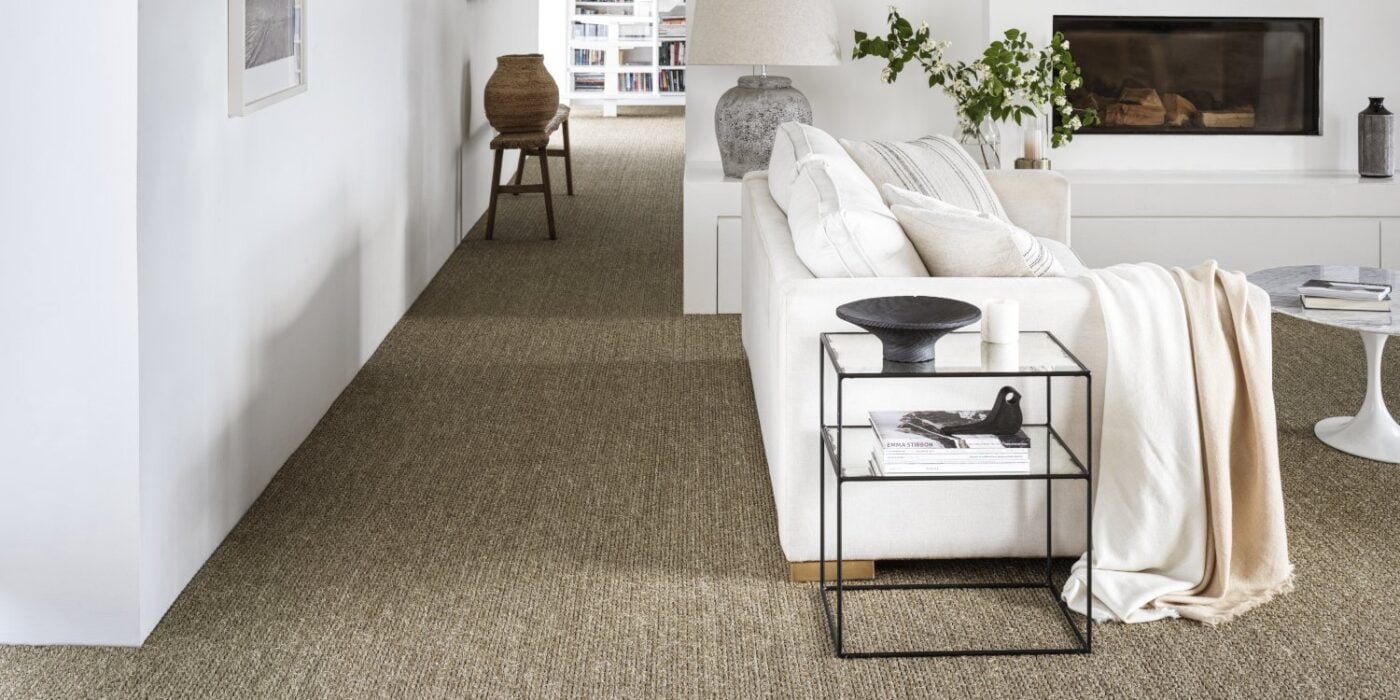
Natural-fibre carpets have gained recognition as a sustainable flooring category that combines plant-based materials with distinctive textures. Crafted from materials such as sisal, seagrass, jute, and coir, these carpets present an earth-friendly alternative for homeowners seeking softer flooring solutions with organic character.
Natural-fibre carpet sustainability
The environmental credentials of natural-fibre carpets are noteworthy. These carpets rely primarily on renewable plant-based materials and contain no harsh chemicals, causing significantly less environmental deterioration than synthetic alternatives. Most natural carpets remain undyed and unprocessed, utilising raw materials that minimise environmental impact.
At the end of their useful life, natural-fibre carpets are completely biodegradable. They decompose without producing hazardous pollutants, reducing pressure on waste management systems. During their lifecycle, these carpets can be recycled or upcycled, extending their practical usefulness.
Some manufacturers strengthen their sustainability credentials through additional environmental initiatives. These include planting trees for every sample ordered and using recycled packaging. Others establish partnerships with climate-positive projects in the countries where their plant fibres originate.
Natural-fibre carpet cost savings
Although natural-fibre carpets may require higher initial investment than synthetic options, their exceptional longevity provides cost-effectiveness over time. The resilience of these carpets, particularly sisal and seagrass varieties, means they maintain their appearance longer even under heavy use.
This durability reduces replacement frequency, creating genuine long-term savings. With proper maintenance, natural-fibre carpets can serve as a worthwhile investment that offsets initial costs through years of reliable performance.
Natural-fibre carpet durability
Durability varies considerably by material type. Sisal demonstrates exceptional toughness and hard-wearing properties, making it suitable for high-traffic areas. Seagrass offers a harder texture that withstands busy household conditions effectively. Jute provides a softer, silkier texture better suited to less-trafficked spaces.
However, it’s worth noting that natural fibres contain natural colouring that is not colourfast, requiring prompt attention to spills. Water or steam extraction cleaning methods should be avoided, as these can damage the natural materials.
Best use cases for natural-fibre carpets
Different natural fibres excel in specific applications:
Jute: Ideal for bedrooms and home offices where comfort takes priority over heavy traffic resistance. Its golden hue and soft texture create luxurious environments.
Sisal: Well-suited for stairs and living spaces due to its durability and hard-wearing nature. The slight flecks in its weave add visual interest.
Seagrass: Excellent for creating rustic country aesthetics in living areas, though it’s not recommended for stairs due to natural oils that can become slippery.
Coir: Appropriate for entrances and hallways thanks to its robust texture, although it should be avoided in high-moisture areas.
Natural-fibre carpets work particularly well in conservatories, helping to “bring the outside in” whilst complementing earthy colour schemes including green, brown, beige, and stone. Their distinctive textures add character to spaces whilst supporting sustainable design principles.
Plastic-Free Carpet Options

Plastic-free carpets offer one of the most effective ways to eliminate synthetic materials from your home environment. These chemical-free floor coverings remove petroleum-based components entirely, providing a natural alternative that benefits both indoor air quality and environmental health.
Plastic-free carpet sustainability
The environmental credentials of plastic-free carpets are particularly impressive when considering microplastic pollution. Synthetic carpets continuously shed tiny plastic particles throughout their lifespan, which eventually contaminate soil and water systems. Fully biodegradable options made from 100% natural wool with natural latex backing break down in just 1-5 years after disposal, compared to the 500 years required for synthetic alternatives.
Many premium plastic-free carpets feature undyed wool that requires no chemical treatments. This approach significantly reduces chemical content in your home. Wool represents a genuinely renewable resource that regenerates annually, as sheep require regular shearing for their health and comfort.
Plastic-free carpet cost savings
Although plastic-free carpets typically require higher initial investment, their extended lifespan provides better long-term value. Quality wool carpets can last 20-30 years with proper care, whilst synthetic options typically last only 5-10 years. The economics become clear when comparing costs over time—a £40 per square metre wool carpet lasting 25 years offers better value than a £20 synthetic carpet requiring replacement every 8 years.
Plastic-free carpet durability
Natural composition doesn’t compromise performance. Wool carpets prove just as hard-wearing as synthetic alternatives when properly maintained. The fibres contain natural lanolin, which provides inherent stain resistance. Additionally, wool carpets require less frequent cleaning, as microscopic pockets in the fibres trap dust rather than allowing it to settle on surfaces.
Best use cases for plastic-free carpets
Plastic-free carpets suit various applications throughout the home:
- Bedrooms – Longer pile wool carpets create comfortable surfaces ideal for barefoot living
- High-traffic areas – Shorter pile wool options provide excellent durability for hallways and stairs
- Homes with allergy sufferers – Wool’s hypoallergenic properties benefit those sensitive to indoor air pollution
- Family homes – Natural carpets improve indoor air quality by absorbing household odours and pollutants
For homeowners seeking genuinely sustainable carpet solutions, 100% natural wool carpets with backing derived from rubber trees represent perhaps the most environmentally responsible choice available.
Comparison Table
How do these sustainable flooring options compare across key factors like cost, durability, and environmental impact? This overview presents the essential details to help you evaluate which eco-friendly flooring might work best for your specific needs and budget.
| Flooring Type | Sustainability Features | Cost Range (per m²) | Durability/Lifespan | Best Use Cases | Key Advantages |
|---|---|---|---|---|---|
| Bamboo | – Reaches maturity in 5 years – Produces 30% more oxygen than hardwoods – Carbon sink properties | £20-£60 | 20-50 years Scores 3,270 on Janka scale (strand-woven) | – Living areas – Bedrooms – High-traffic zones – Homes with underfloor heating | – Fast-growing – Extremely durable – Cost-effective |
| Cork | – Harvested without cutting trees – Carbon-negative impact – Absorbs 3-5x more CO2 when harvested | £35-£50 | 10-30 years | – Living spaces – Kitchens – Children’s rooms – Home offices | – Natural insulation – Sound absorption – Antimicrobial properties |
| Linoleum/Marmoleum | – 98% natural materials – Climate positive – Biodegradable | £13-£47 (£1.59-£5.56/sq ft) | Up to 40 years | – Kitchens – Living areas – Hallways – Commercial spaces | – Waterproof – Antimicrobial – Low maintenance |
| FSC-Certified Wood | – Responsibly managed forests – Protects biodiversity – 5x better insulation than concrete | Not mentioned specifically | Multiple decades with proper care | – Living spaces – Bedrooms – High-traffic areas | – High quality – Strong resale value – Temperature regulation |
| Reclaimed Wood | – Zero new tree harvest – Reduces processing energy by 11-13x – Continues storing carbon | Higher initial cost than new wood | 100+ years | – Period properties – Contemporary spaces – High-traffic areas – Rustic interiors | – Superior density – Unique character – Historical value |
| Natural-Fibre Carpets | – Renewable materials – Biodegradable – Chemical-free | Not mentioned specifically | Varies by fibre type | – Bedrooms (Jute) – Living spaces (Sisal) – Entrances (Coir) – Conservatories | – Natural aesthetics – Distinctive textures – Recyclable |
| Plastic-Free Carpets | – No microplastic pollution – Biodegrades in 1-5 years – Chemical-free | £40+ (wool options) | 20-30 years | – Bedrooms – High-traffic areas – Homes with allergies | – Hypoallergenic – Natural stain resistance – Improves air quality |
Conclusion
Sustainable flooring represents more than environmental responsibility—it offers genuine practical advantages for modern homeowners. Each option discussed provides distinct benefits suited to different needs and spaces.
The evidence suggests these materials deliver long-term value through extended lifespans and reduced maintenance requirements. What might appear as higher initial investment often proves economically sensible when considered over decades of use.
Your flooring choice depends on specific requirements. Moisture-prone areas like kitchens benefit from water-resistant options, whilst living spaces might prioritise comfort and aesthetic appeal. High-traffic zones require materials that withstand daily wear without compromising appearance.
The substantial annual investment in UK home improvements reflects growing awareness that sustainable choices can be both environmentally responsible and financially prudent. These materials create healthier indoor environments whilst supporting responsible manufacturing practices.
If you’re considering sustainable flooring, speak to flooring specialists who can assess your specific needs. Factors like existing subfloors, room usage, and household requirements all influence the most appropriate choice for your situation.
Whether your priority is rapid renewability, carbon storage, or chemical-free living, these sustainable options provide pathways to flooring that performs well whilst supporting environmental goals. The question isn’t whether sustainable flooring makes sense—it’s which option best suits your particular circumstances.
Key Takeaways
Discover how sustainable flooring options can transform your home whilst saving money and protecting the environment through these seven eco-friendly alternatives.
• Bamboo offers exceptional value: Costs under £25/m² yet scores 3,270 on hardness scale, lasting 20-50 years with rapid 5-year growth cycles.
• Cork provides unique benefits: Harvested without cutting trees, offers natural insulation and antimicrobial properties whilst absorbing 3-5x more CO2.
• Reclaimed wood delivers superior quality: Old-growth timber is 40 points harder than new wood, lasting 100+ years with distinctive character.
• Natural materials reduce long-term costs: Sustainable options like linoleum last up to 40 years, offsetting higher initial investment through durability.
• Health benefits accompany sustainability: Plastic-free carpets and natural fibres eliminate microplastic pollution whilst improving indoor air quality.
The key insight is that eco-friendly flooring represents smart financial planning rather than environmental sacrifice. With the UK spending £50 billion annually on home improvements, these sustainable materials prove that responsible choices deliver both planet-friendly credentials and practical benefits that enhance your home’s value and your family’s wellbeing.
FAQs
Q1. What are the trending eco-friendly flooring options for 2025? In 2025, sustainable flooring materials like bamboo, cork, reclaimed wood, and natural-fibre carpets are gaining popularity. These options offer durability, aesthetic appeal, and environmental benefits.
Q2. Which flooring type is considered the most environmentally friendly? While several options are eco-friendly, cork flooring stands out for its sustainability. It’s harvested without harming trees, absorbs more CO2 when harvested, and offers natural insulation and antimicrobial properties.
Q3. What is the most cost-effective sustainable flooring option? Bamboo flooring offers excellent value for money. It’s typically priced under £25 per square metre, is extremely durable with a hardness score of 3,270 on the Janka scale, and can last 20-50 years.
Q4. How can I balance aesthetics and sustainability in my flooring choices? Consider options like FSC-certified wood or reclaimed timber. These provide the classic appeal of hardwood whilst ensuring responsible forestry practises or giving new life to existing materials, combining beauty with eco-friendliness.
Q5. Are there health benefits to choosing eco-friendly flooring? Yes, many eco-friendly options offer health benefits. For instance, natural-fibre and plastic-free carpets eliminate microplastic pollution and improve indoor air quality. Cork and wool carpets also have hypoallergenic properties, beneficial for allergy sufferers.