Types of flooring
The perfect flooring choice varies throughout your home. What works great in your living room might not be the best fit for your kitchen. Hardwood flooring tops the list of what homeowners and buyers want, but its cost might make you think twice about using it everywhere in your house.
You need to strike the right balance between looks, durability, and price as you pick your flooring. Solid wood floorboards that are 18-20mm thick can last for decades if you take good care of them. The price ranges from £19 to over £160 per square metre, making it a big investment.
The good news is that you’ll find many alternatives that look great and last long without costing too much. Natural stone floors are the most durable option to name just one example, but synthetic materials have really improved.
These newer options now look just like premium materials and give you better value. Modern options like laminate flooring come with a finished top layer that looks just like engineered hardwood. Luxury vinyl planks are built with multiple protective layers that make them both beautiful and practical.
This piece looks at seven flooring types that give you the best bang for your buck in 2025. It will help you pick the right option for every room in your house.
Laminate Flooring
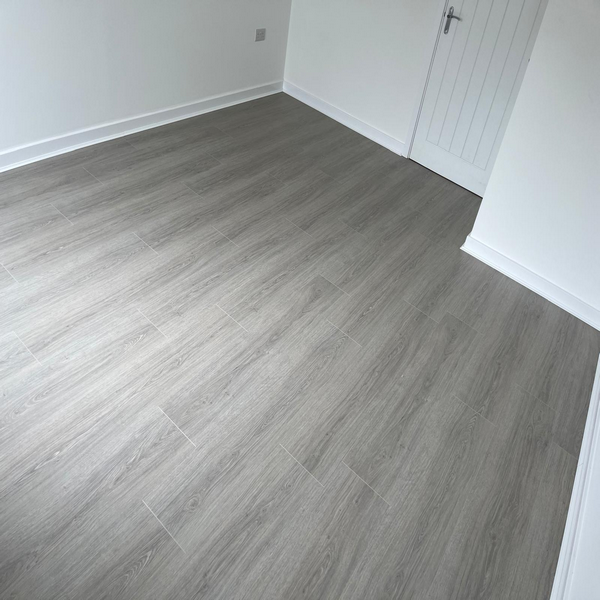
Laminate flooring stands out as a smart choice for homeowners who want natural-looking floors without spending too much. This practical flooring option gives you great value and lasts long, making it perfect for anyone planning home improvements on a budget in 2025.
Key features of Laminate Flooring
The magic of laminate flooring lies in its layered construction that creates a tough and beautiful surface. A particleboard wood base forms the foundation, followed by a photographic layer that looks just like wood or stone, and everything gets sealed with a protective resin top layer. These days, manufacturing technology has gotten so good that you’d have trouble telling the difference between laminate and genuine materials.
The structure has four main layers:
- A tough resin topcoat (sometimes textured to look more real)
- A high-definition printed decor layer
- A solid HDF (high-density fibreboard) core
- A sturdy resin base layer
On top of that, you can choose from many styles and finishes, such as herringbone, parquet, oak effect, and tile effect. The edges come in different styles too, from micro-bevelled to deep bevelled, which make the flooring look even more authentic.
Pros of Laminate Flooring
Laminate flooring brings several great benefits:
- Durability – This stuff resists scratches and handles heavy foot traffic like a champ, perfect if you have kids and pets running around. Look for the AC rating (AC1 to AC5) to know how tough it is – AC5 can even handle heavy commercial use.
- Cost-effectiveness – Materials cost about £30 per m², giving you that premium hardwood look at half the price. Installation costs are reasonable too, usually around £30 per m².
- Easy maintenance – You just need a microfibre spray mop and some specialist cleaner to keep it looking great. Unlike real wood, you won’t need to sand or refinish it over time.
- Simple installation – Most laminate products now use click-and-lock systems that float over your subfloor without glue. This means faster and cheaper installation compared to natural materials.
- UV stability – Thanks to the resin top layer, your floor won’t fade in sunlight.
Cost of Laminate Flooring
Basic laminate starts at £5 to £10 per m², while better quality options run between £10 and £20 per m². The fancy stuff with extra features can cost more than £20 per m², going up to £30 per m² or higher.
Your total cost depends on several things:
- Quality and thickness (6mm to 12mm)
- Brand reputation
- Special features (water resistance, textured finishes)
- AC rating (tougher ratings cost more)
Remember to add underlay (£1-£8 per m²), possible subfloor prep (£10-£30 per m²), and labour costs if you’re not doing it yourself.
Best rooms for Laminate Flooring
Living areas and bedrooms are perfect spots for laminate flooring because it looks great and lasts long. Busy areas like hallways and entryways need thicker laminate with a higher AC rating to handle more impact and keep things quieter.
Kitchens work well with laminate too, especially water-resistant types. Products rated AC4 or AC5 handle moisture better, but you should still clean up spills quickly.
Water-resistant laminate technology has improved, but most experts say to avoid regular laminate in bathrooms or very wet areas unless you buy specially made waterproof or water-resistant products. Brands like Beauflor offer options designed specifically for these tricky spaces.
A well-maintained laminate floor lasts 15-25 years, making it a smart investment if you want something durable and stylish without spending too much. The mix of practical benefits and style options makes this one of the most economical flooring choices you can find today.
Luxury Vinyl Tiles (LVT)
Luxury Vinyl Tiles (LVT) have changed by a lot in recent years. They’re now one of the fastest-growing options in the flooring market. This modern flooring choice looks great and works well, making it popular with homeowners who want both style and value.
Key features of Luxury Vinyl Tiles

LVT flooring has multiple layers that create a tough and good-looking surface. The structure has:
- A hardwearing top layer with urethane treatment to resist scratches
- A high-definition photographic layer that copies natural materials
- A stable core made of PVC vinyl and resin
- A resilient backing layer that adds stability
The sort of thing I love about LVT is how well it copies premium materials. Modern manufacturing creates luxury vinyl that looks just like wood, stone, or tile—you might not even spot the difference. You can get it in planks or tiles, and there are different ways to install it, like click-and-lock systems or adhesive methods. Some types even come with state-of-the-art features like LooseLay technology, which lets you install it without much subfloor prep.
Today’s LVT comes in many designs and patterns. You’ll find everything from wood-effect planks to bold colours and decorative tiles. There are even fancy layouts like herringbone and parquet that give your floor a unique look.
Pros of Luxury Vinyl Tiles
LVT flooring has many advantages that make it worth the money:
- Exceptional durability – Built to handle heavy foot traffic, LVT’s protective wear layer fights off scratches and scuffs. This makes it perfect for busy homes.
- Complete waterproof protection – Unlike laminate, LVT won’t get damaged by water, so you can put it anywhere.
- Comfort underfoot – Your feet will feel better on LVT than on ceramic tile or stone, especially when standing for long periods.
- Easy maintenance – Just sweep regularly and mop now and then with neutral pH cleaner to keep it looking new.
- Compatibility with underfloor heating – LVT combines naturally with heating systems (up to 27°C) to keep you cosy in winter.
LVT beats engineered wood with better moisture resistance and a lower price tag. It’s also more comfortable to walk on than ceramic tiles and doesn’t need grout, which makes cleaning much easier.
Cost of Luxury Vinyl Tiles
LVT’s price changes based on quality and brand name. Budget options start at £15-£30 per square metre. Mid-range products cost £31-£50, and premium choices can run £51-£70 per square metre. High-quality luxury vinyl usually costs about £45 per square metre for materials.
Getting it installed adds to the cost. Basic installation runs £10-£20 per square metre, while fancy patterns like herringbone might cost £50-£70 per square metre. Workers charge around £200 per day.
Other costs to think over:
- Subfloor preparation: £2-£13 per square metre
- Underlay: £3-£8 per square metre
- Removing old flooring: About £120
The upfront cost might seem high, but LVT’s toughness and easy upkeep make it budget-friendly over its 25-30 year life.
Best rooms for Luxury Vinyl Tiles
LVT flooring works best where you need water resistance and durability. So it’s great for:
Kitchens – Food and water won’t hurt LVT, and it’s easy to clean. This makes it perfect for cooking areas. Your feet will thank you during long cooking sessions too.
Bathrooms – This is a big deal as it means that LVT won’t warp or grow mould in wet, humid conditions. It’s also much safer than ceramic tiles or natural stone.
Living rooms – The soft, flexible core makes less noise and feels better under your feet, creating a nice space to relax.
Hallways and entryways – These high-traffic areas won’t show wear and tear because LVT resists scratches so well.
Basements – LVT handles moisture and temperature changes well, making it a smart choice for below-ground rooms.
Businesses love LVT too. Its mix of good looks and toughness works great in shops, offices, and healthcare buildings.
LVT gives you the best of both worlds – it saves money while looking good and lasting long. That’s what makes it such a smart investment.
Engineered Wood Flooring
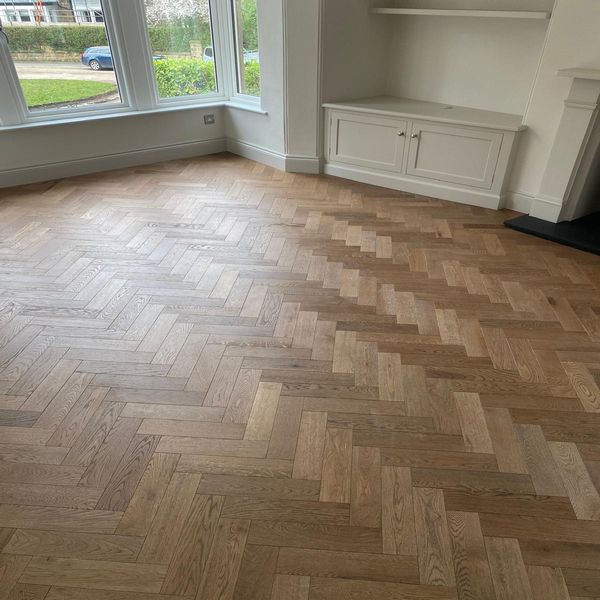
Homeowners who want the beauty of real wood without solid timber’s drawbacks will find engineered wood flooring a perfect choice. It strikes the right balance between natural looks and practical benefits.
Key features of Engineered Wood Flooring
Engineered wood flooring combines multiple bonded layers to create a stable and durable product. The structure has a real wood top layer (veneer or lamella) fixed to several layers of plywood, spruce pine, or high-density fibreboard (HDF). This smart design gives you the genuine look of solid wood and better dimensional stability.
The top layer comes in different wood species and grades, with thickness ranging from 2mm to 6mm. This wear layer tells you how many times you can refinish the floor over its life. The core layers underneath are placed at opposing angles that create a stronger bond than regular flooring.
Today’s manufacturing lets producers make engineered boards in many styles, including wider planks that would cost too much in solid wood. You can even get chevron and parquet patterns already arranged on the boards, which makes detailed installations much easier.
Pros of Engineered Wood Flooring
Engineered wood flooring brings several great advantages:
- Better stability – The layered design reduces expansion and contraction, so your floor is less likely to warp or cup when moisture and temperature change.
- Easy installation – Many products come with click-lock systems that make installation simple for both DIY fans and professional installers.
- Can be refinished – If the wear layer is thick enough, you can sand and refinish these floors to remove stains or marks and make them look new again.
- Works with underfloor heating – Unlike solid wood, engineered flooring naturally works with underfloor heating systems (up to 27°C), making your home cosier in winter.
- Looks like real wood – The real wood top layer looks and feels just as warm as solid wood flooring – even experts have trouble telling the difference.
These floors handle conditions that might damage solid wood, especially in spaces where moisture and temperature keep changing.
Cost of Engineered Wood Flooring
You’ll find engineered wood flooring offers good value at about £50 per square metre. Basic options start under £30 per square metre, while high-end choices with thicker wear layers and exotic woods cost more.
The price depends on:
- The wear layer’s thickness (thicker layers mean more refinishing)
- Wood type and grade
- Finish quality (lacquered or oiled)
- Board size (wider boards usually cost more)
Compared to solid wood flooring, engineered options save you money while looking almost the same. The floor’s 30+ year lifespan with proper care makes it an even better investment.
Best rooms for Engineered Wood Flooring
These floors work great throughout your home thanks to their stability and moisture resistance:
Kitchens – They handle moisture and temperature changes well, making them great for kitchens where spills happen often. Just clean up spills quickly to protect the floor.
Living rooms – The natural warmth creates a welcoming feel in living spaces. The floor’s durability handles daily family life well.
Bedrooms – Your feet will thank you on cold mornings with this warm, comfortable surface. It’s also better for allergy sufferers than carpet.
Entryways – The floor’s toughness makes it perfect for busy areas near front doors that face sun, rain, and snow.
Dining rooms – These floors hold up well as dining chairs move back and forth.
You can use engineered wood flooring almost anywhere in your home except bathrooms or very humid spaces.
Sheet Vinyl Flooring
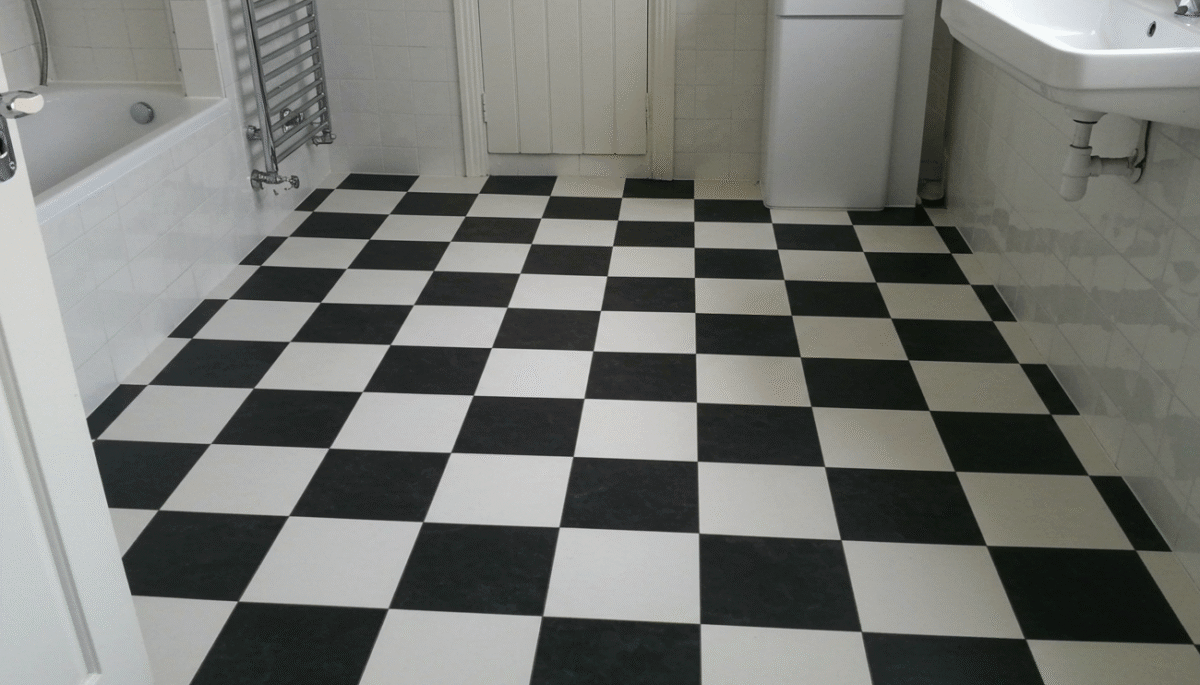
Sheet vinyl flooring is a practical and budget-friendly option that’s easy to install. The continuous roll format and flexibility make it a top choice for many homeowners.
Key features of Sheet Vinyl Flooring
Sheet vinyl comes in large rolls that are 6 or 12 feet wide, which means you can cover most rooms with minimal seams. This smooth coverage keeps water and moisture at bay. Unlike individual tiles that need joining, sheet vinyl usually goes down as one piece.
The material uses synthetic components, mostly PVC, which keeps water out effectively. People often mix it up with linoleum (made from natural materials like linseed oil and limestone), but sheet vinyl’s synthetic makeup helps keep costs down while delivering great results.
Today’s sheet vinyl comes in countless designs that look just like expensive wood, stone, and ceramic tile. You’ll find unique patterns that don’t repeat across your floor. Manufacturers now make sheet vinyl in 3m and 4m widths to fit rooms of any size.
Pros of Sheet Vinyl Flooring
Sheet vinyl flooring brings several great benefits:
- Superior water resistance – The unbroken surface creates an excellent moisture barrier, which works great in wet areas. Fewer seams mean water can’t easily get underneath.
- Extended longevity – Good quality sheet vinyl lasts 10-20 years if you take care of it. This makes it great for busy areas that see lots of foot traffic.
- Simplified maintenance – You only need to sweep regularly and mop occasionally. The protective wear layer fights off stains and spills, so you won’t need to wax or polish it.
- Enhanced comfort – Your feet will thank you as sheet vinyl feels softer than ceramic or stone tile. Premium versions add extra cushioning layers for more comfort.
- DIY-friendly installation – Small spaces often don’t need adhesive, making this one of the easiest floors to install yourself. Larger areas over 24m² might need special tape or adhesive to keep edges flat.
Cost of Sheet Vinyl Flooring
Sheet vinyl ranks among the most affordable flooring options. Basic options start at £6.99 per square metre, while standard choices cost between £10-£16 per square metre. Premium cushioned vinyl with extra features runs around £15.99 per square metre.
Prices change based on:
- Wear layer’s quality and thickness
- Backing type (felt or foam)
- Design complexity
- Brand reputation
Installation costs stay low compared to other flooring types, especially if you do it yourself. Professional installation still costs nowhere near as much as other materials since the subfloor usually needs minimal prep work.
Best rooms for Sheet Vinyl Flooring
Sheet vinyl’s practical features make it perfect for several areas in your home:
Kitchens – The waterproof surface and easy cleanup handle spills and food messes well. Dropped items are less likely to break on the softer surface.
Bathrooms – Sheet vinyl handles moisture better than most flooring materials, standing up to humidity and splashes. The seamless installation keeps water from damaging your subfloor.
Utility rooms – Areas near appliances benefit from sheet vinyl’s moisture resistance and toughness. The surface dries quickly and stops mould and mildew.
Playrooms – Kids get a comfortable surface to play on, and parents get a floor that’s easy to clean after crafts and games.
High-traffic areas – Sheet vinyl’s durability works great in busy hallways and entryways. The wear layer prevents damage in these active zones.
Sheet vinyl flooring proves to be a smart choice for homeowners who want practical, good-looking floors without breaking the bank.
Cork Flooring
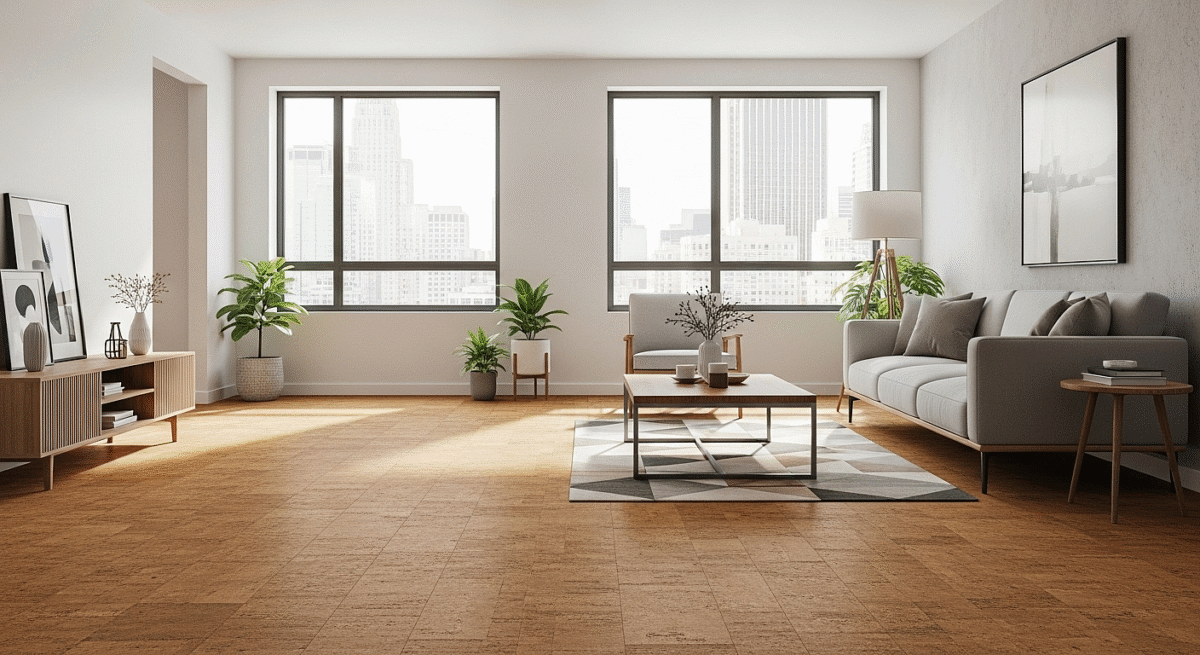
Cork flooring combines natural beauty with practical benefits that set it apart from regular flooring materials. This innovative solution comes from renewable resources.
Key features of Cork Flooring
The bark of cork oak trees native to the Mediterranean region produces cork flooring. Trees remain unharmed during harvesting and can be harvested 15-20 times in their lifetime. The stripped cork trees absorb five times more CO2 during regeneration than unstripped ones, which makes some cork flooring options climate positive.
Cork has about 200 million enclosed air cells in each cubic inch, which creates its soft, cushioned feel. These cells make cork naturally resilient and give it great insulating properties.
You can get cork flooring in tiles and planks with two main installation options: glue-down tiles that need sealing and pre-sealed click-together planks. Click-together planks are easier to install because you can place them over existing flat floors without adhesive.
Pros of Cork Flooring
Cork flooring has several impressive benefits:
- Superior comfort – The cellular structure creates a cushioned surface that reduces strain on feet and joints. This makes it great for areas where people stand a lot.
- Natural insulation – The material helps cut heating costs and provides excellent soundproofing above and below floors.
- Antimicrobial properties – Cork contains suberin, a natural substance that stops mould growth and provides anti-fungal, hypoallergenic qualities.
- Environmental sustainability – Harvesters collect cork without cutting down trees. This renewable resource biodegrades at the end of its life.
- Fire resistance – Cork naturally resists fire and doesn’t release toxic gases when burned.
Cost of Cork Flooring
Materials for cork flooring cost between £35-£50 per square metre, while premium options can go above £60 per square metre. Professional installation adds about £30 per square metre for glue-down installation.
The price depends on thickness, density, pre-finishing, and whether the product comes sealed. Installation costs vary between glue-down tiles and click-together planks.
Cork might cost more upfront than some traditional options, but its durability (15-30 years with proper care) and insulating properties can save money through lower energy bills and less frequent replacements.
Best rooms for Cork Flooring
Cork works well in many areas of your home. Living rooms get the benefits of warmth and sound absorption, which creates cosy, quiet spaces. The cushioned surface makes kitchens more comfortable during long cooking sessions.
Cork makes sense in bedrooms because it feels warm underfoot and reduces noise. Kids’ rooms and playrooms benefit from cork’s soft surface that’s safer for falls.
The material’s sound dampening qualities create quieter home office environments. You can even use cork in bathrooms if properly sealed, though bathrooms with high humidity need good ventilation to prevent warping.
Cork flooring is a versatile option that brings natural charm and practical performance to homes of all sizes.
Bamboo Flooring
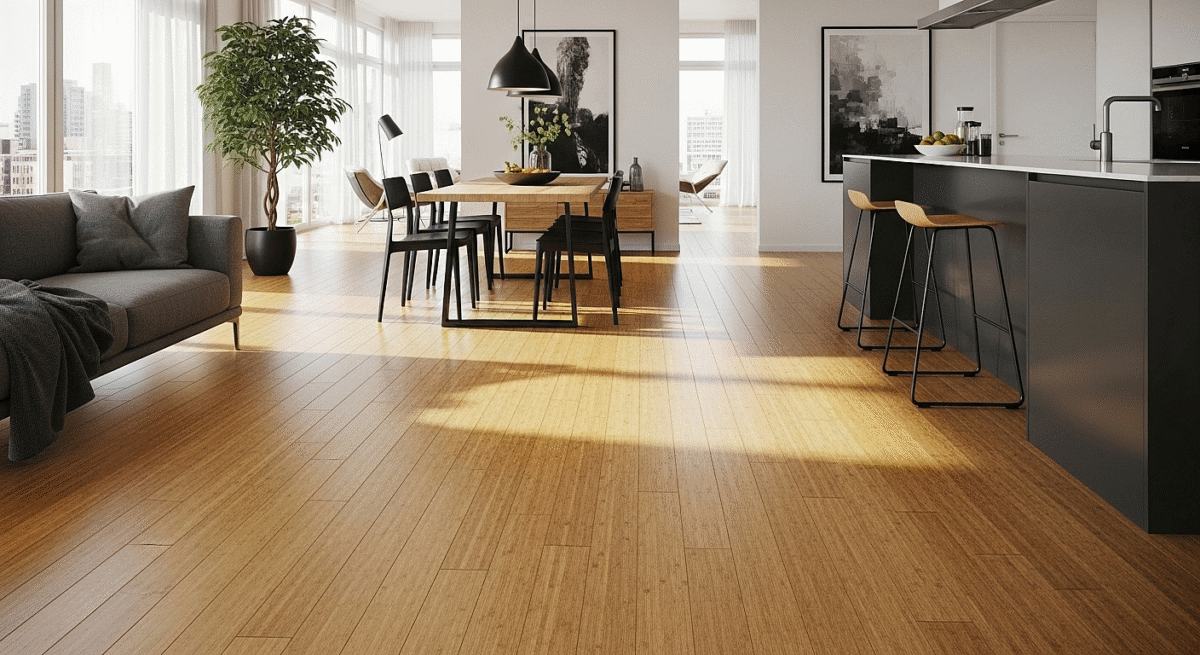
Bamboo stands out among budget-friendly flooring materials as an environmentally responsible resource that combines eco-friendliness with durability. Homeowners looking for sustainable alternatives to traditional hardwood flooring have made this innovative option increasingly popular.
Key features of Bamboo Flooring
Three primary types make up bamboo flooring: horizontal, vertical, and strand-woven. Natural bamboo nodes show up in horizontal and vertical constructions. Strand-woven bamboo creates an exceptionally dense product by compressing shredded bamboo fibres with adhesive under high pressure. The flooring comes in natural light honey tones, darker carbonised finishes from heat treatment, and stained options that look like different wood species.
Bamboo plants mature faster than hardwoods, taking just 5-6 years compared to hardwoods’ decades. Each plant can be harvested multiple times during its lifetime without needing replanting, thanks to this quick growth cycle.
Pros of Bamboo Flooring
Bamboo flooring brings several impressive benefits:
- Exceptional durability – Strand-woven varieties score around 3,270 on the Janka hardness scale—more than twice as hard as Oak and similar to Brazilian redwood. This impressive hardness helps resist dents and daily wear.
- Budget-friendly – Bamboo costs about a third less than average hardwood flooring and offers natural appeal at a more affordable price.
- Environmental sustainability – This faster-growing grass absorbs five times more CO2 during regeneration than unstripped trees.
- Simple maintenance – Regular sweeping and occasional damp mopping keep its appearance fresh.
Cost of Bamboo Flooring
Quality and style determine bamboo flooring’s price. Materials and professional installation typically run between £5.56–£15.88 per square metre. Budget options start under £18 per square metre, while premium selections go up to £33 per square metre.
Best rooms for Bamboo Flooring
Bamboo works well in many areas of your home. Living spaces, hallways, and kitchens benefit from its hard-wearing nature. Bedrooms get bamboo’s natural warmth and comfort. Bathrooms and wet rooms should avoid bamboo because moisture can damage it. Most bamboo flooring types work with underfloor heating systems, making them great options for living spaces of all types.
Carpet Tiles
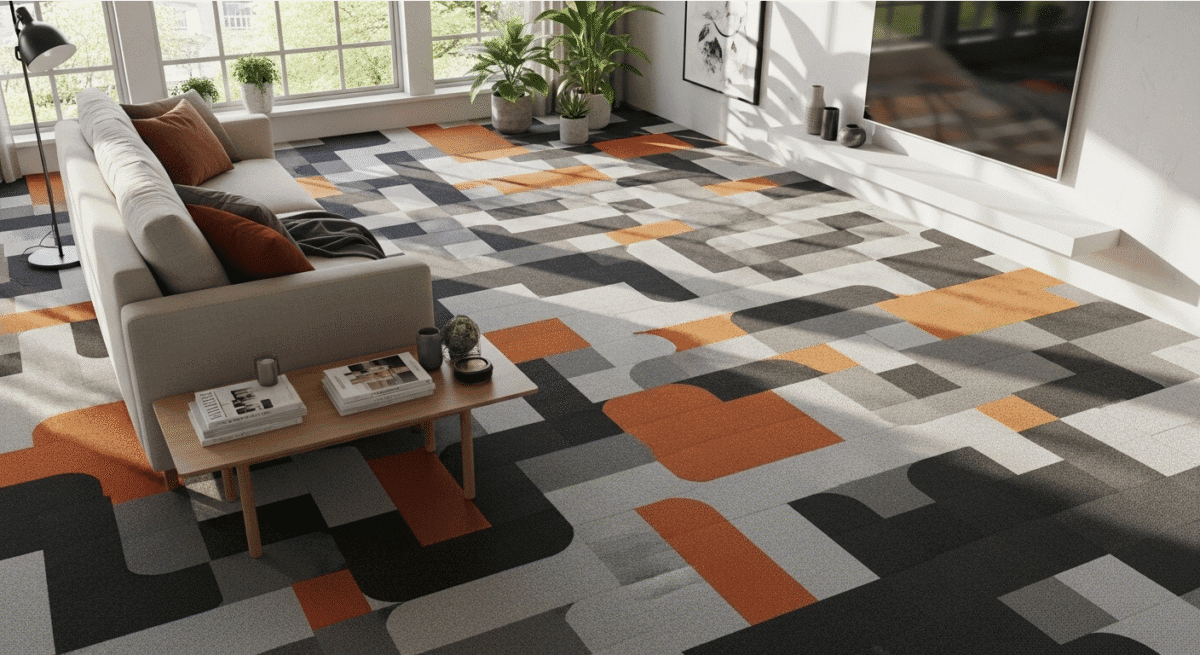
Carpet tiles are a versatile modular flooring solution that blends practicality with creative potential. These square sections of carpeting bring unique advantages over traditional wall-to-wall carpeting.
Key features of Carpet Tiles
Square sections measuring 48×48, 50×50, and 60×60 cm make carpet tiles perfect for spaces of all dimensions. Manufacturers offer different pile types such as loop pile (with uncut yarn loops for superior stain resistance) and cut pile (providing softer feel underfoot). Modern production techniques now allow designs beyond simple squares, including hexagons and triangles. These shapes create distinctive patterns and creative layouts.
Pros of Carpet Tiles
These versatile tiles excel in both commercial and residential settings:
- Durability – Quality tiles last 10-20 years with minimal wear
- Easy replacement – Damaged tiles can be swapped individually without changing the entire floor
- Sound absorption – The layered structure absorbs more structure-borne sound than wall-to-wall carpeting
- Installation flexibility – Many tiles come with peel-and-stick adhesive or interlocking tabs that make DIY installation straightforward
Cost of Carpet Tiles
Prices start at £12 per square metre and go up to £35 per square metre. The budget options provide simple colours with limited durability. Mid-range tiles (£10-£20 per square metre) deliver better quality and castor chair ratings. Premium options (£25+ per square metre) include cushioned backing for extra comfort.
Best rooms for Carpet Tiles
The tiles’ softness makes them perfect for bedrooms. Living rooms benefit from their heat retention and durability. These tiles’ sound-dampening qualities make them ideal for offices and commercial spaces. Stairs become safer with carpet tiles because they reduce slip hazards compared to harder surfaces.
Comparison Table
| Flooring Type | Cost Range (per m²) | Expected Lifespan | Key Benefits | Best Rooms For | Water Resistance |
|---|---|---|---|---|---|
| Laminate Flooring | £5-£30 | 15-25 years | – Scratch resistant\ Easy maintenance\ UV stable\ Simple installation | – Living areas\ Bedrooms\ Hallways\Kitchens | Limited (not recommended for bathrooms) |
| Luxury Vinyl Tiles | £15-£70 | 25-30 years | – Outstanding durability\ Waterproof\ Comfortable underfoot\Easy maintenance | – Kitchens\Bathrooms\Living rooms\Hallways\Basements | Excellent (100% waterproof) |
| Engineered Wood | £30+ | 30+ years | – Better stability\ Refinishing potential\ Authentic appearance\Underfloor heating compatible | – Kitchens\ Living rooms\Bedrooms\Entryways | Moderate (better than solid wood) |
| Sheet Vinyl | £6.99-£16 | 10-20 years | – Strong water resistance\Easy maintenance\Better comfort\DIY-friendly | – Kitchens\Bathrooms\Utility rooms\Playrooms | Excellent (seamless installation) |
| Cork Flooring | £35-£60 | 15-30 years | – Great comfort\Natural insulation\ Antimicrobial\Fire resistant | – Living rooms\Kitchens\Bedrooms\ Home offices | Moderate (requires proper sealing) |
| Bamboo Flooring | £5.56-£33 | Not mentioned | – Outstanding durability\Affordable\Eco-friendly\Easy maintenance | – Hallways\Living spaces\Kitchens\Bedrooms | Poor (not recommended for wet areas) |
| Carpet Tiles | £12-£35 | 10-20 years | – Easy replacement\Sound absorption\Flexible installation\ Durability | – Bedrooms\Living rooms\Offices\Stairs | Limited (not mentioned for wet areas) |
First Choice Flooring SQM Calculator 📐
Conclusion
Your home’s flooring choice depends on three key factors: durability, looks, and cost. This piece explores seven budget-friendly options that give you great value without cutting corners on quality or style.
Laminate flooring is a versatile pick that gives you hardwood’s good looks at half the cost. Luxury vinyl tiles are perfect for bathrooms and kitchens because of their water resistance and toughness. You’ll get solid timber’s authentic appearance with engineered wood, plus better stability at a lower price point.
Sheet vinyl ranks among the most budget-friendly choices and works great in wet areas thanks to its smooth installation. Cork’s benefits include natural insulation and antimicrobial properties, though it costs more upfront. Bamboo gives you an eco-friendly option that’s as hard as exotic hardwoods. Carpet tiles are warm and sound-absorbing, and you can easily replace damaged sections.
The best flooring investment for your home depends on your specific needs. Luxury vinyl or strand-woven bamboo might work best in high-traffic areas. Cork or carpet tiles could be ideal for families with young kids. Sheet vinyl or luxury vinyl tiles should be your top picks if moisture resistance matters most.
Good installation and maintenance will boost your flooring’s lifespan and value. On top of that, it helps that many of these options work well with underfloor heating systems, which could lower your energy bills over time.
This detailed guide gives you the knowledge to pick flooring that saves money and creates beautiful, practical spaces in your home, whether you care most about durability, comfort, environmental impact, or getting the lowest upfront cost.
Key Takeaways
These seven flooring options prove you don’t need to sacrifice quality for affordability when renovating your home in 2025.
• Sheet vinyl offers the best value at £6.99-£16 per m² with 10-20 year lifespan and complete waterproof protection for wet areas
• Laminate flooring provides hardwood aesthetics at half the price (£5-£30 per m²) with excellent durability and simple DIY installation
• Luxury vinyl tiles excel in moisture-prone areas being 100% waterproof whilst lasting 25-30 years, perfect for kitchens and bathrooms
• Engineered wood delivers authentic timber appearance with enhanced stability and refinishing potential at around £50 per m² versus solid wood costs
• Consider room-specific needs when choosing – waterproof options for bathrooms, durable surfaces for high-traffic areas, and comfortable materials for bedrooms
The key to maximising your flooring investment lies in matching each material’s strengths to your specific room requirements whilst factoring in long-term durability and maintenance costs.
FAQs
Q1. What flooring trends can we expect to see in 2025? Geometric patterns are set to be a major trend in 2025 for those looking to make a statement with their flooring. Consider bold herringbone designs, patterned carpets, or intricate mosaic tiles to create a striking focal point in any room.
Q2. Which flooring option offers the best balance of affordability and quality? Vinyl and laminate flooring are typically the most cost-effective options. Both are inexpensive, easy to install (even as a DIY project), and come in a variety of styles that can mimic wood, tile, or stone. Vinyl is particularly suitable for kitchens and bathrooms due to its water-resistant properties.
Q3. What type of flooring provides the best return on investment? Wood flooring, especially modern-looking wide planks, and ceramic tiles generally offer the best return on investment. Ceramic is often preferred over porcelain as it’s more cost-effective and many buyers don’t distinguish between the two. Having multiple flooring materials throughout the house can also increase resale value.
Q4. Which carpet materials are trending for 2025? For 2025, the most comfortable and popular carpet types include high-density cut pile carpets, ultra-soft Saxony carpets, frieze carpets, silk-like fibre carpets, and carpets with memory foam padding. These options prioritise comfort and luxurious living.
Q5. How do sheet vinyl and luxury vinyl tiles compare in terms of value for money? Sheet vinyl offers excellent value at £6.99-£16 per m² with a 10-20 year lifespan and complete waterproof protection, making it ideal for wet areas. Luxury vinyl tiles, while slightly more expensive, provide exceptional durability and 100% waterproof protection, lasting 25-30 years. They’re particularly well-suited for moisture-prone areas like kitchens and bathrooms.