Vinyl vs LVT Flooring
Can’t decide between vinyl and LVT flooring? These popular options might look alike at first, but their differences could shape your home’s future. Regular vinyl floors last about 10 to 15 years, while LVT stays in great shape for 20 to 25 years if you take care of it properly[-4].
Regular vinyl comes as a thin material with wear layers of just 10 to 15 mil (fractions of an inch thick). LVT offers a more robust solution as multi-ply planks or tiles with wear layers from 2 to 8 mm. This is a big deal as it means that LVT holds up better over time. LVT works great in high-traffic areas because it resists scratches, dents and scuffs better than standard vinyl. Your budget plays a role too. Standard vinyl runs between £10-£50 per square metre, and LVT costs around £20-£45 per square metre.
Picking between LVT and vinyl needs careful thought about durability, looks and price. This piece will help you understand what makes these flooring types different, so you can pick the right one for your home in 2025.
Material Composition and Build Quality
The basic difference between vinyl and LVT lies in how they’re made. Their construction tells us why they perform differently and helps you pick the right one for your needs.
Vinyl Flooring Layers: Fibreglass and PVC Base
Regular vinyl flooring combines several thin layers to create a flexible, water-resistant surface. The floor’s foundation has a fibreglass backing that keeps it stable and flat. A solid PVC (polyvinyl chloride) base layer sits on top to add strength and bounce.
Your standard vinyl comes with four main parts stacked like a sandwich:
- A backing layer (usually fibreglass) to keep it stable
- A vinyl layer with PVC composites for structure
- A printed design layer with patterns
- A clear protective wear layer on top
The wear layer on standard vinyl is just 10 to 15 mil thick (10/1000 to 15/1000 of an inch). This explains why it doesn’t hold up well in busy areas. The thin build makes it flexible but less tough than its luxury cousin.
LVT Construction: Multi-layered with Wear and Design Layers
Luxury vinyl flooring takes a smarter approach with four to five carefully crafted layers. It starts with a tough vinyl backing that adds stability and strength. The vinyl core layer above brings depth and bounce while making it comfortable to walk on – something you don’t get with traditional hard floors.
The star of the show is its photographic print layer. It uses high-definition 3D imaging to create wood or stone looks that are amazingly real. The top wear layer shields against scratches, stains, and daily wear and tear.
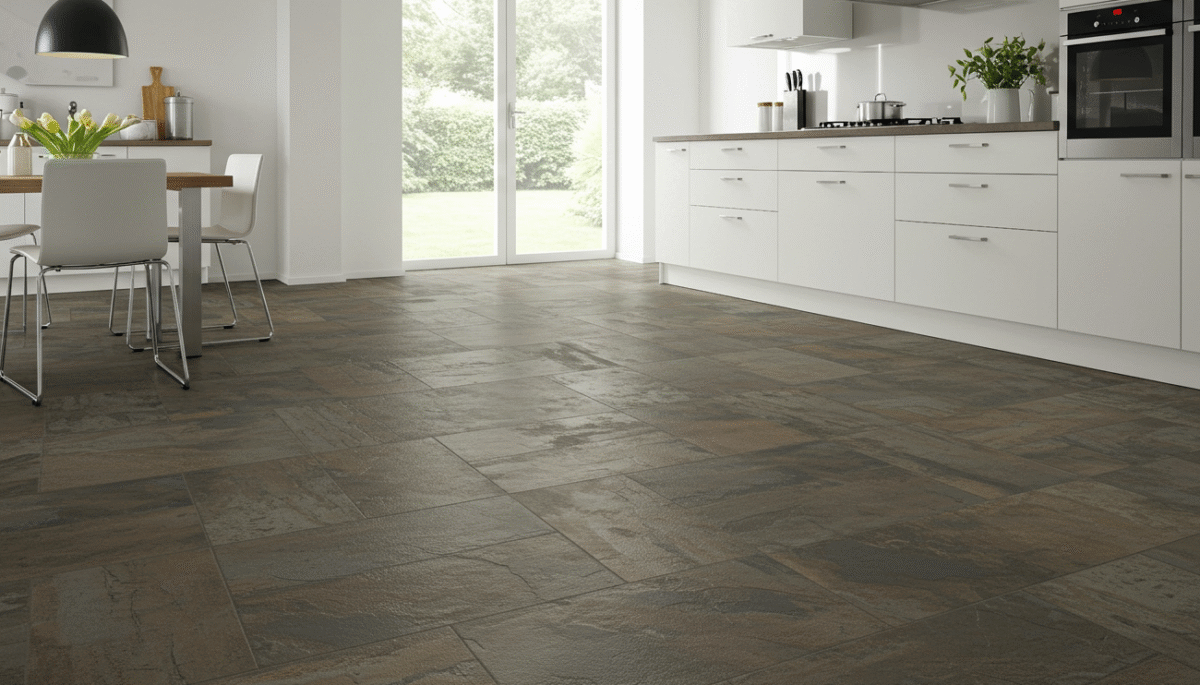
This wear layer plays a crucial role in the floor’s toughness. LVT wear layers run from 0.3mm to 0.7mm thick. The thicker ones (0.55mm and up) work best for busy homes and businesses. Many makers add ceramic beads or aluminium oxide to make these layers even more scratch-resistant.
Thickness Comparison: 2mm–3mm vs 4mm–8mm
You’ll notice right away that vinyl and LVT differ in thickness. Standard vinyl is quite thin at 2mm to 3mm. This makes it less comfy to walk on and doesn’t block much sound.
LVT is a big deal as it means that it’s much thicker. These luxury tiles usually run 4mm to 8mm thick, and some premium options go even beyond that. The extra thickness isn’t just about durability. Thicker LVT feels better underfoot, absorbs more sound, and keeps heat in better.
LVT’s rigid core makes it thicker. Unlike vinyl’s flexible build, luxury vinyl tiles often use dense stone plastic composite (SPC) or wood plastic composite (WPC) cores. These cores keep the floor stable. They also stop dents and hide floor imperfections – something standard vinyl just can’t do.
Visual Appeal and Design Options
Beyond durability and composition, looks often become the deciding factor in the vinyl vs LVT debate. Modern flooring options have evolved into realistic alternatives to natural materials.
Surface Texture: Smooth vs Embossed-in-Register
Your flooring’s tactile experience substantially affects its perceived quality. Traditional vinyl flooring comes with smooth surfaces or simple embossing that doesn’t line up with the printed design. Luxury vinyl tiles take texture to remarkable levels of sophistication through a technique called embossed-in-register (EIR).
EIR technology makes the physical texture line up exactly with the printed image beneath. You’ll feel a corresponding indentation exactly where LVT displays a wood knot or stone fissure visually. Standard embossed vinyl shows random textures that don’t match the printed pattern, which creates a disconnect between visual and tactile elements.
This texture-design sync in LVT creates an engaging surface that enhances depth through light and shadow interplay. The embossed-in-register flooring ended up delivering a more authentic experience underfoot, which you’ll notice as light moves across your floor throughout the day.
Style Variety: Printed Sheets vs Realistic Planks and Tiles
These flooring types’ format difference affects their appearance fundamentally. Standard vinyl comes in continuous sheets with repeating patterns. LVT is made as individual planks or tiles that better mirror their natural counterparts.
Sheet vinyl can offer wood and stone effects, but its continuous nature limits realism. Single sheet printing lacks the depth and variation that separate planks provide. In stark comparison to this, LVT manufacturers design their products to minimise obvious repetition by including multiple pattern variations within a single batch.
Both flooring types offer style options of all types:
- LVT designs: Wood effects (oak, walnut, pine), stone looks (marble, slate, concrete), parquet patterns, and tile replications
- Format versatility: LVT comes in various shapes including rectangular planks, square tiles, and even hexagons or chevrons to create installation patterns like herringbone
Notwithstanding that, sheet vinyl works well with continuous patterns while LVT excels at mimicking discrete elements like individual wood planks or stone tiles.
Best for Wood and Stone Look: LVT Takes the Lead
LVT outperforms standard vinyl for those who just need the most realistic wood or stone appearance without natural materials’ maintenance. High-definition printing technology paired with textured surfaces helps luxury vinyl tiles create convincing replications that fool the casual observer.
LVT’s construction as separate planks or tiles creates authentic-looking grout lines and seams between pieces, which enhances the natural flooring illusion. Wood-effect LVT’s separate planks reinforce the distinct boards you’d expect from genuine hardwood.
Stone replications show the visual difference clearly. Sheet vinyl can approximate stone’s appearance from a distance but doesn’t deal very well with subtle variations and authentic texture found in natural stone. Stone-effect LVT with its textured surface and realistic veining provides more visual depth and authenticity.
Visual realism seekers will find that LVT without doubt provides a more convincing illusion of natural materials in their home.
Durability and Lifespan
The appearance of your new flooring matters, but its longevity and resilience are equally important. Luxury vinyl tiles and standard vinyl show a big difference in durability that affects how your floor performs over decades.
Scratch and Dent Resistance: Thin vs Rigid Core
LVT’s superior scratch resistance comes from its wear layer—a transparent protective coating that shields the design beneath. This vital protective layer in LVT ranges from 0.3mm to 0.7mm thick, and here’s what works best in different settings:
- 0.3mm: Works well for light residential use
- 0.5mm: Perfect for general residential areas
- 0.7mm: Best for commercial or high-traffic zones
Standard vinyl flooring has much thinner wear layers, so it’s more likely to get damaged during daily use. This is why LVT stands up better against scratches and stains than standard vinyl.
The core construction plays a key role in how well the floor resists dents. LVT uses a rigid core construction (often SPC—Stone Plastic Composite) that handles impacts really well. A good LVT core needs to be at least 5mm thick to keep the locking mechanism strong and prevent breakage under pressure. Standard vinyl’s thin, flexible structure doesn’t hold up as well against furniture marks and heavy objects.
Expected Lifespan: 10–15 Years vs 20–30 Years
These durability differences show up clearly in how long each type lasts. Standard vinyl floors usually last 10 to 15 years before they start showing serious wear. Your foot traffic, pets, and how well you maintain the floor can make this time shorter or longer.
LVT floors last much longer because they’re built tougher. With good care, your LVT floor should last 25-30 years. Premium LVT products with thicker wear layers might last even longer in rooms that don’t see much traffic. This longer lifespan makes LVT worth the higher upfront cost.
Thickness and longevity go hand in hand. LVT that’s 2-4mm thick works for low-traffic areas and lasts up to 25 years. The 4-6mm LVT suits medium to high-traffic homes and lasts over 20 years. Commercial spaces do best with 6-8mm LVT, which handles up to 30 years of heavy use.
UV and Heat Resistance: Which One Fades Faster?
Sunlight poses a challenge for both types of flooring. UV rays break down colours and plastics over time, which leads to fading and material breakdown. Both floors will fade if they’re exposed to direct sunlight without UV protection.
A typical LVT floor has several protective layers:
- A wear layer that often contains UV blockers
- A decorative layer with printed design
- A core layer of rigid or flexible PVC
- A backing layer for balance
Quality LVT with UV blockers keeps its colour for 5-10 years under normal UK sunlight. Standard vinyl fades faster because it lacks these special protections. LVT with UV-resistant wear layers works better in sunny spots like conservatories.
Both materials have their limits with heat. High temperatures (above 27°C) can warp either type of flooring. You’ll need to think carefully about installing these floors near heat sources or in conservatories where temperatures change a lot. Both work fine with underfloor heating if installed correctly, though some vinyl products might not work with electric underfloor systems.
You can protect either floor type by adding UV-blocking film to your windows or using light-filtering blinds in sunny rooms.
Water and Heat Resistance
The right choice between vinyl and LVT flooring depends on how well they handle water and heat in rooms that face moisture and temperature changes. These flooring types protect against household spills, but their different structures affect how they perform in challenging environments.
Waterproofing: Seamless Sheets vs Click-Lock Gaps
Standard vinyl’s waterproofing advantage comes from how it’s installed. The continuous sheets create an almost unbroken surface with minimal seams that keeps water from reaching the subfloor. This seamless quality makes vinyl a great choice for wet areas since water has almost nowhere to seep through.
LVT uses individual planks or tiles placed side by side, which creates multiple seams. The planks themselves don’t let water through, but the installation isn’t automatically waterproof. Water might seep through gaps between planks if they’re not fitted correctly. Click-lock LVT systems create tight seals but can’t match sheet vinyl’s seamless protection.
Both materials resist water well by nature. Their vinyl base makes them excellent options for damp-prone spaces, and neither one suffers water damage under normal conditions.
Underfloor Heating Compatibility: Temperature Limits
Properly installed vinyl and LVT work well with underfloor heating, so you won’t have cold bathroom floors in the morning. Temperature limits apply whatever option you pick.
These flooring types should never exceed 27 degrees Celsius. Higher temperatures might warp your flooring and cause permanent damage. This limit works for both water-based (hydronic) and electric underfloor heating systems. You should check manufacturer specifications because some vinyl products don’t work with electric systems.
Professional recommendations for underfloor heating include:
- LVT needs approved underlays with low tog ratings (0.3-0.5) that let heat pass through
- Temperature should increase slowly after installation (no more than 5°C daily) until it reaches the right warmth
- A floor temperature sensor helps prevent overheating, especially in conservatories
Best for Bathrooms and Kitchens: LVT or Vinyl?
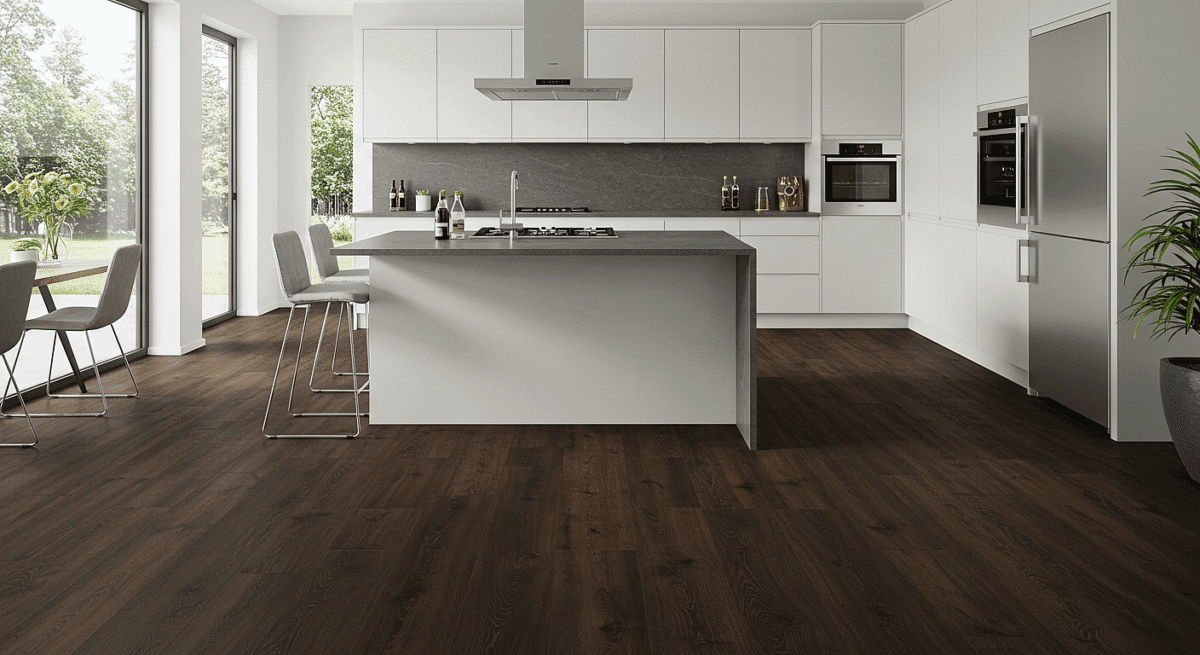
Both flooring options handle steam, splashes and spills well in bathrooms and kitchens. They resist water and clean easily, so your choice might depend on comfort and looks.
Standard vinyl brings excellent practical benefits to these spaces. It protects better against standing water because of its seamless installation, which makes it ideal for bathrooms. The lower cost compared to LVT helps budget-conscious renovators get waterproof flooring without spending too much.
LVT bathroom flooring offers its own benefits. It feels warmer and softer than standard vinyl when you walk barefoot. The multi-layered construction adds comfort that works well in family bathrooms. LVT’s superior design options look like real wood or stone, letting you create high-end looks in wet areas where natural materials wouldn’t work.
Your choice between vinyl and LVT in wet areas ended up depending on what matters most to you – comfort, looks, or budget – rather than just waterproofing abilities.
Installation and DIY Friendliness
The choice between vinyl and LVT flooring often comes down to how simple they are to install. You need to understand the installation process and requirements to get the best performance from your new floor.
Glue-down vs Click-Lock: Which is Easier?
The installation method you choose will affect how hard it is to install and how well your floor performs. Click-lock LVT gives you a great DIY option with planks that snap together without glue or nails. You can install this floating floor system with simple measuring and cutting tools, which makes it perfect for beginners.
Glue-down installation creates a more permanent and stable floor but needs more skill and precision. You must spread adhesive on the subfloor with a notched trowel. We used this method mainly because it needs careful planning to place tiles in the right position.
Click-lock LVT stands out as the better choice for first-time installers. You can achieve professional results even with limited DIY experience.
Subfloor Requirements: Flatness and Prep
The original subfloor prep can make or break your flooring project. Your subfloor must be clean, dry, and level to prevent visible flaws and early wear in both vinyl and LVT.
Key subfloor prep requirements include:
- Getting rid of bumps or uneven spots larger than 1mm over 20cm length
- Keeping moisture levels under 75% relative humidity
- Cleaning off all grease, chemicals and old adhesive
Click-lock LVT handles minor subfloor flaws better thanks to its rigid core and underlay options. Glue-down methods need perfectly smooth surfaces because every small bump or dip will show through eventually.
Tools and Time Needed for Each Type
The tools you need depend on your installation method. Click-lock LVT requires:
- Tape measure and pencil
- Utility knife or jigsaw
- Rubber mallet and tapping block
- Spacers to create expansion gaps
Glue-down installation also needs adhesive and a notched trowel.
Click-lock installation moves faster, and professionals can install 30–40m² in a day. Glue-down methods cover 20–30m² daily and need 24 hours without disturbance for the adhesive to cure. Professionals can finish a standard room in 1-2 days. DIY projects might take up to a week if you’re new to flooring installation.
Cost and Long-Term Value
Money often makes the final call between vinyl and LVT flooring. You’ll make a better choice by looking at both upfront costs and long-term value that matches your needs.
Material Cost per Square Metre: £10–£50 vs £20–£70
The price gap between these flooring options shows their build quality. Basic vinyl costs £10-£50 per square metre for materials. This makes it a budget-friendly choice for home updates. High-end vinyl designs might cost up to £40/m².
LVT prices range from £20-£70 per square metre. The cost varies based on:
- Quality tier (budget, mid-range, premium)
- Wear layer thickness (thicker = more expensive)
- Design complexity (embossed textures cost more)
You’ll find mid-range LVT materials between £20-£40/m². Premium options with better textures or waterproof features can go above £50/m².
Installation Costs: DIY vs Professional
Professional installation adds a big chunk to your flooring budget. Vinyl installation runs between £12-£20/m². LVT costs a bit more at £15-£25/m².
Here’s a clear breakdown:
| Flooring Type | Material Cost (per m²) | Labour Cost (per m²) | Total Cost Range (per m²) |
|---|---|---|---|
| Vinyl | £10–£50 | £12–£20 | £22–£70 |
| LVT | £20–£70 | £15–£25 | £35–£95 |
DIY installation could save you £12-£30/m² in labour costs. But this comes with risks. Uneven surfaces, gaps, and voided warranties are real concerns. Mistakes might damage materials or cause early wear. You might end up spending more on professional fixes than you saved.
Resale Value and Perceived Quality
Your choice of flooring can affect your property’s value. Buyers look for three main things: style, durability, and neutral designs they won’t need to replace.
LVT adds more value to your home. Buyers love its realistic look, water resistance and toughness. LVT gives you the best bang for your buck when you’re selling on a budget.
LVT’s durability means it stays looking good longer, which means less frequent replacements. Smart buyers see this as a big plus. Quality LVT is a smart investment that pays off through better looks, easier maintenance, and lasting quality that buyers notice right away.
Comparison Table
| Feature | Standard Vinyl | Luxury Vinyl Tiles (LVT) |
|---|---|---|
| Thickness | 2-3mm | 4-8mm |
| Wear Layer | 10-15 mil | 0.3-0.7mm |
| Expected Lifespan | 10-15 years | 20-30 years |
| Material Cost (per m²) | £10-£50 | £20-£70 |
| Installation Cost (per m²) | £12-£20 | £15-£25 |
| Construction | Thin layers with fibreglass backing | Multi-layered with rigid core |
| Installation Method | Uninterrupted sheets | Click-lock planks/tiles |
| Surface Texture | Smooth or simple embossing | Embossed-in-register (EIR) |
| Water Resistance | Excellent (uninterrupted) | Good (with seams) |
| Design Options | Continuous sheets with repeating patterns | Individual planks/tiles with varied patterns |
| Underfloor Heating | Compatible (max 27°C) | Compatible (max 27°C) |
| Scratch Resistance | Lower | Higher |
| Best Suited For | Budget renovations, wet areas | High-traffic areas, premium installations |
Conclusion
Your choice between vinyl and LVT flooring depends on your needs, budget, and long-term plans. Standard vinyl works best for budget-conscious homeowners who want waterproof flooring with minimal seams. This makes it perfect for bathrooms where water tends to collect. Vinyl’s lower upfront cost makes it a great pick for quick renovations or rental properties.
LVT is the better choice if you plan to stay in your home for decades. You’ll need to spend more money upfront, but luxury vinyl tiles are substantially more durable thanks to their thicker build and resilient wear layers. These tiles also look more premium with their realistic textures – something vinyl sheets just can’t match.
Let practical needs guide your choice. LVT’s scratch resistance and longer lifespan work great in high-traffic areas, but vinyl might be your pick if you’re on a tight budget. DIY fans will love how easy it is to install LVT with its click-lock system, unlike vinyl’s trickier glue-down method.
Take time to think about what matters most to you. Do you care more about vinyl sheets’ uninterrupted waterproofing or LVT planks’ authentic look? Can you afford the premium option, or would vinyl’s cost savings help you more right now? This piece outlines clear differences in durability, looks, and installation methods to help you pick the flooring that fits your lifestyle, style, and budget.
Both options are excellent substitutes for natural materials and give you great water resistance with easy upkeep. Your new floor will transform your space with attractive, practical results that last for years, whatever option you choose.
Key Takeaways
Understanding the fundamental differences between vinyl and LVT flooring will help you make an informed decision that balances durability, aesthetics, and budget for your home renovation project.
• LVT offers superior longevity: Luxury vinyl tiles last 20-30 years compared to standard vinyl’s 10-15 years, making LVT more cost-effective long-term despite higher upfront costs.
• Construction quality determines performance: LVT’s thicker build (4-8mm) with robust wear layers provides better scratch resistance than vinyl’s thin 2-3mm construction.
• Installation method affects suitability: Vinyl’s seamless sheets excel in wet areas, whilst LVT’s click-lock planks offer easier DIY installation and more realistic wood/stone appearance.
• Budget considerations vary significantly: Standard vinyl costs £10-£50 per m², whilst LVT ranges £20-£70 per m², with installation adding £12-£25 per m² respectively.
• Choose based on your priorities: Select vinyl for budget-conscious waterproof solutions in bathrooms, or choose LVT for high-traffic areas requiring premium aesthetics and extended durability.
Both options provide excellent water resistance and low maintenance compared to natural materials, ensuring your investment delivers practical benefits regardless of which you choose.
FAQs
Q1. What are the key differences between vinyl and LVT flooring? Vinyl flooring is thinner (2-3mm) with a lifespan of 10-15 years, while LVT is thicker (4-8mm) and lasts 20-30 years. LVT offers superior durability, more realistic designs, and better scratch resistance, but comes at a higher cost than standard vinyl.
Q2. Which flooring option is best for bathrooms and kitchens? Both vinyl and LVT are suitable for wet areas, but vinyl’s seamless installation provides better protection against standing water. LVT offers more comfort underfoot and superior aesthetics, making it ideal for family bathrooms and stylish kitchens.
Q3. How do installation methods differ between vinyl and LVT? Vinyl typically requires professional glue-down installation, while LVT often features DIY-friendly click-lock systems. Vinyl installation creates a seamless surface, whereas LVT is installed as individual planks or tiles, potentially leaving small gaps between pieces.
Q4. What are the cost implications of choosing vinyl vs LVT? Vinyl is generally more budget-friendly, costing £10-£50 per square metre for materials, while LVT ranges from £20-£70 per square metre. Installation costs are slightly higher for LVT, but its longer lifespan may offer better long-term value.
Q5. How do vinyl and LVT compare in terms of design options? LVT offers more realistic wood and stone looks with embossed-in-register textures that align with the printed design. Vinyl comes in continuous sheets with repeating patterns, limiting its ability to mimic natural materials as convincingly as LVT.