How to Choose Carpet Like an Expert
Your carpet choice can make or break a room. Did you know that carpet face weight ranges from 20 to 100 ounces, with most home carpets sitting between 35 to 60 ounces? Yet here’s what carpet salespeople rarely tell you – face weight alone won’t guarantee quality.
Walk into any carpet shop and you’ll face a bewildering array of prices. Basic synthetic options start at just a few pounds per square metre, while premium wool carpets can cost over £100. But here’s the thing – a higher face weight doesn’t automatically mean better carpet quality.
What really matters? Density, pile type, and material work together to determine whether you’re getting the best carpet for your money.
Why does choosing the right carpet feel so complicated?
You’re not alone if carpet shopping feels overwhelming. Between technical jargon, conflicting advice, and pushy sales tactics, finding the perfect carpet for your home shouldn’t require a degree in textile engineering. Whether you’re tackling a busy hallway or creating a cosy bedroom retreat, understanding carpet basics will save you money and future headaches.
The secret lies in density – denser carpets feel more comfortable underfoot and last significantly longer. For high-traffic areas like hallways and stairs, loop pile carpets excel because of their exceptional durability and bounce-back qualities.
Ready to become a carpet expert? Let’s explore how to choose the perfect carpet for your home and budget.
Understand What Affects Carpet Quality
Carpet quality isn’t about what looks prettiest in the showroom. The technical specifications determine how your carpet will actually perform once it’s down in your home.
Face weight and density explained
Face weight measures the amount of fibre used in one square yard of carpet, expressed in ounces. Most shoppers get fixated on this number, but it doesn’t tell the complete story about durability. Carpets typically range from 20 to 80 ounces per square yard, with domestic carpets usually falling between 35 to 60 ounces.
Here’s what matters more – density. This refers to how closely packed the fibres are within the carpet backing. Want to check density yourself? Try the ‘grin test‘ – bend a carpet sample backwards and observe how much backing shows through. The less backing you can see, the higher the density.
Two identical carpets can perform completely differently based on density alone. A carpet with lower face weight but high density can actually outperform a high face weight, low-density option. This explains why some seemingly luxurious carpets flatten quickly under furniture or foot traffic.
Why fibre twist matters
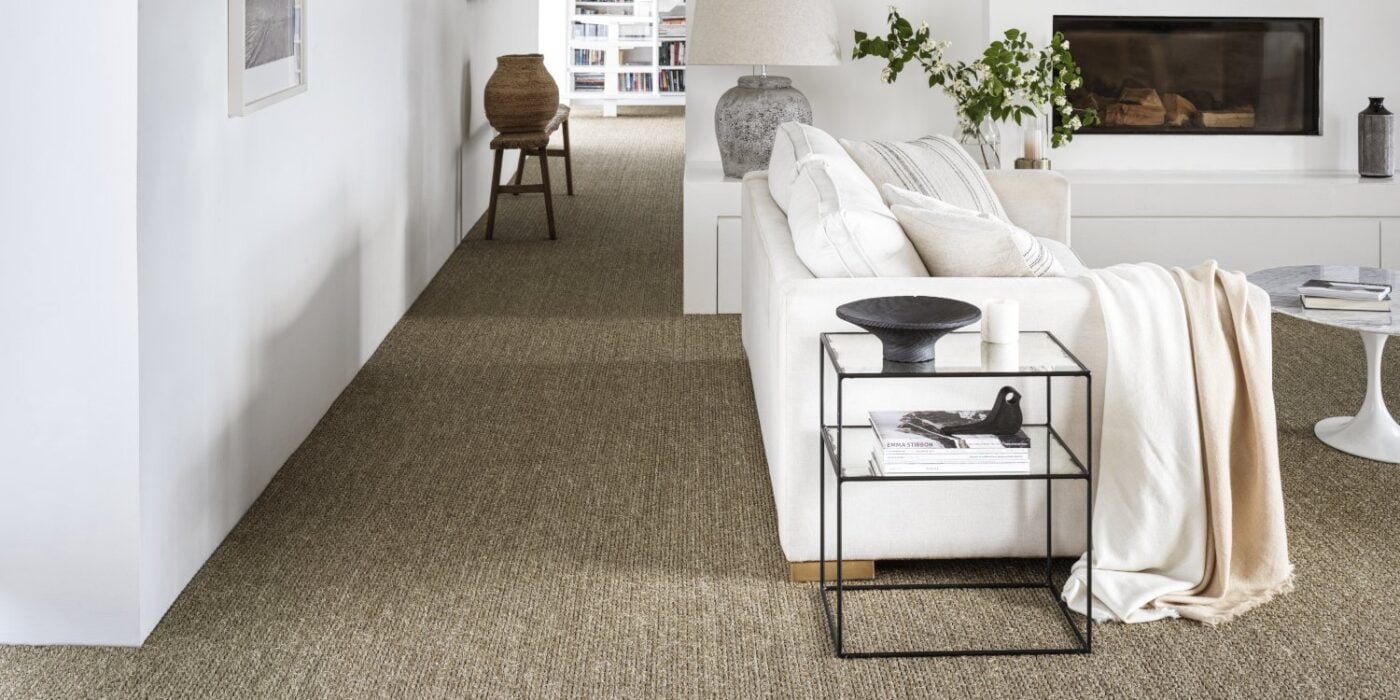
Twist level significantly impacts durability, yet most people overlook this completely. Twist refers to how many times fibres turn around themselves within one inch, measured as twists per inch (TPI).
Higher twist numbers mean better quality and durability. A twist number of 5 or higher is generally considered good, while 7 or 8 indicates premium-quality carpet. Tightly twisted fibres resist crushing and matting, especially crucial for hallways and stairs.
You can determine twist level yourself. Separate a strand of carpet fibre, measure one inch, and count the twists. For shorter pile carpets, measure half an inch and multiply by two. This simple test reveals how well the carpet will maintain its appearance over time.
Carpets with high twist levels bounce back to their original shape rather than flattening out. Plus, tight twists create a textured appearance that cleverly hides footprints and dirt.
How pile type impacts durability
Pile type refers to how carpet fibres are constructed and attached to the backing. This fundamental characteristic dramatically affects both appearance and performance.
Loop pile carpets, where fibres form complete loops, offer superior durability and resistance to crushing compared to cut pile options. Their structure allows them to rebound when subjected to pressure, making them excellent choices for high-traffic areas. Carpets with short, tightly packed loops particularly excel at blocking dirt.
Cut pile carpets feel softer underfoot but generally don’t match the durability of loop piles. Within cut pile carpets, those with higher twist levels perform better. The manufacturing process also matters – tufted carpet is most common, while woven carpets tend to offer greater durability, especially when backed with rubber or bitumen.
Takeaway Tip: For busy areas like hallways and stairs, prioritise short, dense carpets with tightly twisted fibres. These characteristics work together to create resilience against daily wear.
Remember, synthetics typically offer better durability than natural fibres in high-traffic zones. Don’t let showroom softness fool you into choosing the wrong carpet for your space.
Explore Carpet Types in the UK
What carpet construction should you choose?
The UK carpet market offers two main manufacturing methods, each with distinct advantages for your home. Understanding these differences will help you make the right choice for your budget and lifestyle needs.
Woven vs tufted carpets
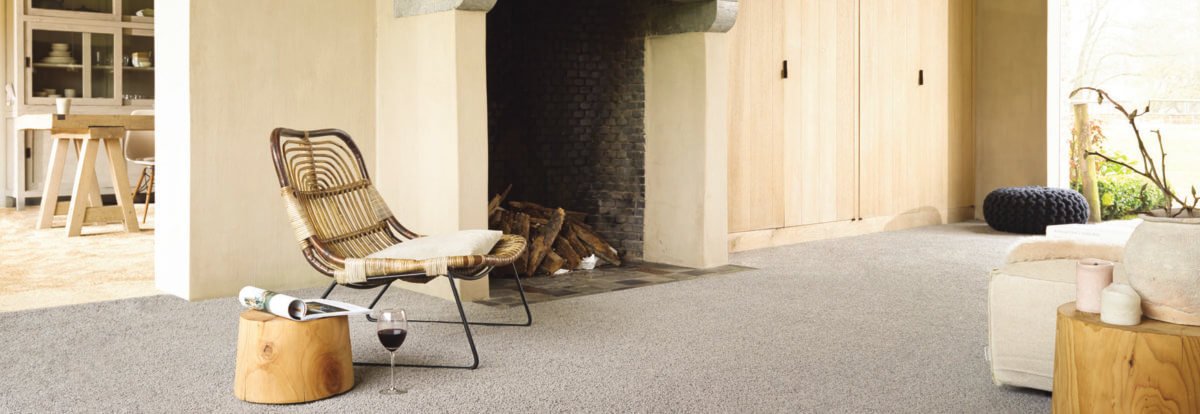
Woven carpets represent the traditional approach to carpet making. Picture yarn being woven together on looms, where pile and backing become one integrated structure. This labour-intensive process creates exceptionally durable carpets that can serve your home for over 20 years. Think of woven carpets as the luxury option – perfect for formal dining rooms or areas where you want to make a statement.
Tufted carpets take a different approach. Yarn gets punched into backing material using tufting machines, then secured with adhesive and secondary backing. This streamlined process makes tufted carpets more affordable and accounts for over 80% of UK carpet sales. While they won’t last as long as woven options, quality tufted carpets still provide 5-10 years of reliable service.
Here’s how they compare:
| Feature | Woven Carpets | Tufted Carpets |
|---|---|---|
| Construction | Yarn woven into backing | Yarn inserted and glued |
| Durability | Very high (20+ years) | Moderate (5-10 years) |
| Cost | Premium-priced | Budget-friendly |
| Best For | Luxury areas, formal spaces | General home use, offices |
Cut pile, loop pile, and cut-loop pile
Cut pile carpets offer that plush, luxurious feeling under your feet. The yarn loops are cut at the tips, creating a soft surface that’s perfect for bedrooms and living rooms. Within cut pile styles, you’ll find plush carpets for formal looks, saxony with softer twisted fibres, and frieze with tight twists for casual spaces.
Loop pile carpets keep their loops intact, resulting in a more textured, durable surface. These carpets bounce back from crushing and matting, making them ideal for busy areas. Berber styles feature large, thick loops, while level loop carpets maintain uniform height throughout.
Cut-and-loop pile gives you the best of both worlds. This versatile style combines cutting and looping techniques to create intricate patterns and textures.
Best carpet to buy for high-traffic areas
Hallways, stairs, and family rooms demand carpets that can handle constant footfall without showing wear. Loop pile carpets, especially Berber styles, outperform almost everything else in these challenging spaces. Their construction naturally resists crushing and matting.

Material matters for busy areas:
Polypropylene carpets excel at resisting stains and wear, making them practical choices for high-traffic zones. These synthetic fibres won’t fade or absorb moisture, plus they remain budget-friendly.
Wool loop carpets provide natural durability with luxury appeal. They cost more upfront but maintain their shape under heavy use while offering superior insulation.
Nylon carpets deliver excellent bounce-back qualities, perfect for stairs and corridors. They resist furniture indentations and spring back to their original shape.
Takeaway Tip: Short pile carpets (under 2cm) perform better in high-traffic zones because they compress less underfoot. Tightly twisted fibres in level loop constructions add extra resilience against daily wear.
When selecting carpet for your busiest areas, prioritise density over initial softness. Consider darker colours or subtle patterns that hide soil between cleanings – your future self will thank you.
Choose the Right Carpet Material
Your carpet material choice determines everything from how long it lasts to how often you’ll be cleaning up spills. Getting this decision right can save you both money and countless headaches down the road.
Synthetic fibres: the practical choices
Nylon deserves its reputation as the superhero of synthetic carpets. This resilient material springs back after compression like nothing else, making it perfect for busy hallways and stairs. Yes, nylon costs slightly more than other synthetics, but it rewards you with excellent stain resistance and colour that won’t fade. Many nylon carpets come with built-in stain-resistant technology straight from the factory.
Polyester feels wonderfully soft – almost like wool – but without the premium price tag. This material excels at holding vibrant colours that stay true for years. The catch? Polyester fibres can flatten over time in high-traffic areas. For bedrooms and quiet living spaces where comfort matters more than durability, polyester offers an excellent balance of luxury feel and affordability.
Polypropylene wins hands down for budget-conscious families. Expect to pay between £27.80-£47.65 per square metre compared to nylon’s £47.65-£95.30. This practical choice resists water-based stains brilliantly – you can even clean some varieties with diluted bleach. However, polypropylene struggles with oil-based stains and doesn’t bounce back like nylon.
Natural fibres: luxury with responsibility

Wool remains the gold standard for carpet luxury and natural performance. This premium option naturally resists dirt through its protective outer layer whilst offering excellent resilience. Properly maintained wool carpets can look stunning for over 20 years. The trade-off? Wool absorbs moisture more readily and needs professional cleaning occasionally.
Sisal brings impressive durability from the agave plant, making it surprisingly suitable for busy areas. These tough natural fibres resist wear exceptionally well while providing excellent sound absorption. Just remember that sisal’s high absorbency makes water staining a concern.
Jute offers a softer natural option that feels particularly comfortable underfoot. Whilst less durable than sisal, jute carpets add warmth and texture to bedrooms or relaxed living spaces. Both jute and sisal represent environmentally responsible choices as they grow quickly with minimal resources.
Which material suits your lifestyle?
Families with young children or pets should prioritise stain resistance and easy cleaning – polypropylene or treated nylon excel here. Allergy sufferers often find synthetics more suitable as they resist dust mites and mould better than natural fibres.
Budget-conscious? Consider polypropylene for affordability or polyester where you want comfort without breaking the bank. For long-term investment, wool’s exceptional longevity justifies its higher upfront cost.
Your carpet choice comes down to balancing durability, comfort, maintenance needs, and budget. High-traffic areas demand tough materials like nylon or sisal, while bedrooms benefit from the softness that wool or polyester provide.
Match Carpet to Room Function
Every room in your home tells a different story. Your bedroom should feel like a personal retreat, whilst your hallway needs to handle the daily rush of family life. Choosing carpet based on how you actually live in each space will save you years of frustration.
Best carpet for bedrooms and living rooms
Create your bedroom sanctuary
Nothing beats sinking your toes into plush, deep pile carpet first thing in the morning. Wool carpets shine here, offering natural warmth that regulates temperature beautifully throughout the year. Saxony carpets made from nylon or polyester deliver similar luxury with that wonderfully plush texture that makes relaxation effortless.
Your bedroom carpet should pamper you, not worry you about maintenance or durability.
Living rooms need strategic thinking
Living rooms work hard as your home’s social hub. You need carpet that looks stylish but won’t show every footprint or pet hair. Wool carpets bounce back beautifully after compression, making them perfect for entertaining spaces. Got children or pets? Polypropylene offers superior stain resistance and cleaning ease – because life happens.
Durable options for stairs and hallways
Stairs and hallways take a proper beating. These high-traffic zones demand carpets built to last:
- Low-pile, densely woven options that resist crushing
- Loop pile carpets, especially Berber styles, which spring back under constant use
- Mid-tone flecked or patterned designs that cleverly hide dirt between cleanings
Wool loop carpets provide excellent resilience with natural durability. Polypropylene carpets offer exceptional toughness at friendlier prices. Many experts swear by herringbone patterns for hallways – they hide dirt whilst adding visual appeal.
Moisture-resistant carpets for kitchens and bathrooms

Yes, you can have carpet in wet areas
Flotex breaks all the rules. This clever flooring uses approximately 60 million vertical nylon fibres per square metre, giving you carpet comfort with vinyl-like moisture resistance. The upright fibres don’t trap liquids or dirt, making them surprisingly practical for kitchens.
Bathroom carpets exist too. Specialised waterproof carpets with gel backing tackle humidity head-on. These provide warmth underfoot whilst protecting against moisture damage. Their waterproof backing means no underlay needed – install them straight onto bathroom floors.
Remember, carpet performance depends on more than just material. Construction quality and proper backing make all the difference. Quality underlay enhances both insulation and comfort throughout your home.
Save Money Without Compromising Quality
Smart shopping tactics can slash your carpet costs without sacrificing quality. Ready to become a savvy carpet shopper?
How to compare carpet prices per m²
Always calculate your total cost by multiplying the price per square metre by your room area. Use online carpet calculators for accurate estimates. Prices vary wildly – from £5 per square metre for basic options to over £100 for premium carpets. Here’s what you can expect:
- Budget range: £5-£9 per m² (3-5 year lifespan)
- Mid-range: £10-£25 per m² (6-12 year lifespan)
- Luxury: £30-£100+ per m² (12-20 year lifespan)
Don’t automatically assume the most expensive option suits your needs best. A well-chosen mid-range carpet often outperforms a poorly selected premium one.
When to buy for the best deals
Timing your purchase can save you hundreds of pounds. January, July, and November typically offer the best carpet sales. Prices start dropping mid-December and continue through January sales.
Hunt for discontinued lines – they often come with massive discounts. Just make sure you have a backup choice if stock runs out.
Using remnants and offcuts wisely
Carpet remnants offer fantastic value for smaller spaces. These leftover pieces from larger installations sell at significant discounts. You can also use offcuts for practical purposes like doormats, furniture protectors, or car mats.
Choosing the right underlay for insulation and comfort
Never skimp on underlay – it extends carpet life by up to 50%. Choose underlay with a high Tog rating (2.5+) for better insulation in your home. Quality underlay costs £3-£5 per m² but dramatically improves comfort whilst reducing your energy bills.
Think of underlay as an investment that pays dividends through improved comfort and carpet longevity.
Your carpet shopping journey starts here
You now have the insider knowledge to choose carpet like a pro. Understanding that density trumps face weight, that twist levels determine longevity, and that construction methods affect both quality and price – these insights put you ahead of most shoppers walking into carpet retailers.
Your material choice should match your lifestyle perfectly. Nylon delivers unbeatable resilience for busy family areas, whilst wool creates that luxury feel worth the investment. Got young children or pets? Polypropylene offers brilliant stain resistance without breaking the budget.
Remember, every room tells a different story.
Bedrooms deserve plush comfort that welcomes bare feet. Hallways and stairs need tough, dense options that laugh in the face of daily traffic. Even kitchens and bathrooms can embrace specialist carpet solutions designed for moisture challenges.
Smart shopping makes all the difference to your wallet. Hit the January and July sales, snap up remnants for smaller spaces, and never, ever skimp on quality underlay. That modest investment extends carpet life by up to 50% – now that’s what we call value for money.
The perfect carpet isn’t necessarily the most expensive one on display. It’s the carpet that suits your family’s needs, fits your budget, and delivers the right performance for each space in your home.
Armed with this knowledge, you can walk into any carpet shop with confidence, ask the right questions, and make decisions that you’ll be happy with for years to come.
Key Takeaways
Types of flooring.Understanding carpet specifications and shopping strategically can save you hundreds whilst ensuring you get the right flooring for your home’s needs.
• Density matters more than face weight – Check how tightly packed fibres are using the ‘grin test’ rather than focusing solely on ounce measurements for true durability assessment.
• Match material to room function – Use nylon or polypropylene for high-traffic areas, wool for luxury comfort zones, and specialised moisture-resistant options for kitchens.
• Invest in quality underlay – Proper underlay extends carpet life by up to 50% and costs just £3-£5 per m², making it essential for long-term value.
• Shop during sales periods – January, July, and November offer the best carpet deals, whilst remnants provide excellent value for smaller spaces at significant discounts.
• Prioritise twist level for durability – Look for 5+ twists per inch in high-traffic areas, as tightly twisted fibres resist crushing and maintain appearance longer than loose constructions.
When choosing carpet, technical specifications trump initial appearance. A dense, well-constructed carpet with proper underlay will outperform expensive options lacking these fundamentals, ensuring your investment provides years of comfort and style.
FAQs
Q1. What’s the best carpet material for high-traffic areas in UK homes? For high-traffic areas like hallways and stairs, loop pile carpets made from nylon or polypropylene are excellent choices. These materials offer superior durability and resilience, maintaining their appearance even under frequent use.
Q2. How can I save money when buying carpet without compromising on quality? To save money, shop during January or July sales, consider using carpet remnants for smaller spaces, and never skimp on underlay. Quality underlay can extend carpet life by up to 50%, offering better value in the long run.
Q3. What should I look for when choosing carpet for a bedroom? For bedrooms, prioritise comfort with plush, deep pile carpets. Wool or polyester carpets offer luxurious softness and warmth underfoot. Look for Saxony styles or those with a high face weight for a cosy feel.
Q4. Is it possible to have carpet in moisture-prone areas like kitchens and bathrooms? Yes, specialised carpets are available for moisture-prone areas. For kitchens, consider Flotex, which offers carpet-like comfort with vinyl-like moisture resistance. For bathrooms, look for waterproof carpets with gel backing designed to combat humidity.
Q5. How important is carpet density, and how can I check it? Carpet density is crucial for durability and comfort. To check density, perform the ‘grin test’ by bending a carpet sample backwards. The less backing visible, the higher the density. Dense carpets generally outperform those with higher face weight but lower density.