Carpet Trends
Wall-to-wall carpeting is making a notable return to interior design, with experts predicting a shift away from the hard surfaces that have dominated homes in recent years. Designers are reporting increased interest in warmer, softer flooring options as homeowners reconsider their approach to comfort and style. Wall-to-wall carpet and painted floors are expected to feature prominently in upcoming design trends.
This movement represents more than aesthetic preference. Homeowners are moving away from the cooler tones and minimalist approaches that characterised recent years, instead embracing warmer colours and textures.
Modern carpet selections are departing from sterile office greys and stark whites, with designers focusing on options that combine visual appeal with practical comfort. Terracotta, rust, caramel and soft browns are gaining particular attention for their ability to create cosier living environments—qualities that have become priorities for both homeowners and interior professionals.
Environmental considerations are also shaping carpet choices, with sustainability becoming a key factor in flooring decisions. Eco-conscious options and certified sustainable products are increasingly popular as consumers seek responsible alternatives. Understanding these emerging trends can help you make informed decisions that balance style, comfort and environmental responsibility when choosing carpet for your home.
Carpet colours are getting cosier again
Interior designers are noting a clear shift away from the cool tones that have dominated homes in recent years. After a prolonged period of grey-led schemes, carpet colours are embracing warmer hues that create more inviting living spaces. This change reflects how homeowners are rethinking their relationship with their home environment.
Why warm tones are replacing cool greys
Cool greys have been the go-to choice for many years, but designers are now favouring warmer neutrals that help create calm, inviting spaces. These earthy tones work particularly well in softer light conditions, making rooms feel both open and comfortable. Industry experts are calling 2026 “the year of the earth,” with soft clay, terracotta blush, and sandstone beige expected to lead colour trends.
This shift isn’t simply about following fashion. Warmer carpet tones offer practical advantages, adding depth and character to interiors when paired with natural materials like oak and stone. These colours also tend to conceal everyday wear more effectively than their cooler counterparts, making them particularly suitable for busy households.
The most popular warm carpet shades
Several specific warm tones are gaining particular attention:
1. Honey Described as “caramel golden, thoughtful with a natural warmth,” honey represents a distinct evolution from traditional beige.
2. Caramel This rich, versatile neutral adds both sophistication and warmth to any interior space.
3. Chestnut Characterised as “rich and dreamy, an elegant evolution of colour,” chestnut brings depth to room schemes.
Additional warming tones like terracotta and rust are also gaining popularity for their ability to add earthy dimension to neutral spaces. These shades work exceptionally well alongside cream-coloured furniture or dark green pieces—a combination that has become increasingly fashionable.
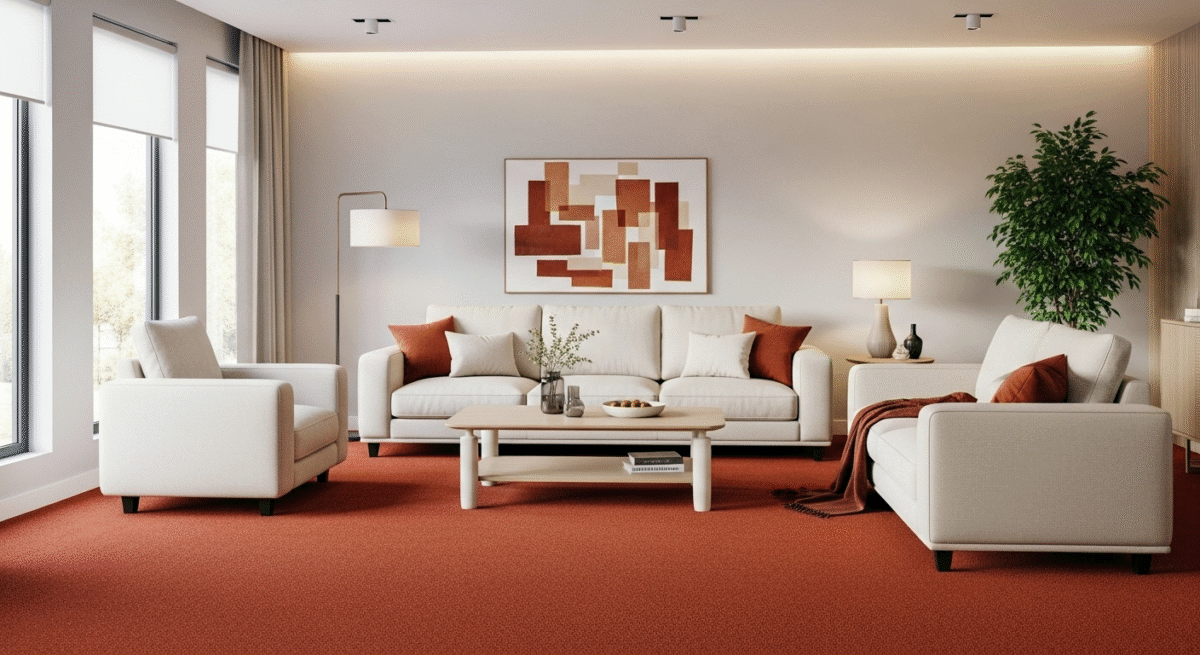
How warm carpet colours change your living space
Warm-toned carpets can fundamentally alter how you experience your home. They create cosier, more intimate environments that naturally encourage conversation and socialising. These colours also evoke feelings of security and comfort through their connection to natural elements, firelight, and sunset tones.
Warm carpets prove particularly effective in large open-plan areas that need visual grounding. They help define different zones whilst anchoring furniture arrangements, adding both visual and emotional warmth to the space. Even neutral colours with golden undertones feel substantially warmer than those with grey-blue notes, dramatically changing a room’s atmosphere without requiring structural alterations.
Why plush carpets are gaining popularity
Hard flooring has dominated homes for several years, but plush carpets are now experiencing renewed interest. The appeal of soft, deep pile underfoot is becoming a priority for homeowners who want both comfort and style in their living spaces.
What’s driving the return to wall-to-wall carpet
Wall-to-wall carpeting is “definitely having a bit of a moment now”, according to industry experts. This revival reflects a growing desire for “cosiness and warmth” in homes—particularly relevant as energy costs continue to rise. Design professionals predict that carpet will “take preference over hard flooring” in the coming year.
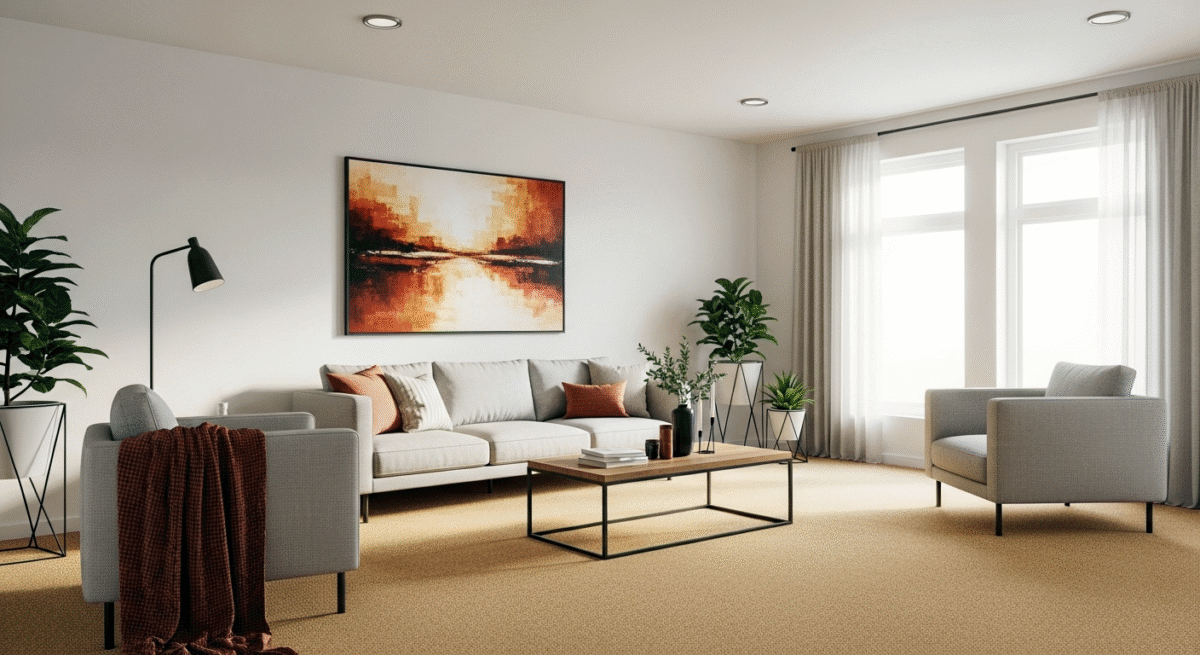
High-pile options are leading this comeback. Saxony and velvet-textured carpets offer luxurious softness that works particularly well in bedrooms and living areas. These plush varieties provide more than comfort—they create a “nurturing, inviting quality” in spaces designed for relaxation. Cut and loop carpet designs with varying pile heights have seen “significant increase in demand” as they add textural depth to rooms.
How layered rugs create warmth and interest
Rug layering has become a popular technique, whether overlapping rugs or placing them side by side to create visual interest and practical warmth. Consumer interest in this approach is strong, with one company reporting a 67% surge in website traffic for their washable rugs.
This layering approach works with different textures and applications. You might place a bold rug over hard floors to soften the space, or use a patterned rug on top of neutral carpet for added dimension. “Adding a rug over carpet” can introduce extra texture even in already carpeted rooms.
Can plush carpets work with underfloor heating?
Modern plush carpets can work effectively with underfloor heating systems. Research from the Underfloor Heating Manufacturers Association shows that “most carpet can be used over underfloor heating without impairing performance”, provided you meet certain requirements.
The key factor is tog rating—a measure of thermal resistance. For efficient heating, the combined tog value of carpet and underlay should not exceed 2.5. Many carpets fall comfortably within this range, with typical wool/nylon blends averaging around 1.23. Manufacturers now pre-test their products and provide tog ratings to ensure compatibility.
This means you don’t need to choose between comfort and efficiency. Carpet “takes slightly longer to heat up initially, but stays warm longer”—an advantage for households conscious about energy use.
Pattern-rich carpets are transforming floors into statement pieces
Bold patterns are gaining momentum in carpet design, with floor coverings evolving from subtle backgrounds to eye-catching focal points. This shift towards pattern-rich carpeting reflects a desire for floors that contribute personality and visual interest to interior spaces.
Herringbone and chevron: Classic patterns with modern appeal
Herringbone patterns have made a notable return to carpet design, offering a sophisticated way to bridge traditional and contemporary aesthetics. The distinctive zig-zagged design, which resembles the bone structure of a herring fish, brings instant sophistication to any room. This pattern offers practical advantages too—it can create the illusion that a room is wider or longer than its actual dimensions, making it particularly valuable for smaller spaces.
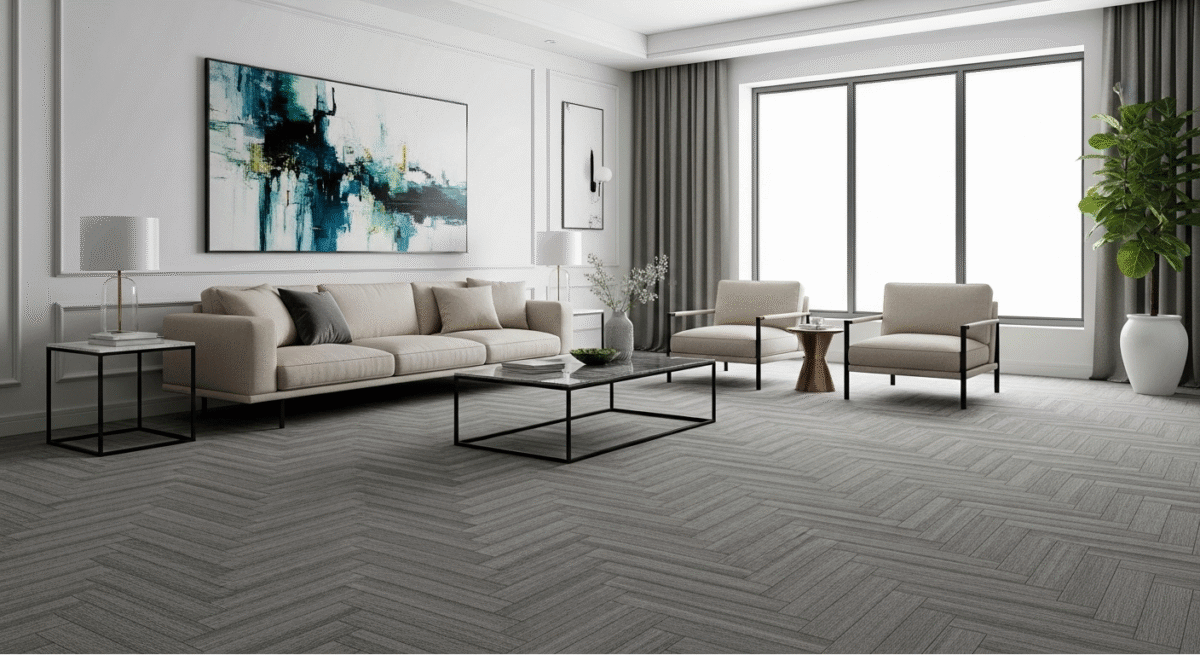
Herringbone carpets also provide functional benefits beyond their visual appeal. They tend to be resistant to stains and built to withstand daily wear, making them suitable for high-traffic areas.
Parquet-inspired designs bring geometric sophistication
Drawing inspiration from classic mosaic flooring, parquet carpet patterns create visual direction by guiding the eye along intentional pathways. These geometric designs often incorporate sustainable manufacturing approaches, with some collections using undyed wools from different sheep breeds to achieve natural colour variations.
Bold geometric motifs and chequered designs
Chequered patterns have expanded beyond traditional black and white combinations to include vibrant options such as green and multicoloured variations. This classic pattern maintains its elegance while proving versatile enough for both “extravagant penthouses and quaint country cottages”.
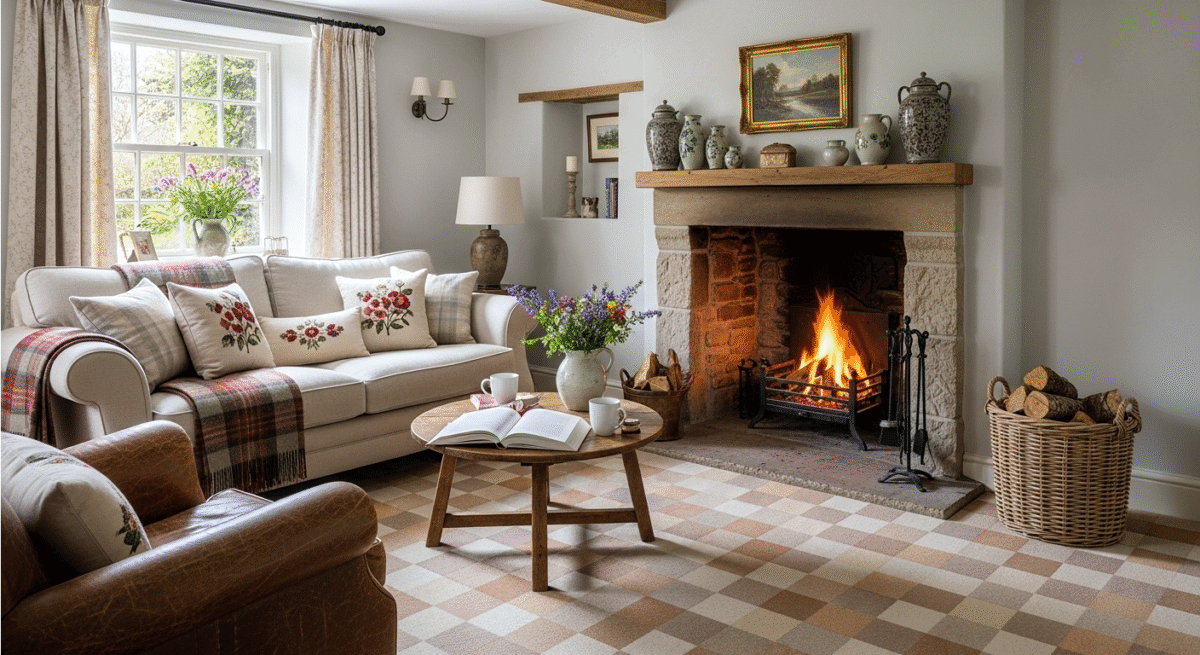
Contemporary geometric designs featuring squares, triangles, and diamonds add modern flair to interiors. These patterns typically employ clean lines, sharp angles, and minimalist configurations that complement current design trends.
How patterns help define spaces
Patterned carpets serve an important functional purpose beyond aesthetics—they help define different areas without requiring physical barriers. This quality proves especially valuable in open-concept homes where zones need clear delineation. Patterns effectively create visual boundaries that guide both movement and function throughout the space.
Modern pattern scales have also evolved, with large-scale designs covering substantial carpet areas rather than relying on traditional small, repetitive motifs. This approach creates bolder visual statements that can anchor entire rooms.
Environmental considerations in modern carpet choices
Environmental awareness has become a key factor in carpet manufacturing, with eco-friendly options now matching traditional products in both performance and visual appeal. Choosing sustainable carpet no longer means compromising on style or quality.
Health and air quality considerations
The distinctive ‘new carpet smell’ often indicates volatile organic compounds (VOCs), which can cause headaches, respiratory irritation, and potentially more serious health effects. Many manufacturers now produce carpets that significantly reduce or eliminate VOC emissions. When selecting carpet, look for certifications such as GUT (Gemeinschaft umweltfreundlicher Teppichboden) or Indoor Air Comfort Gold standard, which set strict benchmarks for VOC emissions.
Sustainable material options
The range of environmentally conscious carpet materials has expanded considerably:
Wool Naturally insulating, renewable and 100% biodegradable, wool carpets can help purify indoor air for up to 30 years—particularly beneficial for those with airborne allergies.
Recycled synthetic fibres Carpets manufactured from recycled plastic bottles (PET) or regenerated nylon created from old carpets and ocean waste provide durable alternatives.
Plant-based materials Options such as sisal, jute, and seagrass offer distinctive textures whilst being naturally renewable.
Innovation in carpet engineering
Modern sustainable carpets include innovative products like Lano’s Smartstrand, which incorporates 37% plant-based fibres and reduces CO2 emissions by 63% compared to traditional synthetic alternatives. These engineered carpets provide built-in stain resistance without sacrificing comfort.
The growing importance of environmental responsibility
The move towards eco-friendly carpeting reflects changing consumer priorities. As homeowners increasingly consider their environmental impact, sustainable materials that match conventional options in durability and appearance are gaining prominence. Whilst these choices may require higher initial investment, many consumers view this as “a small price to pay for protecting the environment for ourselves and generations to come”.
Conclusion
Carpet trends for 2026 represent a notable shift in how homeowners approach flooring choices. The movement away from cool-toned hard surfaces toward warmer, softer options reflects changing priorities in interior design, with comfort and cosiness taking precedence over minimalist aesthetics.
The emerging colour palette favours earthy tones such as honey, caramel and chestnut, which create welcoming atmospheres while offering practical benefits like better concealment of everyday wear. Wall-to-wall carpeting has gained renewed interest, particularly plush varieties that provide luxurious comfort underfoot.
Pattern selection has also evolved significantly, with bold designs like herringbone, chevron and parquet-inspired motifs becoming statement features rather than subtle backgrounds. These patterns serve dual purposes, adding visual interest while helping to define different areas within open-plan homes.
Environmental considerations continue to influence carpet choices, with low-VOC materials, recycled fibres and natural blends offering responsible alternatives that maintain performance standards. Although these eco-conscious options may require higher initial investment, they provide long-term benefits for both indoor air quality and environmental impact.
If you’re considering updating your flooring, it’s worth evaluating these emerging trends against your specific needs and lifestyle. Factors such as household traffic, maintenance preferences, and existing décor should all influence your decision. Consulting with flooring professionals can help ensure your choice aligns with both current trends and practical requirements.
These carpet trends reflect broader changes in how we use and experience our homes, with flooring choices increasingly viewed as essential elements that contribute to overall wellbeing and comfort. Whether you opt for warm-toned wall-to-wall carpet, bold patterned designs, or sustainable materials, your flooring selection can significantly impact how your living space feels and functions.
Key Takeaways
Carpet trends for 2026 reveal a dramatic shift towards comfort, warmth, and sustainability as homeowners prioritise creating nurturing sanctuaries over sterile modern spaces.
• Warm tones are replacing cool greys: Honey, caramel, and chestnut carpets create cosier atmospheres whilst hiding everyday wear better than cooler alternatives.
• Plush wall-to-wall carpeting is making a triumphant comeback: High-pile Saxony and velvet textures offer luxurious softness as comfort becomes king in interior design.
• Bold patterns transform floors into statement pieces: Herringbone, chevron, and geometric designs bridge traditional and contemporary styles whilst defining spaces in open-concept homes.
• Sustainability meets style without compromise: Low-VOC materials, recycled fibres, and natural blends allow eco-conscious choices that match traditional carpets in performance and aesthetics.
• Layered rugs create visual interest and practical warmth: This technique adds depth and texture whilst offering flexibility for both hard floors and existing carpeted areas.
This carpet renaissance reflects our evolving relationship with home environments, where flooring choices significantly impact how spaces feel and function as personal sanctuaries.
FAQs
Q1. What are the predicted carpet colour trends for 2026? Warm tones are making a comeback, with honey, caramel, and chestnut shades becoming popular choices. These earthy hues create a cosy atmosphere and are better at hiding everyday wear compared to cooler tones.
Q2. Is wall-to-wall carpeting coming back in style? Yes, wall-to-wall carpeting is experiencing a resurgence. Plush varieties, such as Saxony and velvet-textured carpets, are particularly popular for their luxurious softness and ability to create a warm, inviting atmosphere in living spaces.
Q3. What types of carpet patterns are trending? Bold patterns are on the rise, with herringbone, chevron, and parquet-inspired designs gaining popularity. These patterns add visual interest and can help define spaces in open-concept homes without the need for physical barriers.
Q4. Are there eco-friendly options for carpets? Absolutely. Sustainable carpet choices are becoming increasingly available, including low-VOC materials, recycled fibres, and natural blends. These eco-conscious options offer both style and performance without compromising on environmental responsibility.
Q5. How can I incorporate the latest carpet trends in my home? Consider opting for warm-toned carpets in plush textures for a cosy feel. Experiment with bold patterns or try layering rugs for added visual interest. If sustainability is important to you, look for carpets made from recycled or natural materials. Remember, these trends are about creating a comfortable and personalised living space that suits your lifestyle.