Table of contents
- 1. Understand What Truly Affects Carpet Quality
- 2. UK Carpet Constructions: Woven vs. Tufted
- 3. How to Choose Carpet Styles and Pile Types
- 4. Compare Carpet Materials and Fibres
- 5. How to Choose Carpet by Room Function
- 6. Don’t Overlook Underlay and Installation
- 7. Smart Ways to Save Money on Carpet
- Frequently Asked Questions
- Conclusion
Learning how to choose carpet for your home can feel overwhelming when faced with hundreds of swatch books. Basic synthetic carpets start from modest prices, whilst luxury British wool ranges exceed £100 per square metre. Above all, a well-chosen carpet provides valuable thermal insulation during chilly UK winters and reduces airborne noise across busy households.
However, the best carpet for a peaceful bedroom is rarely suitable for a high-traffic entrance hallway. In this comprehensive guide, we explain how to choose carpet that balances everyday comfort, fibre durability, and sensible budgeting.
1. Understand What Truly Affects Carpet Quality
Sales literature often emphasises face weight as the primary measure of quality. Most domestic carpets weigh between 35 and 60 ounces per square yard. Even so, face weight alone does not guarantee long-term resilience.
Density Beats Face Weight (The “Grin Test”)
While weight measures raw fibre volume, density measures how tightly packed those tufts are within the backing material. To test this in a showroom, bend a sample carpet square backwards into a U-shape. If the backing shows easily through the yarn (the carpet “grins”), the density is low and the pile will flatten quickly under footfall.
Why Fibre Twist Matters
Fibre twist measures the number of times individual yarn strands are wound together per inch (Twists Per Inch or TPI). Standard carpets feature around 5 TPI, whereas premium durability collections achieve 7 to 8 TPI. Tightly spun yarns act like miniature springs, bouncing back against furniture indentations and daily foot pressure.
2. UK Carpet Constructions: Woven vs. Tufted
In the UK market, carpets fall into two primary manufacturing methods. Woven carpets (such as Wilton and Axminster) weave the surface yarn and structural backing together simultaneously, delivering outstanding structural integrity that can last 20 years or more.
In contrast, tufted carpets punch yarn loops into a pre-manufactured primary backing secured with latex. Tufted designs account for roughly 85% of UK domestic sales because they offer excellent resilience and modern styling at far more accessible prices.
3. How to Choose Carpet Styles and Pile Types
Understanding different surface textures helps you identify the best pile style for each living zone:
- Twist Pile: The most popular UK choice, featuring tightly curled cut yarns that resist tracking marks. Perfect for busy family sitting rooms, halls, and stairs.
- Saxony (Cut Pile): A deep, velvety finish offering luxurious softness underfoot. While deeply comfortable, saxony shows footprints and vacuum tracks readily, making it ideal for master bedrooms.
- Loop Pile (Berber): Uncut continuous yarn loops that provide natural resilience and soil resistance. Note that pets with sharp claws can occasionally snag individual loops.
How Pile Height Affects Comfort and Wear
Low pile (under 7mm) provides maximum durability and easy vacuuming in high-traffic corridors. Medium pile (7mm to 13mm) strikes the ideal balance between cushioning and wear resistance for family lounges. High pile (over 13mm) provides pure indulgence but compresses faster under heavy traffic.
4. Compare Carpet Materials and Fibres
When learning how to choose carpet, selecting your yarn fibre is the single most important performance decision.
Wool vs. Synthetic Fibres
Natural wool remains the gold standard of flooring. It is naturally flame-retardant, breathable, and features an outer membrane that repels dry soil. Organisations like the Campaign for Wool highlight wool’s renewable credentials and excellent thermal Tog ratings.
In contrast, synthetic fibres deliver stain-resistant solutions tailored for modern family living:
- Nylon (Polyamide): The most resilient synthetic yarn, offering exceptional bounce-back and vibrant dye retention.
- Polypropylene: The ultimate stain-resistant choice. It repels moisture completely and can be cleaned with diluted bleach solutions.
- Polyester: Silky and soft underfoot, making it well-suited for guest bedrooms and lower-wear areas.
Wool Blends: The Best of Both Worlds
An 80/20 blend combines 80% natural wool with 20% synthetic nylon or polypropylene. This classic British construction pairs the warmth and natural soil resistance of wool with the added tensile strength of synthetic fibres.
5. How to Choose Carpet by Room Function
To protect your investment, match the carpet style to how each room is used every day:
- Living Rooms & Bedrooms: Comfort is key. Deep wool twists or plush saxonies provide warmth and sound insulation.
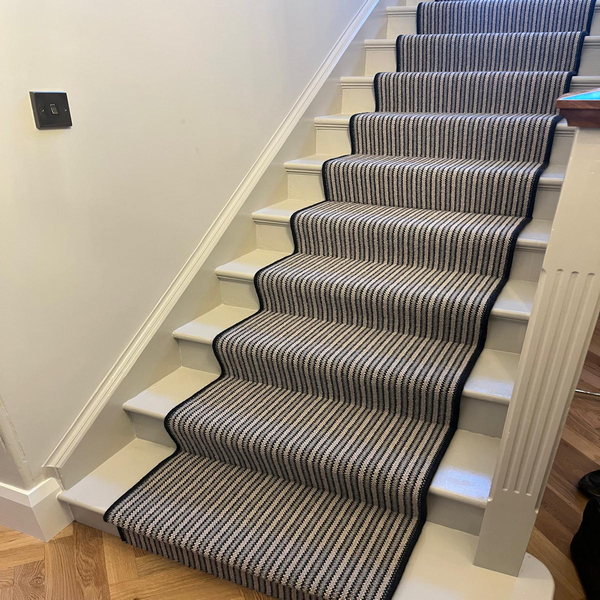
- Stairs & Hallways: Prioritise short, high-density twist piles or tightly woven wool loop stair runners to resist heavy tracking.
- Kitchens & Bathrooms: Moisture easily damages standard carpet backings. For wet rooms, choose waterproof luxury vinyl tiles (LVT) instead of carpet.
6. Don’t Overlook Underlay and Installation
Never skimp on underlay. A quality underlay can extend carpet lifespan by up to 50%, acting as an essential shock absorber that prevents backing breakdown. In addition, dense underlay improves thermal insulation and sound deadening.
- PU Foam (10mm to 12mm): Exceptional cushioning and high tog warmth for family sitting rooms and bedrooms.
- Rubber Crumb: Extremely dense and hardwearing, making it ideal for busy stairs and hallways.
- Wool Felt: Traditional dense underlay offering high thermal retention, especially beneath woven carpets.
7. Smart Ways to Save Money on Carpet
Now that you know how to choose carpet for quality and durability, these smart shopping tactics help keep costs manageable:
- Check Room Remnants: Roll ends and offcuts from large installations sell at big discounts, ideal for smaller bedrooms.
- Request Itemised Quotes: Ensure carpet supply, underlay, gripper rods, door bars, and fitting labour are broken down clearly.
- Inspect Existing Grippers: If your existing wooden gripper rods remain securely anchored and uncompromised, your fitter can reuse them.
Frequently Asked Questions
You can check density using the ‘grin test’. Bend a corner of the carpet sample backwards into a curve; if you easily see the backing canvas through the fibres, the carpet has low density and will flatten quickly under foot traffic.
An 80/20 wool-nylon twist or a tightly woven high-twist polypropylene is best for stairs and hallways. These fibres bounce back under constant compression and withstand heavy tracking without matting down.
For high-traffic areas, an 80/20 wool blend is often superior to 100% wool. The 20% synthetic nylon adds tensile strength and elasticity, reducing pile shedding while retaining the luxurious warmth of natural wool.
Always add at least 10cm to both the length and width of your room measurements to account for out-of-square walls, alcoves, and trimming. For complex stairs and winders, fitters generally recommend a 10% to 15% allowance.
Conclusion
Understanding how to choose carpet ensures your new flooring performs beautifully for years to come. By prioritizing fibre density, matching pile types to room usage, and pairing your carpet with a quality high-density underlay, you guarantee long-lasting comfort underfoot.
Explore our full collection of British wool twists and luxury carpets at our Harrogate showroom, or get in touch for a free home measurement and quotation.