Table of Contents
Ever felt overwhelmed when trying to budget for your commercial flooring project? You’re not alone. The pricing landscape can feel like a maze, especially when you’re seeing quotes that seem to vary wildly from one supplier to the next.
Here’s what we see time and time again: safety flooring might cost you anywhere from £15-23.00 per m², then you’ve got installation charges adding another £8-£14 per m² on top. That range alone is enough to make any business owner’s head spin.
But here’s where it gets interesting. Many businesses make the mistake of chasing the cheapest upfront price without considering what they’re actually getting. Picture this: you could have a £12 per m² carpet tile sitting right next to a £30 per m² option, both made from 100% nylon, both carrying the same grade 33 rating, both with identical ten-year warranties. So why the price difference?
Your specific commercial environment holds the key. Most commercial settings need at least a grade 33 product for heavy commercial use, while grade 32 works fine for lighter applications. But the devil’s in the details.
Whether you’re planning an office refit, updating your retail space, or upgrading a healthcare facility, we’ll walk you through exactly where your money goes and how to make smart choices that work for your business. No jargon, no confusion – just straight-talking advice you can actually use.
Understanding Commercial Flooring Types
Getting to grips with different flooring materials is your first step towards making a smart investment. Your commercial space needs flooring that can handle serious traffic while looking professional day after day.
Carpet tiles: cost-effective and versatile
Carpet tiles have won over British businesses for good reason. The beauty of their modular design means you can replace individual tiles when they get worn or stained, keeping your space looking sharp without breaking the bank. This selective replacement approach saves you serious money compared to ripping up entire carpeted areas.
But there’s more to carpet tiles than just the financial benefits. These tiles work wonders for office acoustics, absorbing sound that would otherwise bounce around your workspace. The result? Better concentration, less stress, and happier staff. Modern commercial carpet tiles come with advanced stain-resistant treatments too, so they’ll keep looking good for longer.
Installation tends to be more straightforward than rolled carpet options, with waste typically running at just 3-5% compared to 10-15% for rolled carpet. Plus, you can often install them in phases, meaning your business can keep running while the work gets done.
Vinyl tiles: stylish and durable
Luxury vinyl consistently delivers excellent value for commercial spaces. The robust construction features multiple layers built specifically to handle the demands of busy commercial environments. You get a tough wear layer that shrugs off scratches, scuffs, and stains, whilst the core provides the stability and impact resistance your space needs.
Many modern luxury vinyl products feature click-lock installation systems that cut down on both labour costs and installation time. Less disruption to your business operations is always welcome, especially when every day of downtime affects your bottom line.
Vinyl really shines in areas where spills happen regularly or humidity runs high. The moisture-repelling surface offers superior hygiene through its seamless finish, making it perfect for retail stores, healthcare facilities, and hospitality venues where cleanliness matters most.
Safety flooring: essential for wet areas
Safety flooring tackles the slip risk head-on in areas exposed to water and other contaminants. Originally developed for commercial settings, safety flooring incorporates special aggregates during production that maintain slip resistance even when contaminants are present.
Quality safety flooring can reduce slip likelihood to just one in a million throughout the floor’s entire lifetime. Products like Altro Aquarius and Polysafe Hydro are specifically engineered for consistently wet environments such as shower rooms, changing areas, and swimming pool surrounds.
Wet-room vinyl safety flooring costs anywhere from £5 to over £30 per m², depending on the specific product and finish you choose. While that initial investment might seem steep, safety flooring typically lasts 10 to 15 years in commercial environments with proper installation and regular maintenance.
Rubber flooring: long-lasting and low maintenance
Rubber flooring stands apart with exceptional durability and shock absorption properties. It’s particularly valued in high-traffic areas where comfort underfoot makes a real difference. The material naturally contains self-migrating wax that continuously moves to the surface, so you won’t need to add external waxes.
Maintenance couldn’t be simpler – just periodic cleaning with a neutral cleaner (pH around 7 or 8) diluted with warm water does the job. Rubber flooring also offers excellent slip resistance even when minor spillages occur, making it ideal for laboratories and other spaces where accidents are more likely.
Although rubber flooring represents one of the pricier initial investments per square metre, its longevity and minimal maintenance requirements make it cost-effective over the long haul. The natural sound insulation properties provide added benefits for commercial spaces where concentration matters, such as schools and offices.
Key Factors That Influence Flooring Costs
Your final bill goes way beyond just picking materials off a price list. These hidden cost drivers can catch even experienced business owners off guard if they’re not prepared.
Subfloor preparation and removal of old flooring
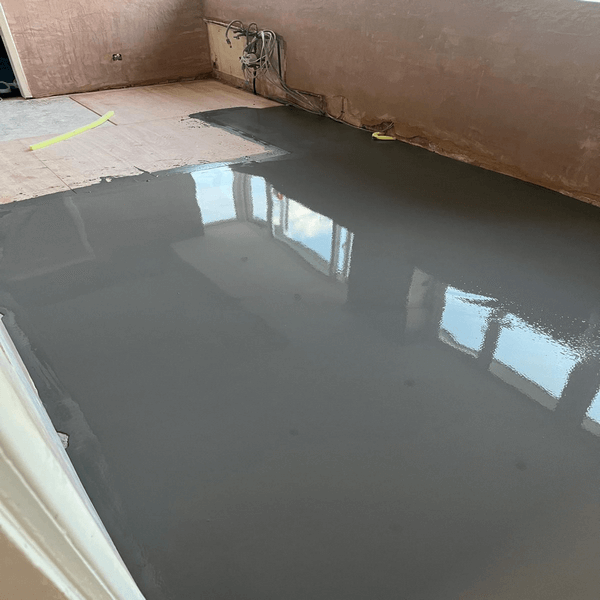
Think your existing floor is ready for a simple overlay? Think again. Proper subfloor preparation forms the backbone of any successful installation, yet many businesses severely underestimate this step. It can gobble up to 30% of your total project costs when conditions get tricky.
Removing vinyl flooring alone typically costs between £135-£165 per hour, and don’t forget about waste disposal – that could add another £250-£1,650 to your bill. For standard prep work, budget around:
- £2-5 per square metre for removing soft flooring like carpets and vinyl
- £4.50 per square metre for applying smoothing compound on concrete subfloors
- Additional costs for plyboard (4-6mm) on timber subfloors
Tempted to cut corners here? Don’t. Skimping on preparation leads to premature wear, cracking, warping, and moisture damage down the line. Plus, different flooring materials have specific subfloor requirements that must be met.
Material grade and durability ratings
Commercial flooring gets sorted into durability grades that directly affect both cost and performance:
- Grade 32: Suitable for light commercial use
- Grade 33: Designed for heavy commercial use (most common requirement)
- Grade 34: Necessary for extreme traffic or industrial settings
Now here’s something that might surprise you: higher prices don’t automatically mean better performance. That £12/m² carpet tile might perform exactly the same as a £30/m² option if they both carry identical grade 33 ratings and ten-year warranties. The price difference often comes down to looks, not durability.
Material thickness affects pricing too, but it doesn’t always translate to better performance. Luxury vinyl tile costs vary based on wear layer thickness, core construction, and overall quality. Commercial carpet pricing depends on yarn quality, backing materials, and design complexity.
Manufacturer pricing and delivery logistics
Manufacturing processes play a bigger role in final costs than most people realise. High-quality products go through rigorous production methods – proper climate control in factories, multiple quality checks, precision milling.
Even the finishing process affects your wallet. UV oil floors cost less because they dry instantly under UV light, whilst some stains need days to cure, bumping up production costs. Floors with multiple treatments like smoking, brushing, and staining cost more because of all those extra processing steps.
Recent fuel price hikes have hit delivery costs hard across the UK. With petrol up 3.2p and diesel up 4p per litre, transport expenses have jumped substantially. These increases don’t just affect delivery – they can impact product availability and lead times too.
Standard sizing typically offers better value since manufacturers mass-produce common dimensions like 190mm width planks. Want custom sizes, extra-wide planks, or patterned floors? Expect to pay premium prices for the complex production processes involved.
Installation Costs and Timing Considerations
Your flooring installation schedule can make or break your budget. It’s one thing to nail down your material costs, but installation logistics? That’s where projects either stay on track or spiral out of control.
Standard vs. out-of-hours installation
Timing is everything when it comes to your installation costs. Standard business hours offer your most economical option – perfect if you’ve got vacant spaces or areas you can temporarily close. But let’s be realistic, that’s not always possible.
Evening and weekend installations will cost you more, but they’re worth every penny for those areas you simply can’t shut down. Think toilets, kitchens, communal spaces, and main walkways that your staff need for movement and fire safety. Night work? That’s your most expensive option, typically reserved for spaces that are impossible to access any other time.
Labour rates and complexity of installation
Professional installation labour typically runs between £15 to £40 per square metre. Location matters hugely here – London and major cities will command higher rates than smaller towns.
What pushes your labour costs up?
- How complex your installation is and how long it takes
- Whether you need specialist skills for your particular flooring type
- Preparation work like subfloor levelling or damp-proofing
- The size and layout of your installation area
Small rooms cost more per square metre than large, open areas because fixed costs get spread across fewer metres. Complicated layouts with multiple doorways or built-in features? Expect both labour time and material waste to increase.
Furniture moving and site access issues
Here’s something many businesses forget to budget for: furniture handling. Most installers charge £10-15 per room for furniture moving services, but several factors can push this up.
The size and quantity of your furniture directly impacts costs – heavier, bulkier items need more time and manpower. Access problems like narrow staircases or limited parking? These can substantially increase your labour charges. For extensive furniture handling, some businesses choose specialist “lift and shift” services, usually done outside normal hours.
Distance matters too – the further your furniture needs moving, the higher your costs. Many businesses try to handle furniture moving themselves initially, but professional help often proves worthwhile for heavier items or when business continuity is essential.
Common Misconceptions About Flooring Prices
You’d be surprised how many myths surround commercial flooring costs. Over the years, we’ve watched countless businesses make expensive mistakes because they believed things that just aren’t true.
Higher price doesn’t always mean better quality
This one catches out more businesses than any other misconception. The assumption that expensive equals better performance? It’s simply not reliable when it comes to commercial flooring.
Many businesses walk into showrooms thinking they need to spend big to get quality, but that’s not necessarily the case. The reality is more nuanced than that.
Remember our earlier example? When two carpet tiles share identical specifications – same materials, same grade ratings, same warranties – the price difference usually comes down to design choices rather than actual performance. You might prefer the look of the pricier option, but don’t expect it to last any longer or perform any better.
Budget options can still be high-performing
Modern manufacturing has completely changed the budget flooring game. Take vinyl flooring – once considered the poor relation of commercial surfaces. Today’s vinyl can fool most people into thinking they’re looking at expensive hardwood or stone.
But it’s not just about appearances. These budget-friendly options deliver on durability too, with easy maintenance that makes sense for busy commercial spaces. You’re getting real performance without the premium price tag.
Smart businesses are discovering that cost-effective materials like vinyl and laminate can provide excellent longevity with minimal fuss, saving substantial amounts over their lifetime. Some suppliers even offer financing options to help you manage your budget without compromising on quality.
Design choices can affect perceived value
Here’s something interesting: the visual impact of flooring can completely change how expensive it appears, regardless of what you actually paid for it.
Budget ranges now feature sophisticated designs that look far more expensive once they’re installed. This works beautifully for businesses wanting to create premium-looking environments without the premium spending.
Modern manufacturing techniques mean even economical products can deliver impressive visual impact, helping you maximise the aesthetic value of your investment. The trick is finding materials that tick both boxes – meeting your performance needs while delivering the look you want at a price that makes sense.
Don’t just focus on the price tag. Consider both the technical specs and the visual impact, and you’ll find the sweet spot that works for your business.
Choosing the Right Flooring for Your Business
Your business type should drive your flooring choice – not the other way around. Different industries face unique challenges that make certain materials shine while others simply don’t cut it.
Office spaces: balancing comfort and durability
Office flooring needs to work as hard as your team does. Traffic patterns tell the story here—your hallways and reception zones take a real beating compared to quieter meeting rooms.
Carpet tiles are your best friend for office environments. They’ll slash noise levels by up to 24dB, which means fewer distractions and better concentration for your staff. Plus, cushion-backed carpet can cut muscle fatigue by up to 24% during the workday—a real bonus for anyone who spends long hours on their feet.
But don’t carpet everywhere. Areas where spills happen (think kitchen zones or near water coolers) work better with vinyl flooring that shrugs off moisture and cleans up easily.
Retail environments: aesthetics and foot traffic
Your floor is part of your brand story. It guides customers around your space while taking constant punishment from footfall, trolleys, and daily cleaning. The wrong choice here affects both your image and your bottom line.
Safety matters more than you might think—slips and falls are surprisingly common in retail. Pay special attention to entrance areas where wet weather creates hazards. Choose flooring with proven anti-slip properties, especially near doors or anywhere moisture might collect.
Remember, your floor should showcase your products, not compete with them. The right choice creates clear pathways and helps customers navigate different sections naturally.
Healthcare and education: hygiene and safety
Healthcare facilities can’t compromise on cleanliness. Your flooring must be smooth, non-porous, and water-resistant to handle proper disinfection. Operating theatres need surfaces that cope with heavy equipment and inevitable spillages.
Educational settings face their own challenges. Department for Education guidelines insist on a minimum 10-year lifespan, while acoustic performance remains crucial for maintaining classroom focus. You’ll need class 33 or 34 durability ratings to handle the intense daily use these environments demand.
The key is matching your material choice to your specific operational needs rather than going for the cheapest option and hoping for the best.
Conclusion
Your commercial flooring project doesn’t have to be a budget nightmare. The key is understanding that the sticker price tells only half the story.
We’ve walked through the maze of pricing together, and here’s what matters most: that £12 carpet tile can genuinely match the £30 option’s performance when the specs are identical. Grade ratings trump price tags every single time.
Subfloor preparation might feel like an expensive hassle, but it’s the difference between flooring that lasts and flooring that fails. Don’t cut corners here – your future self will thank you.
Timing your installation strategically can save you serious money. Standard hours beat evening rates, but sometimes business continuity is worth the premium. You know your operations best.
Choose flooring that fits your environment, not your ego. Carpet tiles work brilliantly for offices with their acoustic benefits. Vinyl excels in retail and healthcare where hygiene matters. Safety flooring protects your people and your liability – sometimes the investment pays for itself with just one prevented accident.
The perfect commercial flooring isn’t the most expensive or the cheapest – it’s the one that matches your specific needs while staying within budget. You’ve got the knowledge now to make smart decisions that’ll serve your business well for years to come.
Don’t forget, you can always test samples in your actual space before committing. Most suppliers offer this service, and it’s worth taking advantage of to ensure you’re completely happy with your choice.
Key Takeaways
Understanding the true cost of commercial flooring helps British businesses make smarter investment decisions that balance upfront expenses with long-term value.
• Higher price doesn’t guarantee better performance – a £12/m² carpet tile can match a £30/m² option’s durability and warranty • Subfloor preparation accounts for up to 30% of project costs but prevents expensive premature wear and damage • Grade 33 flooring is essential for most commercial settings, whilst grade ratings matter more than price for durability • Installation timing significantly affects costs – standard hours are cheapest, but evening/weekend work may suit operational needs • Material selection should match your environment: carpet tiles for offices (acoustic benefits), vinyl for retail/healthcare (hygiene), safety flooring for wet areas
The key to successful commercial flooring lies in matching technical specifications to your specific business requirements rather than assuming the most expensive option delivers the best value. Proper planning and preparation ultimately save money whilst ensuring your flooring investment serves your business effectively for years to come.
FAQs
Q1. What is the average cost of commercial flooring in the UK? The cost of commercial flooring in the UK typically ranges from £25 to £80 per square metre, including installation. However, prices can vary significantly depending on the type of material, quality, and specific requirements of the space.
Q2. How does the cost of carpet tiles compare to other flooring options? Carpet tiles are often a cost-effective choice for commercial spaces. While prices can vary, they generally offer good value due to their durability, easy replacement of individual tiles, and lower installation costs compared to rolled carpet options.
Q3. Is luxury vinyl flooring a good investment for commercial spaces? Yes, luxury vinyl flooring is often considered a good investment for commercial spaces. It offers durability, style, and ease of maintenance at a competitive price point. Its moisture-resistant properties make it suitable for various commercial environments.
Q4. How much should I budget for subfloor preparation? Subfloor preparation can account for up to 30% of your total flooring project costs. It’s crucial to allocate sufficient budget for this step, as proper preparation prevents premature wear and expensive repairs in the future.
Q5. Are there any hidden costs in commercial flooring installation? Yes, there can be hidden costs in commercial flooring installation. These may include furniture moving (£10-15 per room), out-of-hours installation fees, and additional charges for complex layouts or access issues. It’s important to discuss these potential costs with your installer beforehand.