Table of contents
What flooring works best in hallways, and how do you choose options that handle daily wear whilst looking good? Hallways present unique challenges – they’re the first space visitors see and the busiest thoroughfare in most homes.
These areas need flooring that stands up to muddy boots, wet umbrellas, and constant footfall without losing their appeal.
Your hallway connects every room in your home, making flooring choice particularly important for creating flow between spaces.
We’ve examined the most popular options, from traditional carpet and solid wood to modern vinyl and ceramic tiles, to help you understand what works in practice.
You’ll discover how different materials perform under real-world conditions, which design tricks make narrow corridors feel wider, and practical solutions for common problems like tracked-in dirt and moisture damage.
Understanding Your Hallway’s Needs
Successful hallway flooring starts with honest assessment of your space’s demands. Each corridor presents distinct challenges that determine which materials perform reliably and which fail within years.
Measuring foot traffic levels
Hallway position directly affects wear patterns and material stress. Most homes channel all movement through the entrance hallway, creating wear intensity that exceeds other rooms significantly.
Count household members and consider their daily routines – families with young children generate more spills and scuffs, whilst older residents benefit from slip-resistant surfaces that reduce fall risks.
Footwear types matter enormously for floor preservation. High heels concentrate pressure into tiny contact points, whilst work boots track abrasive particles that scratch surfaces permanently. Pet households need flooring that disguises muddy paw prints and loose fur, plus materials that wipe clean without absorbing odours or stains.
External entrance hallways endure the harshest conditions. Rain-soaked shoes, snow-covered boots and umbrella drips create constant moisture exposure rather than occasional dampness. These areas require materials with minimal water absorption and superior scratch resistance to maintain appearance despite daily punishment.
Light and space considerations
Lighting conditions transform how flooring materials appear once installed. Natural sunlight reveals true colours accurately, but artificial lighting can shift tones dramatically. Fluorescent fixtures often make warm woods appear cooler, whilst LED systems may enhance or diminish colour intensity depending on their temperature rating.
Light quality changes throughout each day. Morning brightness, harsh afternoon sun and soft evening illumination all affect flooring appearance. Sample planks in your actual hallway lighting before making final selections, observing how materials look during different times and weather conditions.
Light-coloured surfaces reflect illumination upward, making cramped hallways feel more spacious and welcoming. Dark flooring absorbs light, creating cozy intimacy but potentially making narrow spaces feel smaller.
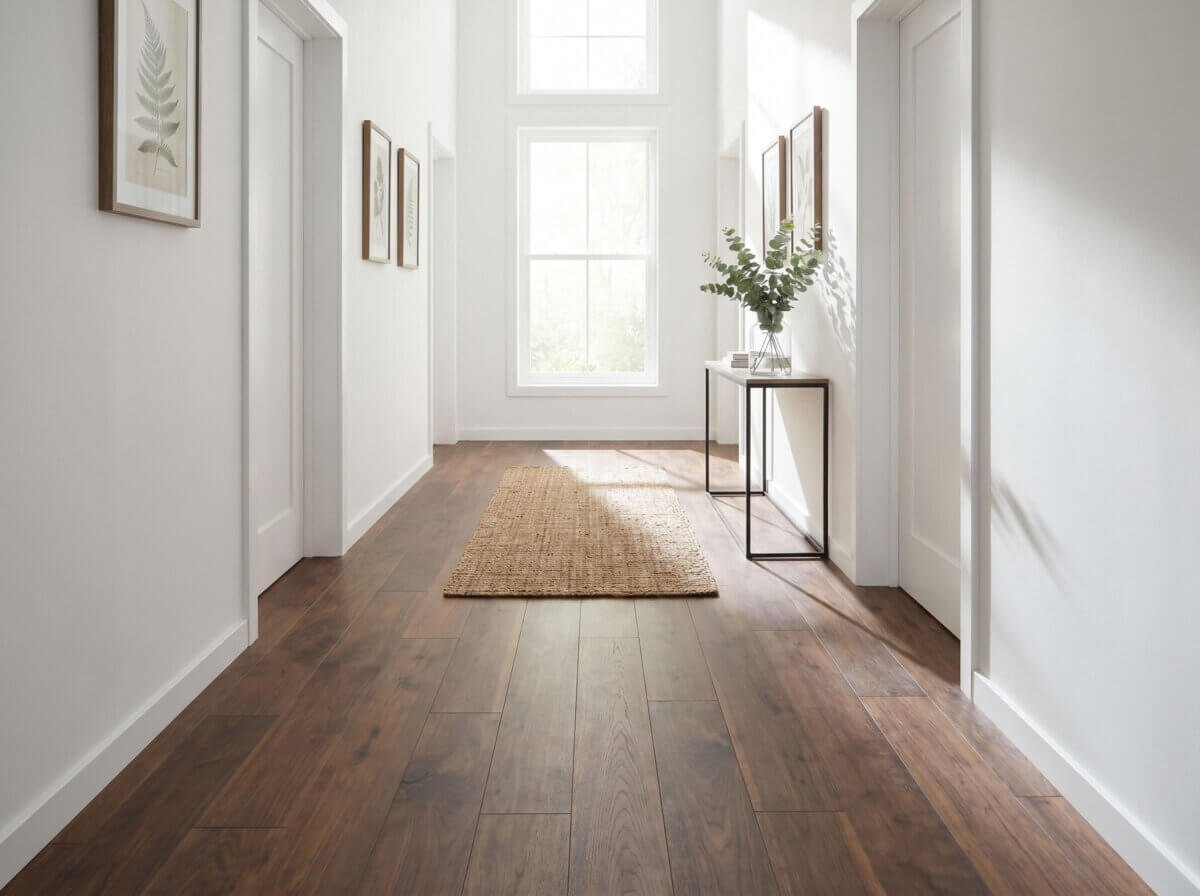
Corridors lacking windows particularly benefit from pale tiles or whitewashed wood that bounce available light around effectively. Soft greys, cream tones and bleached oak instantly brighten confined areas whilst maintaining sophisticated appeal.
Existing home style and architecture
Hallway flooring must connect harmoniously with surrounding rooms and architectural features. Coordinate tile colours with existing paintwork, skirting boards and door frames to create unified colour schemes from the entrance onwards.
Terracotta floors complement natural timber joinery beautifully, whilst stone-effect surfaces work with neutral wall colours for balanced aesthetics.
Period properties often feature narrow entrance areas that respond well to specific design strategies. Victorian terraces, Edwardian semis and 1930s houses benefit from approaches that respect original proportions whilst addressing modern lifestyle demands.
Mixing interior styles creates visual interest rather than rigid adherence to historical accuracy, particularly in transitional spaces like hallways.
Seamless flow becomes crucial when hallways open directly into living areas or kitchens. Consistent flooring materials throughout connected spaces make ground floors feel larger and more unified.
This approach works especially well in contemporary open-plan layouts where traditional room boundaries have been removed.
Practical vs aesthetic priorities
Effective hallway flooring balances durability requirements with design aspirations. Heavy-duty materials rated AC4-AC5 for laminate or PEI Class 4-5 for tiles demonstrate proven performance under intensive foot traffic.
These ratings indicate superior resistance to wear, scratching and impact damage compared to lighter-duty alternatives.
Maintenance demands shape daily living experience significantly. Non-porous surfaces like porcelain tiles and luxury vinyl clean easily with simple mopping, handling tracked dirt and wet footprints without permanent damage.
Carpet requires regular deep cleaning and shows wear patterns more obviously, making it challenging for busy entrance areas.
Initial investment must be weighed against replacement costs. Budget options may appear attractive initially but often require renewal within several years, making them expensive long-term choices.
Quality materials maintain their appearance despite heavy use, providing better value across decades of service whilst reducing future disruption and expense.
What are the main hallway flooring options?
Each material offers different benefits and drawbacks for hallway use. Understanding how these perform in practice helps you choose flooring that meets your specific needs and household demands.
Carpet: comfort with maintenance demands
Carpet provides excellent sound absorption, reducing footstep noise and echo throughout your home. The fibres trap sound waves, creating quieter living spaces – particularly noticeable in houses with hard surfaces elsewhere.
Carpet also retains warmth through thousands of air pockets between fibres, making hallways feel more comfortable during colder months.
The soft surface offers better grip than smooth flooring, reducing slip risks for children and older family members. Loop pile carpets like Berber withstand heavy traffic well and disguise footprints effectively.
Wool provides natural durability and sound absorption, whilst synthetic options like polypropylene offer stain resistance at lower costs.
However, carpet requires consistent maintenance to prevent dirt and allergen build-up. Moisture presents significant problems – carpets retain dampness and may develop mould in humid conditions.
Hallway carpets typically last 10-15 years with proper care, though high-traffic areas flatten more quickly and show wear patterns.
Wood: elegance with moisture concerns
Solid wood floors deliver natural warmth and timeless appeal that suits various home styles. Well-maintained solid wood can last 20-100 years, far exceeding laminate’s 10-20 year lifespan. This longevity comes from wood’s ability to be sanded and refinished when scratches accumulate over time.
Laying floorboards parallel to longer walls creates better visual flow in rectangular spaces. Light wood reflects available light, making narrow corridors appear brighter and more spacious. The natural variations in grain and colour add character that synthetic alternatives struggle to match.
Wood’s vulnerability to moisture damage represents its main weakness. Water penetrating the protective coating damages underlying layers, potentially requiring costly replacement. Regular maintenance includes placing entry mats to trap dirt and moisture, plus frequent sweeping to remove abrasive particles that scratch surfaces.
Tiles: durability with installation costs
Porcelain tiles absorb less than 0.5% water, making them superior to ceramic alternatives for high-moisture hallway applications. This low absorption creates extremely durable surfaces ideal for heavy foot traffic. Ceramic tiles work better in protected areas, typically lasting 20-30 years with proper maintenance.
Matt-finish porcelain tiles hide dust effectively whilst providing slip resistance near external doors where wet footwear creates hazards. Textured surfaces disguise everyday dirt exceptionally well, reducing visible wear in busy family homes. The non-porous surface means muddy footprints wipe away easily without permanent staining.
Tiles require minimal ongoing maintenance beyond regular sweeping and occasional mopping. Installation costs tend to be higher due to preparation requirements and professional fitting needs, but the long-term durability often justifies the initial investment.
Vinyl: practicality at accessible prices
Vinyl flooring starts from around £18.99 per square metre, with premium embossed options reaching £27.99. This makes vinyl significantly cheaper than solid wood or genuine tiles. Luxury vinyl tiles (LVT) last 20-25 years compared to 10-15 years for standard vinyl options.
Vinyl’s waterproof nature handles moisture from muddy boots and wet umbrellas without warping or staining. The material resists scratches whilst feeling comfortable underfoot. Many vinyl products use click-lock systems suitable for DIY installation, reducing overall project costs.
Cleaning requires simple sweeping and occasional damp mopping with mild detergent. Modern printing technology allows vinyl to mimic wood grain or stone textures convincingly, delivering attractive appearances at accessible price points.
How patterns and design choices transform hallway spaces
Pattern selection does more than add visual appeal – it solves practical problems whilst creating illusions that change how spaces feel. The right design approach makes narrow corridors appear wider, disguises daily wear, and creates memorable first impressions.
Stripes and runners for elongation
Stripes cleverly create the illusion of expanding or lengthening spaces, depending on their arrangement. Laying striped patterns horizontally draws the eye outwards, making narrow corridors feel wider without gaining physical space. Conversely, stripes running lengthways emphasise distance, making short hallways appear longer.
Striped hallway runners and chevron designs help elongate narrow spaces and bring structure to otherwise plain flooring. When placing a runner, leave 5-15cm of exposed floor on either side rather than covering the full width. This visible margin creates a framing effect that makes the hallway appear wider than it actually measures.
Geometric and encaustic patterns
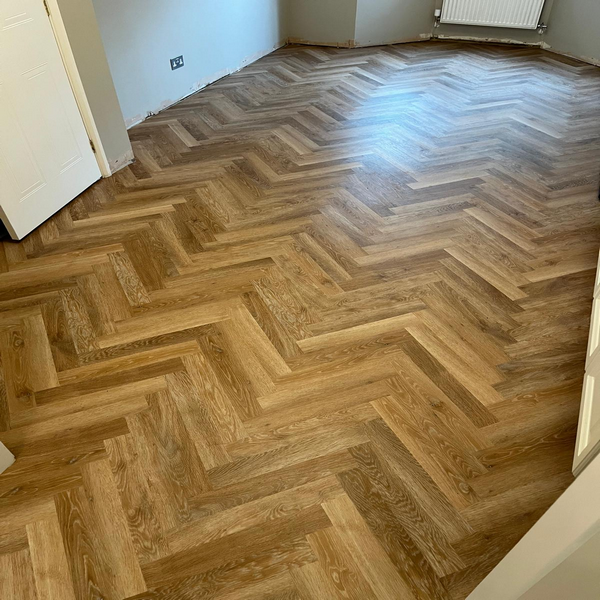
Geometric floor tiles bring character and visual interest to hallways, kitchens, and living areas. Hexagonal shapes, herringbone arrangements, and chequerboard designs add sophistication without overwhelming smaller spaces. These patterns work equally well in porcelain, ceramic, or luxury vinyl formats.
Encaustic tiles feature multi-coloured designs with various patterns, symbols, or floral motifs. Victorian-inspired encaustic patterns blend traditional charm with contemporary colour palettes, creating statement floors in entrance areas. The intricate designs draw attention whilst disguising everyday dirt and scuff marks.
What colour choices actually achieve
Dark flooring feels more natural to the eye and gives the feeling of ‘normal’ and safe, reflecting patterns found in nature. Dark floors provide flexibility with wall colours and decoration whilst requiring less frequent cleaning. Mid-tones, flecks, and subtle patterns prove easiest to live with in hallway applications.
Light floors create brightness but limit furniture choices. Anything significantly darker than the floor shade looks awkward and unrealistic. Patterns disguise dirt, marks, and general wear much better than plain colours ever will. Very light carpets show dirt quickly, whilst very dark options highlight every bit of fluff.
Textured finishes and their benefits
Textured surfaces provide slip resistance, particularly near external doors where wet footwear creates hazards. Embossed and textured vinyl finishes come in natural wood tones, smoked and grey hues, and herringbone patterns. Stone-effect textures disguise everyday dirt exceptionally well, reducing visible wear in family homes.
Borders and edge details
Border tiles add style, character and contrast to hallway floor tiling. A border defines the space area and adds structure, drawing attention to central patterns whilst providing practical installation flexibility.
Victorian geometric tile designs use borders to create balance and enhance pathways that showcase tile designs.
Border tiles need strong contrast through different colours, patterns, textures, or shapes to stand out effectively.
How to solve common hallway flooring problems
Hallways face unique challenges that other rooms rarely encounter. High foot traffic, tracked-in moisture, and temperature changes from opening doors create conditions that test even quality flooring. Understanding these challenges helps you choose materials that perform reliably under demanding conditions.
What works for heavy foot traffic?
High-traffic areas need flooring with protective wear layers that resist daily impact. LVT flooring includes protective layers that resist scratches and stains, proving ideal for households with pets and children.
Engineered wood offers beauty with enhanced stability, whilst vinyl floors resist scratches and dents through protective wear layers.
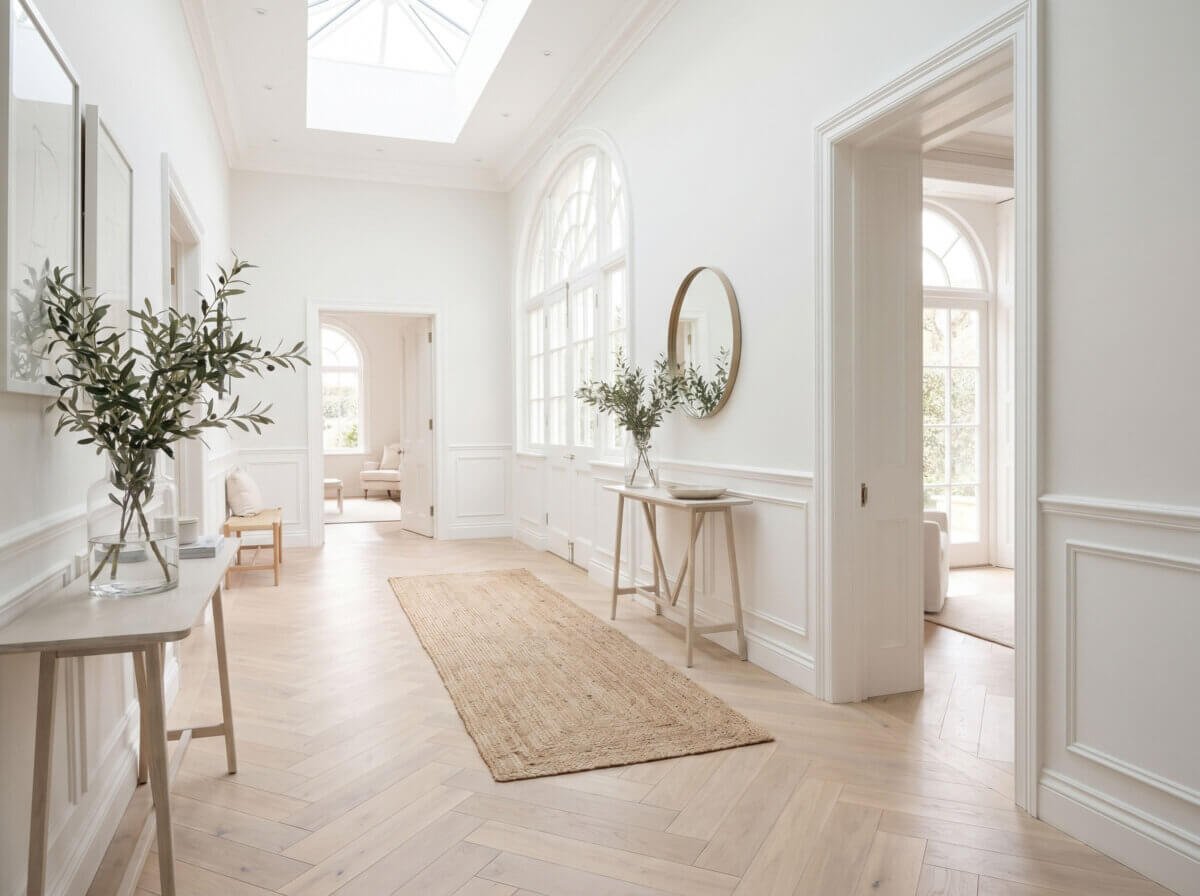
The layered construction of engineered wood makes it less susceptible to warping and expansion, ensuring durability in high-traffic areas. When damage does occur, wood floors can be refinished to restore their original appearance.
Mid-tone flooring colours help hide dirt, dust and minor scratches, whereas very dark or very light options show dirt more readily.
Luxury vinyl tiles provide additional comfort through integrated sound-reducing backing, making them particularly suitable for busy entrance areas. This addresses both durability and acoustic concerns in homes with active families.
Managing moisture and outdoor dirt
Waterproof flooring handles wet shoes, muddy boots and everyday spills without damage. Vinyl’s waterproof nature makes it practical for hallways where moisture exposure occurs frequently. However, even the best flooring benefits from preventive measures.
Place a barrier mat at the front door to trap moisture and grit before it reaches your flooring. This simple step extends the life of any flooring material whilst reducing daily cleaning requirements. Textured flooring surfaces improve grip whilst reducing the appearance of minor scratches.
Keeping cold hallways comfortable
Carpet remains the warmest flooring option without heating systems, trapping air between fibres to provide insulation. For those preferring hard surfaces, engineered hardwood feels warmer underfoot than tiles whilst pairing effectively with underfloor heating systems.
Luxury vinyl plank feels warmer than ceramic tile and often includes built-in underlay that reduces cold transfer from the subfloor. Installing laminate with thickness between 10mm and 12mm offers better cushioning and insulation. These options bridge the gap between comfort and practicality in colder homes.
Making narrow spaces feel larger
Lighter-toned oak flooring brightens areas lacking natural light and creates a more open feel. The reflective properties of pale surfaces bounce available light around the space, creating the illusion of greater width and height.
Herringbone flooring features diagonal layouts that draw the eye along the space’s length, reflecting light and adding depth.
This pattern works particularly well in traditional homes where period features complement geometric designs. Large format tiles reduce grout lines, making hallways feel longer and wider through uninterrupted floor expanses.
How do you choose and install hallway flooring?
Your final decisions come down to creating seamless flow between rooms and working out whether to tackle installation yourself. These choices affect both upfront costs and how satisfied you’ll be with the finished result.
Should flooring match adjoining rooms?
Using identical flooring throughout creates unity and makes spaces feel larger. Matching means exactly the same material, colour, width, pattern, and finish across multiple rooms. This works particularly well in open floor plans where you want rooms to blend together.
Coordinating offers more flexibility – choose different flooring types that share similar tones or undertones. This approach defines separate areas whilst maintaining visual connection.
Place transitions at natural breaking points like doorways, archways, or where hallways end. T-moulding works for floors of equal height, whilst reducer strips handle different thicknesses.
Can you install hallway flooring yourself?
Laminate and vinyl feature click-lock systems that suit DIY projects. However, you’ll need professionals when subfloors exceed three-sixteenths of an inch unevenness, layouts involve complex hallways, or you’re working to tight deadlines. Many flooring warranties require certified professional installation to remain valid.
Professional installers understand subfloor preparation, expansion gaps, and seamless joins. They complete installations efficiently without cutting corners.
What should you budget for hallway flooring?
Account for material costs, professional installation, underlay, adhesives, door bars, and beading. Hallways cost more to fit than flat areas due to trickier layouts. Allocate 10-15% of your budget for unexpected expenses like subfloor levelling.
The complex cuts and angles in most hallways mean installation takes longer than straightforward rectangular rooms. Factor this into both DIY time estimates and professional quotes.
Final thoughts on hallway flooring choice
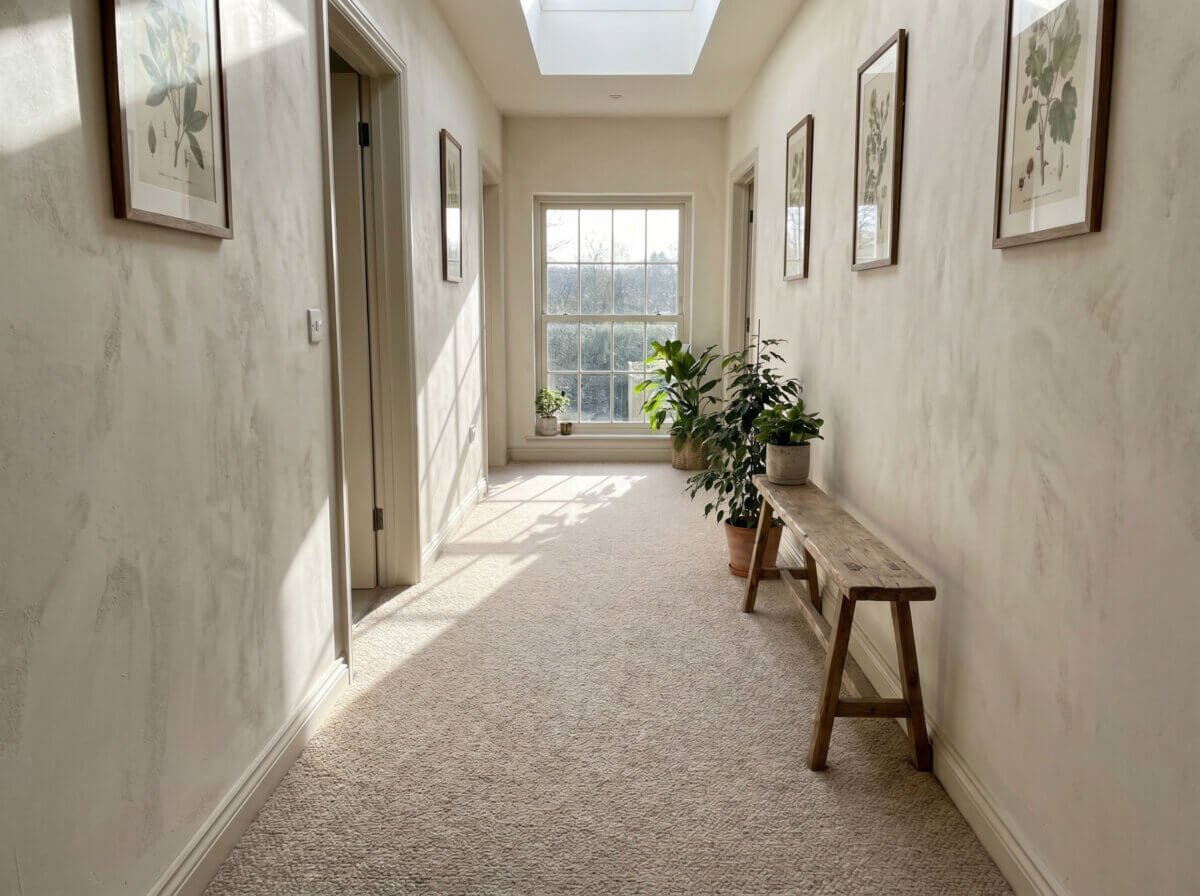
Hallway flooring success depends on matching material properties to your specific household demands. Carpet offers unmatched warmth and sound absorption, whilst vinyl delivers waterproof practicality at accessible prices.
Wood provides classic elegance with decades-long lifespan potential, and ceramic tiles excel in high-moisture environments with minimal maintenance requirements.
If you’re considering hallway flooring, you should evaluate your household’s traffic patterns, moisture exposure, and budget constraints before making a final selection.
Samples remain essential for informed decision-making. Lighting conditions in your home will affect how colours and textures actually appear once installed. However, it’s worth noting that many flooring retailers offer return policies on unused materials, reducing the financial risk of ordering samples.
Narrow hallways particularly benefit from lighter tones and strategic pattern placement. Evidence suggests that horizontal stripes make corridors feel wider, whilst lengthways patterns emphasise distance in shorter spaces.
Large-format tiles reduce grout lines, creating more seamless appearances that enhance spatial perception.
The most successful hallway flooring installations balance immediate appeal with long-term performance. Materials with protective wear layers, appropriate slip resistance, and easy cleaning properties prove most satisfying over time.
Choose appropriately, and your hallway will maintain its welcoming appearance whilst handling daily family life effectively.