Table of contents
Living room flooring that feels warm underfoot transforms your space from functional to inviting. Carpet has never gone out of fashion for living room flooring ideas and is increasing in popularity because of its soft feel, warmth and the big array of colours and textures.
The right choice makes all the difference whether you’re learning lounge flooring ideas for the first time or seeking the best flooring for living room updates.
This blog post presents seven cosy flooring ideas, from practical materials to modern living room flooring options. You can create a space that’s as comfortable as it is stylish.
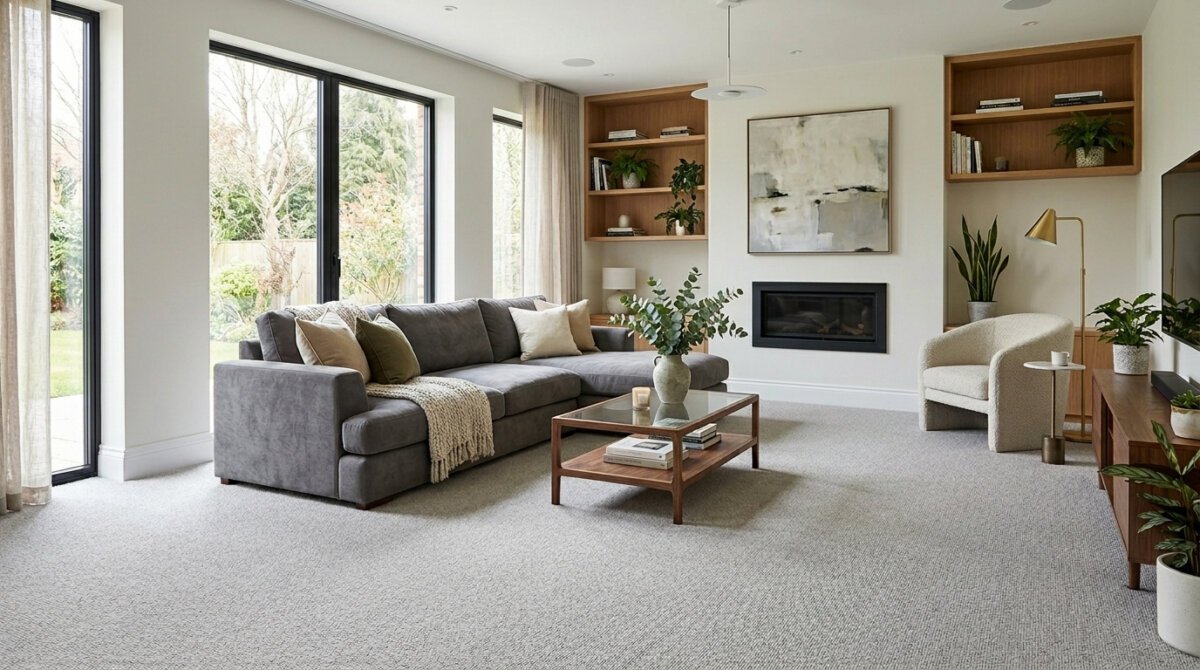
Plush Wool Carpet for Ultimate Warmth
Wool carpet delivers natural warmth that synthetic alternatives struggle to match. The fibres contain microscopic air pockets that trap heat and create an effective thermal barrier between your feet and cold floors beneath. This natural insulation can reduce heat loss through flooring by up to 10%.
It’s both a comfort feature and an energy-saving investment for your living room flooring ideas.
What Makes Wool Carpet Cosy
The wool fibre’s inherent structure explains why this material feels so inviting underfoot. Natural crimp gives wool its characteristic bounce and creates a soft, forgiving surface that responds to pressure. Synthetic fibres flatten over time. Wool springs back naturally and maintains its plush texture even in high-traffic areas.
Wool’s temperature regulation works year-round. Those trapped air pockets retain warmth during winter months and keep rooms comfortable without excessive heating. The breathable fibres wick away moisture in summer and allow air circulation.
This helps maintain cooler temperatures. Wool’s hygroscopic quality means it can absorb up to 30% of its weight in moisture without feeling damp. It moderates indoor humidity levels whatever the season.
Key Features and Benefits
Durability and Resilience Wool fibres can bend up to 20,000 times without breaking. The natural coil structure resists crushing and matting.
Carpets maintain their appearance for decades with proper care. This elasticity prevents pile compression and reduces visible tracking marks.
Air Quality and Health The microscopic scales on wool fibres trap dust particles and allergens. This filtering effect keeps contaminants from circulating in your home’s air.
Wool can absorb and neutralise volatile organic compounds (VOCs). This air purification process continues for up to 30 years. The natural hypoallergenic properties resist dust mites and mould. They create healthier indoor environments.
Acoustic Performance Sound absorption ranks among wool’s underappreciated qualities.
The fibres dampen noise naturally and soften footfall while reducing echo in open-plan living spaces. Pair wool carpet with face weight of 40-50 oz with an 8-10 mm felt underlay for best results.
Safety Features Wool’s high ignition temperature makes it flame-resistant naturally. The fibres self-extinguish rather than spreading flames. This fire retardant quality adds an extra safety layer for best flooring for living room choices.
Environmental Credentials Sheep produce fresh wool through regular shearing annually. This makes it 100% renewable. Wool biodegrades at end of life completely and returns nitrogen, sulphur and other plant nutrients to soil. Production requires less energy than synthetic fibres. This results in a smaller carbon footprint.
Best Rooms for Wool Carpet
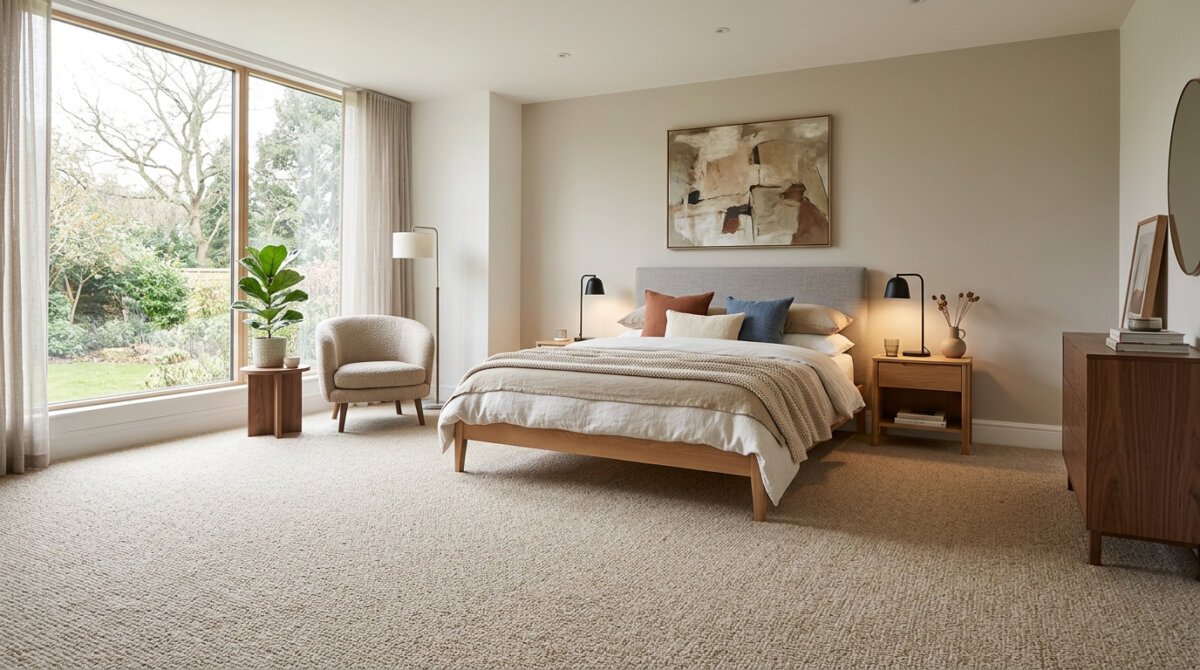
Bedrooms and living rooms benefit most from wool’s comfort properties. The soft texture creates relaxing environments where you spend extended periods. Walk-in closets and family rooms suit wool’s acoustic dampening qualities. High-traffic hallways and stairs take advantage of the natural resilience that prevents crushing.
Avoid wool in kitchens and bathrooms where moisture exposure becomes problematic. The material’s moisture-absorbing properties work well for humidity regulation but not for direct water contact.
Styling Tips for Wool Flooring
Colour selection influences room perception by a lot. North-facing rooms benefit from warmer neutrals like wheat, fawn or mushroom. These counteract cooler daylight. South-facing spaces accommodate cooler greys or muted blues without feeling cold. Mid-tone heathered yarns hide dust in smaller areas whilst creating depth.
Pile height affects both aesthetics and function. Low-pile options suit modern living room flooring schemes. They make furniture placement and rug layering simpler. Deeper plush piles boost traditional interiors and provide maximum softness underfoot.
Think over repeating wool’s colour, texture or warmth elsewhere in your scheme to create cohesion. Layer area rugs over broadloom carpet using rug pads. This protects the surface beneath whilst adding visual interest. This technique works well for defining seating zones in open-plan layouts especially.
Maintenance determines longevity. Weekly vacuuming prevents dirt from embedding in fibres. Professional cleaning every 12-18 months maintains appearance and extends lifespan. This makes wool carpet a worthwhile investment for flooring ideas that balance luxury with practicality.
Warm Oak Wood Flooring
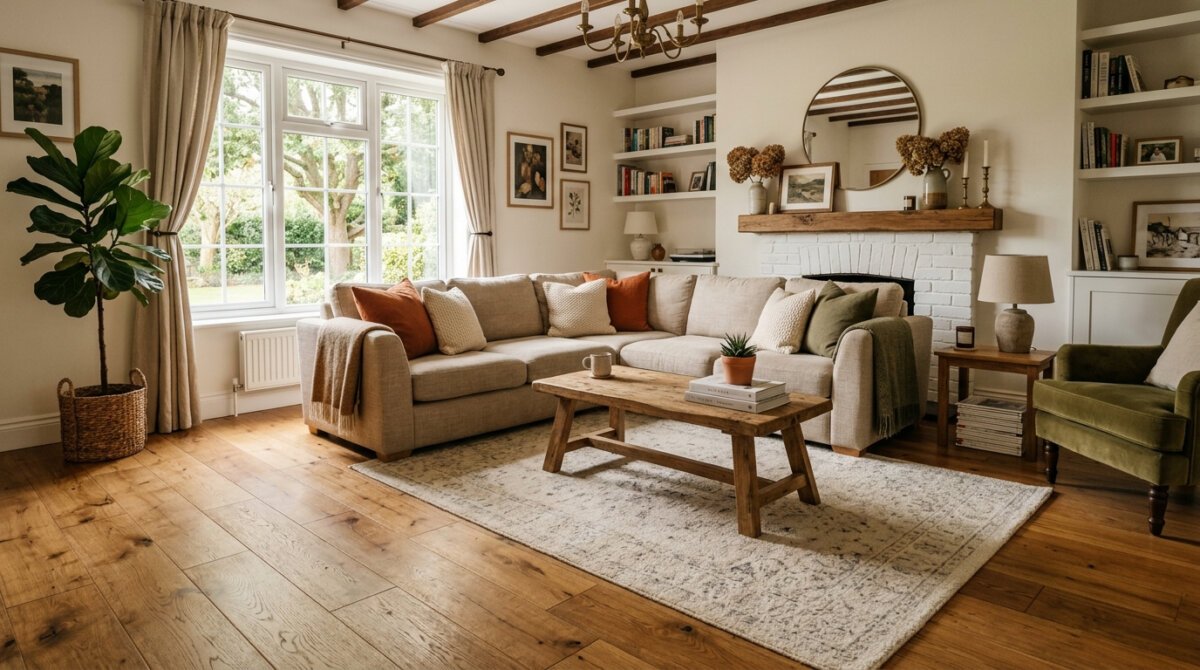
Oak brings a different dimension of warmth to living room flooring ideas through its natural insulation properties and rich visual character. The dense hardwood structure provides high thermal resistance and allows floors to retain heat well.
This characteristic keeps rooms comfortably warm during colder months and makes oak especially suited to homes seeking both aesthetic appeal and practical thermal performance.
What Makes Oak Flooring Warm
The physical warmth stems from oak’s cellular structure. As a dense hardwood, it creates a natural barrier that prevents heat loss through flooring. Engineered oak flooring proves especially effective when paired with underfloor heating systems.
Its inherent thermal stability and high conductivity enable quick heat transfer and result in evenly heated spaces.
Oak’s visual qualities create an inviting atmosphere beyond physical warmth. Natural tones ranging from light beiges to deeper browns provide earthy warmth that complements various design schemes. Intricate grain patterns lend depth and character.
Each plank offers unique markings that ensure no two floors look similar. Honey-toned finishes go together well with both traditional and contemporary spaces, while darker brown floors offer rich, deep, earthy tones.
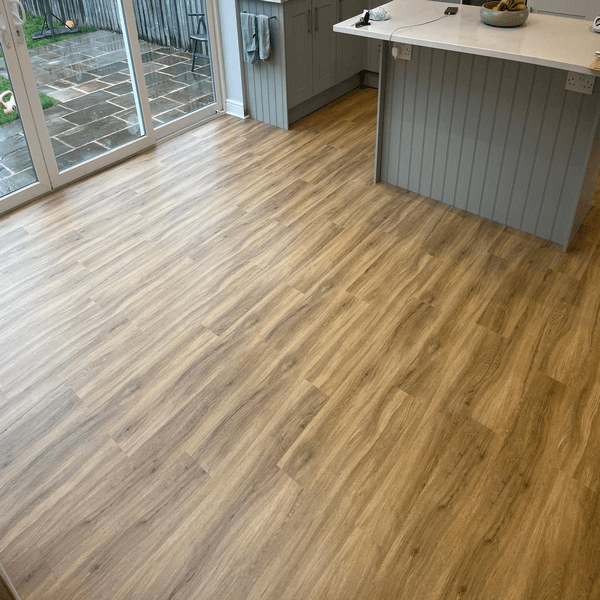
Acoustic properties improve the cosy environment further. Oak’s dense nature reduces noise transmission and creates quieter spaces. Oak absorbs sound, unlike harder surfaces that increase footsteps. This eliminates creaking or echoing that disrupts peaceful atmospheres.
Key Features and Benefits
Oak’s durability stands out among hardwood options. The material withstands decades of use with proper maintenance and proves especially valuable for high-traffic areas such as hallways, kitchens and lounges. The hardness provides resilience against scratches and dents compared to softer wood varieties.
Oak offers most important advantages for homes prioritizing health. The smooth surface doesn’t trap dust, pollen or allergens like soft furnishings do. Oak contains no volatile organic compounds (VOCs) and avoids health risks associated with synthetic materials.
The natural water, fungus and rot-resistance prevents mildew and mould buildup while maintaining cleaner indoor air quality.
Property value sees measurable improvement with oak installation. Hardwood flooring can increase resale value by 3-5%. Homes featuring oak floors sell faster and attract stronger offers. According to 87% of homeowners surveyed, the long-term value justifies the initial investment.
Sustainability credentials strengthen oak’s appeal. Trees from responsibly managed forests provide renewable resources, and many options carry FSC or PEFC certification.
Oak’s longevity reduces replacement frequency and minimizes waste. As a natural carbon sink, wood flooring maintains lower environmental effect than synthetic alternatives.
Best Rooms for Oak Flooring
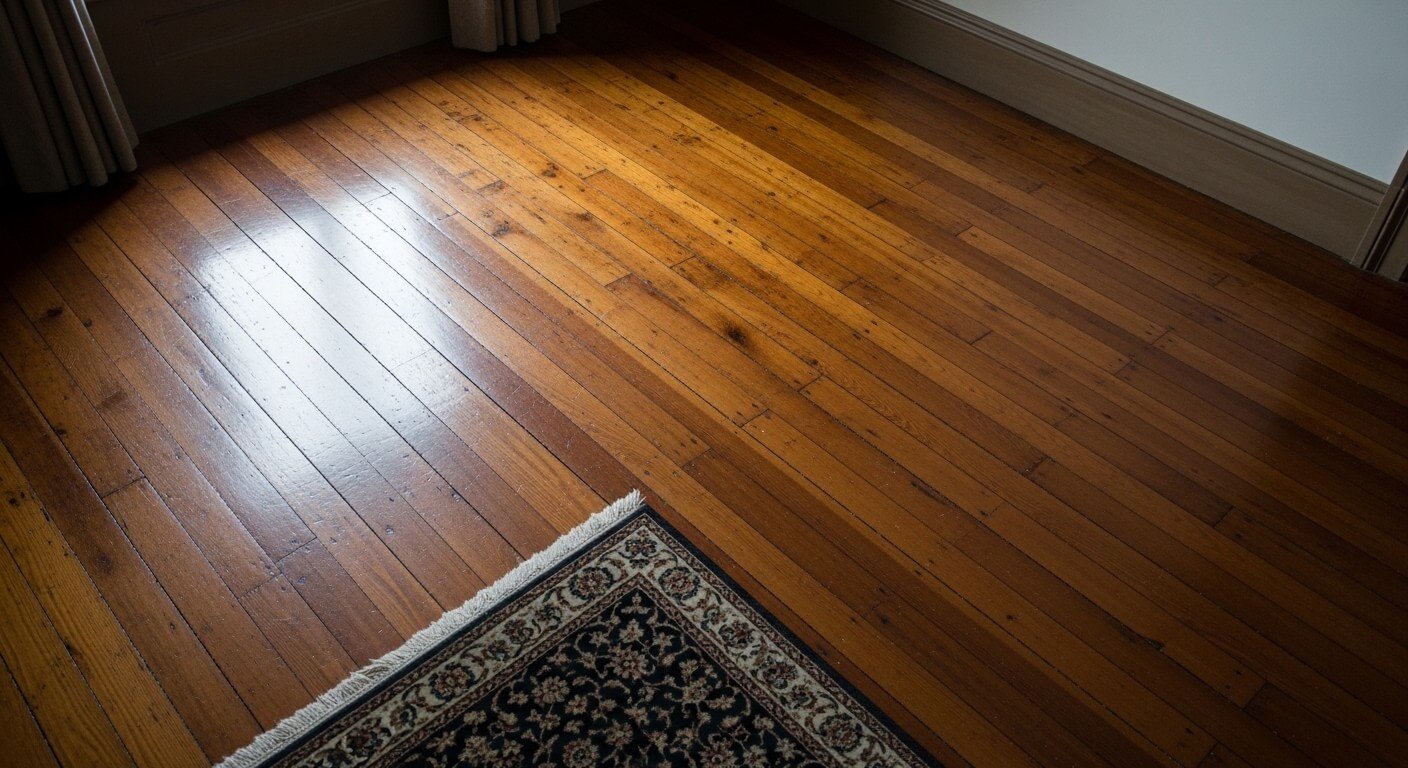
Living rooms benefit immensely from oak’s elegant beauty without concerns about moisture damage. The flooring provides durable surfaces for furniture placement. Stability ensures long-term performance. Bedrooms suit oak’s stylish yet practical nature, though the surface feels colder than carpet during winter.
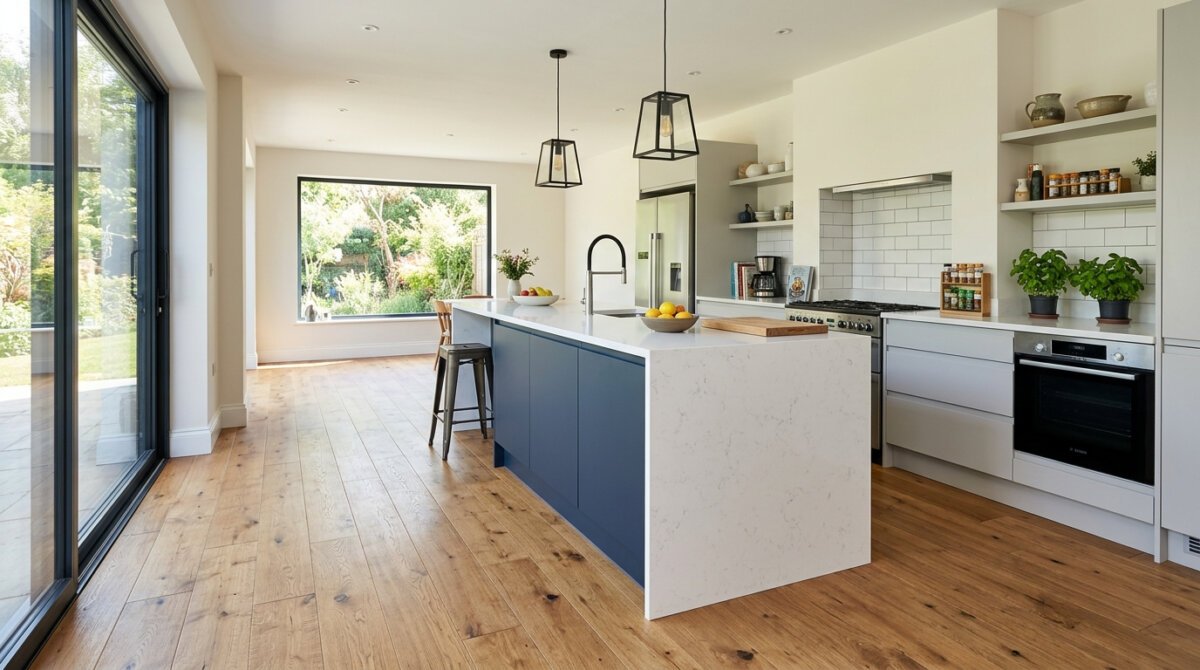
Kitchens accommodate oak well, provided spills receive prompt attention. The material handles typical kitchen demands better than bathrooms, where excessive moisture poses risks. Engineered oak proves more stable in kitchens than solid varieties and handles temperature and moisture fluctuations without warping.
Entrance halls endure high footfall that oak’s durability manages well. Engineered oak provides the necessary stability for underfloor heating installations, while solid oak suits areas without heating systems.
Styling Tips for Oak Flooring
Finish selection alters appearance and maintenance requirements dramatically. Oiled finishes improve natural grain patterns while providing protection. Lacquered surfaces create glossy, durable layers that resist stains and scratches. Brushed and oiled options add texture while maintaining protective qualities.
Plank dimensions influence spatial perception. Wider planks create open feels suited to modern living room flooring schemes, while narrower options provide traditional appearances. Longer planks help spaces feel continuous and connected.
Colour coordination extends warmth throughout interiors. Earthy shades, soft pastels or muted jewel tones work beautifully with oak’s natural hues.
Rich greens echo nature, while whites and blues create coastal vibes. Pairing oak with sleek metals or soft linens adds dimension. Layer plush rugs over oak floors for refined contrast that embraces both warmth and style.
Luxury Vinyl with Underfloor Heating
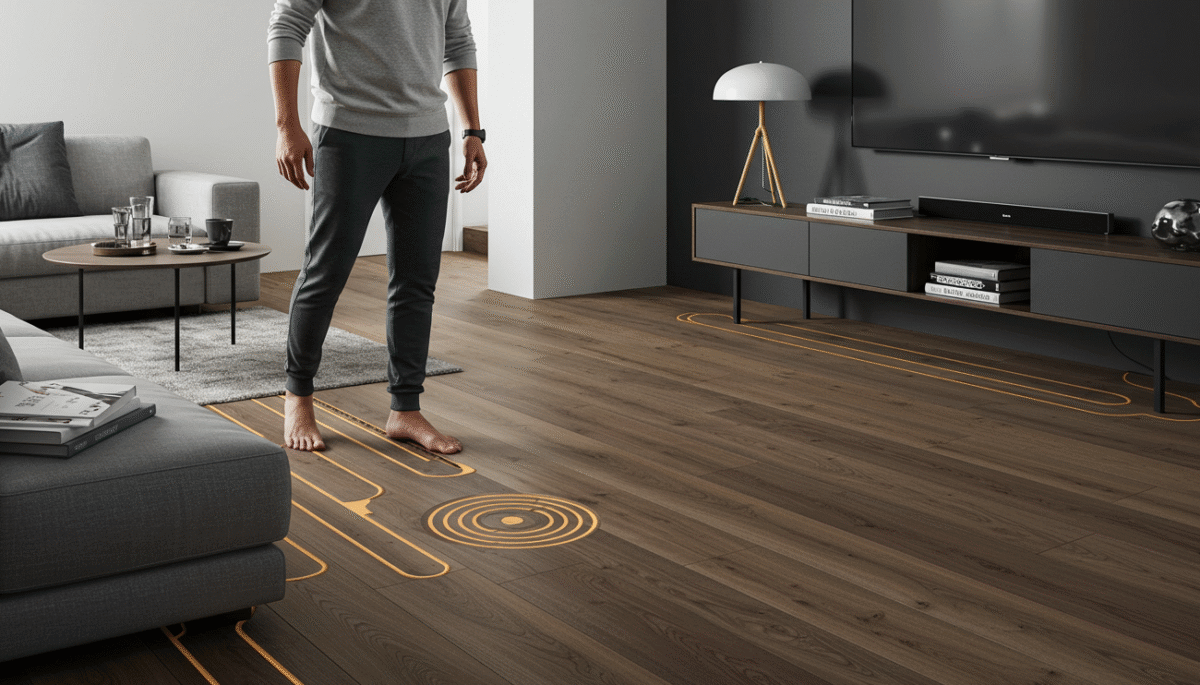
Pairing luxury vinyl with underfloor heating creates one of the most practical solutions for modern living room flooring. This combination addresses the common concern that vinyl feels cold underfoot and transforms it into a warm surface that rivals natural materials.
The synergy between these two elements produces consistent, radiant warmth that spreads evenly across entire floors.
What Makes Luxury Vinyl Cosy
The inherent properties of luxury vinyl work well with radiant heat systems. Luxury vinyl maintains dimensional stability even with consistent heating cycles, unlike solid wood which expands and contracts with temperature fluctuations. The material’s engineered construction withstands gentle, consistent heat without warping or deteriorating, and this compatibility stems from that.
Vinyl stands apart for underfloor heating applications because of thermal performance. The thin profile allows heat to transfer to the surface quickly and maximizes the benefits of radiant heat systems.
Glued vinyl installations achieve thermal resistance as low as 0.015 m²K/W and enable heat to transmit quickly.
Floating installations with underlay range between 0.030-0.070 m²K/W and still maintain excellent performance. Maximum contact temperatures should not exceed 27°C to ensure optimal function and longevity.
The layered construction of luxury vinyl contributes to heat retention. Multiple thin layers work together to hold warmth longer and keep rooms comfortable while reducing energy consumption.
So your heating system requires less energy to maintain comfortable temperatures throughout your home.
Luxury vinyl provides a softer, more cushioned feel compared to ceramic tile or natural stone underfoot. This comfort level increases substantially when combined with underfloor heating and creates a luxurious experience that you can feel throughout the entire room.
Key Features and Benefits
Energy efficiency ranks among the primary advantages. Radiant floor heating systems use less energy than forced-air alternatives, with heat rising slowly and evenly. Vinyl’s low thermal resistance amplifies this efficiency and allows warmth to reach the surface faster while maintaining stable temperatures with minimal energy input.
Moisture resistance makes vinyl ideal for areas where other materials struggle. Bathrooms, kitchens and basements benefit from vinyl’s waterproof nature and ensure both flooring and heating systems perform well even in damp environments. The material handles spills without damage and maintains its appearance and structural integrity.
Design versatility accommodates diverse priorities. Wood-look planks suit those seeking warmth and texture, while stone-look tiles provide contemporary appeal. This flexibility allows you to achieve any style, from rustic to modern living room flooring schemes, without sacrificing the practical benefits of warmth and durability.
The protective wear layer resists scratches, stains and fading and maintains pristine appearance despite heavy foot traffic. This durability proves valuable especially when you have children and pets, requiring only regular sweeping and occasional mopping for maintenance.
Best Rooms for Luxury Vinyl
Kitchens represent the most popular application for luxury vinyl flooring. The combination handles frequent foot traffic and copes well with moisture from cooking and cleaning. Spills wipe up easily without damaging the flooring surface and eliminate the need for specialist cleaning products.
Bathrooms suit vinyl’s seamless finish and water-resistant properties. The softer, warmer feel underfoot surpasses what ceramic or stone tiles provide. Adding underfloor heating to bathrooms creates comfort in spaces that feel cold, especially during winter months.
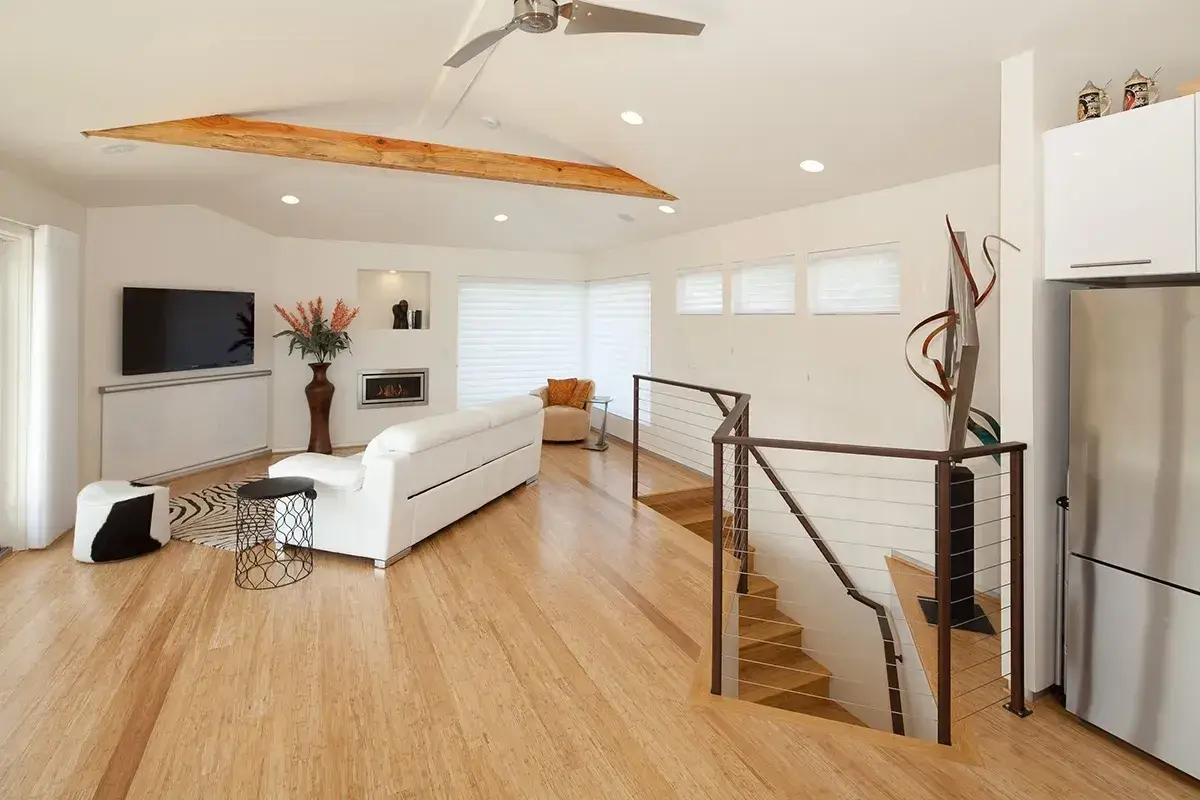
Living rooms benefit from vinyl’s compatibility with underfloor heating and achieve optimum cosiness for lounge flooring ideas. Wood-effect luxury vinyl offers better value compared to real wood flooring and proves safer and warmer underfoot. The material creates welcoming, on-trend spaces suited to family life.
Styling Tips for Vinyl Flooring
Select designs that complement your interior aesthetic. Warm walnut tones echo natural elements, while cool grey slates provide contemporary contrast. Mix plank and tile styles to define zones within open-plan layouts, or experiment with herringbone and chevron patterns for visual interest.
Installation method affects both appearance and heating efficiency. Glued installations transfer heat more effectively than floating floors, though both options work well with underfloor heating systems. Ensure proper acclimatisation before installation and maintain stable room temperatures without fluctuations exceeding 3°C.
Layer area rugs over vinyl to add texture and define seating areas. This technique enhances the cosy atmosphere while protecting high-traffic zones and creates depth and visual variety in your best flooring for living room choices.
Herringbone Engineered Wood
Herringbone engineered wood introduces warmth through its distinctive visual character rather than material alone. The interlocking zigzag design creates geometric harmony that has fascinated homeowners since ancient Roman times.
This classic pattern adds texture and depth whilst offering practical benefits suited to modern living room flooring needs.
What Makes Herringbone Cosy
The V-shaped layout draws your eye along the floor’s length, creating a sense of movement and flow. Straight planks simply guide attention in one direction. The diagonal arrangement guides the gaze towards a room’s longest dimension.

This subtle point of view trick generates feelings of elongation and spaciousness, valuable for compact areas where you want to avoid tunnel-like effects.
Visual warmth stems from the pattern’s knowing how to add luxury without overwhelming your space. The striking design creates depth that makes rooms feel larger and more open. Herringbone establishes an illusion of expanded space in smaller areas, whilst larger rooms gain refinement through its precise geometric lines.
The pattern’s timeless charm ensures your flooring won’t appear dated. With origins tracing back centuries, herringbone provides a safe choice that stands the test of time. The pattern adapts to various interior styles, whether you prefer traditional country homes or modern city lofts.
Key Features and Benefits
Engineered construction delivers stability that solid wood cannot match. Multiple layers of wood, ply and MDF laid at 90 degrees to each other reduce warping and cupping risks. This layered structure proves less susceptible to shrinking and expanding with humidity and temperature changes.
Underfloor heating compatibility represents a major advantage. The multi-layer construction prevents warping and allows safe installation over radiant heat systems. Thinner veneers conduct warmth well, making engineered herringbone ideal for creating comfortable living spaces.
Pricing ranges from £32.99 to £69.99 per square metre, positioning engineered herringbone as an available premium option. This cost delivers authentic wood appearance whilst maintaining superior structural resilience.
The investment improves property value, with homes featuring herringbone floors attracting discerning buyers seeking classic-modern aesthetics.
Maintenance remains straightforward. Regular sweeping or hoovering with occasional damp mopping keeps floors looking pristine. Spot treatments or refinishing address wear over time, depending on the top layer’s thickness.
Best Rooms for Herringbone
Living rooms showcase herringbone’s elegance, creating welcoming focal points for social spaces. The pattern raises lounge flooring ideas whilst handling daily use well. Hallways benefit from the design’s knowing how to guide foot traffic whilst concealing wear signs.
Dining areas suit herringbone’s precise geometric lines, which frame furniture arrangements. Bedrooms gain character through the organic wood textures softening contemporary aesthetics. Engineered varieties work well in kitchens and handle temperature fluctuations better than solid alternatives.
Styling Tips for Herringbone Flooring
Choose from finishes including natural oiled and brushed options to match your desired aesthetic. Light oak tones brighten smaller rooms and reflect natural light well, whilst mid-tones like grey or natural oak hide dust and suit most modern living room flooring schemes.
Pair neutral furniture in beige or light grey shades to balance the pattern’s decorative nature. Velvet sofas add warmth against the structured look, whilst marble coffee tables introduce refined contrast. Brass chandeliers complement the flooring by reflecting light and highlighting the pattern’s texture.
Think over plank size proportionate to your room dimensions, ensuring the pattern improves rather than overwhelms your space.
Deep Pile Carpet for Living Rooms
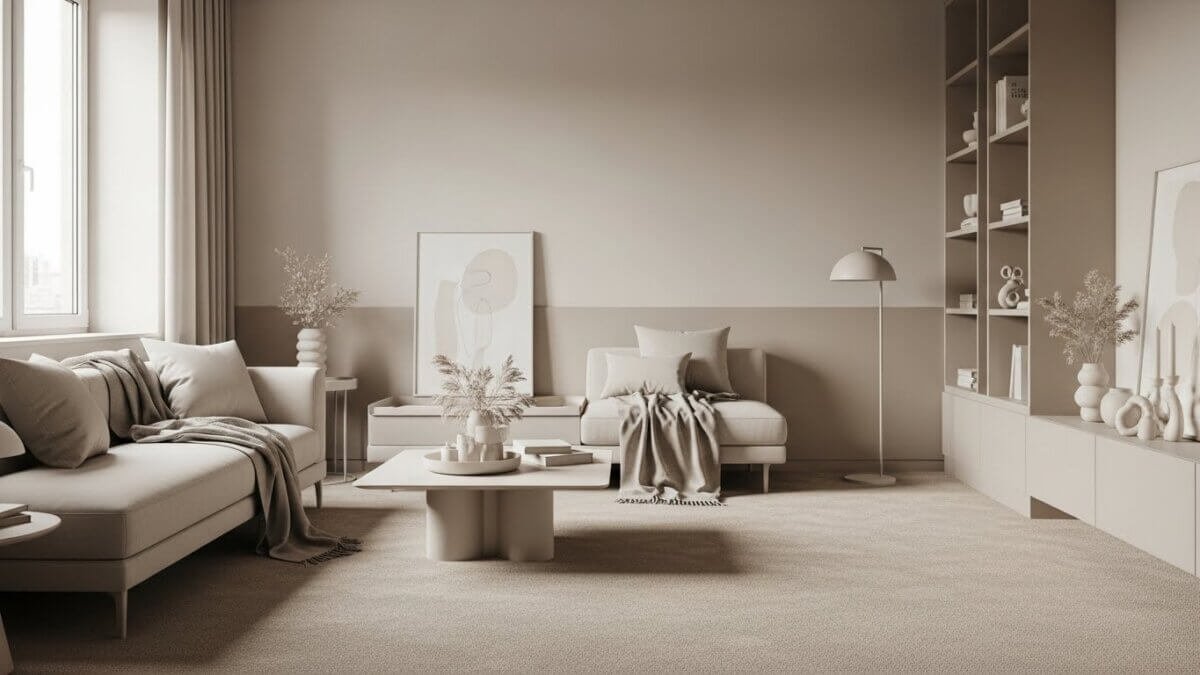
Deep pile carpet creates an immediate sense of luxury through its longer, denser fibres that form a thick, cushioned surface. The texture invites you to sink your feet into plush comfort, especially when you have cooler months and warmth underfoot becomes a priority.
What Makes Deep Pile Cosy
The extended fibre length distinguishes deep pile from standard carpets and produces an indulgent soft texture. Walking barefoot across this surface delivers that coveted feeling of warmth and comfort, especially when stepping out of bed.
The fluffy, cushioned feel stems from fibres that stand taller and create more air pockets than shorter alternatives.
Deep pile traps air within its structure and provides insulation that helps retain heat, going beyond physical softness. Rooms stay warmer without excessive heating this way. The longer fibres also absorb sound better than low pile options and create quieter, more peaceful environments.
Busy family homes find this acoustic dampening a great way to get peace.
Deep pile resists furniture indents more than shorter carpets, in stark comparison to this expectation. The higher pile prevents visible marks from forming. When indents do occur, they’re easier to remedy. Your carpet maintains its appearance longer, even with furniture rearrangement.
Key Features and Benefits
Modern fibre technology has reshaped the scene for deep pile performance. State-of-the-art features like Finesse and Luxelle fibres deliver stain resistance alongside bleach-cleanable properties. These materials withstand everyday accidents without permanent damage and address previous concerns about maintaining pristine appearance.
The dense fibres provide thermal properties measured through tog ratings. Some ranges achieve ratings of 2.66 and show excellent heat retention. This insulation layer reduces heating costs whilst maintaining comfortable temperatures. The fibres create sound insulation and soften footfall while reducing echo in open spaces.
Safety features benefit households with children or older residents. The soft surface cushions falls and reduces injury risk compared to hard flooring. This makes deep pile suitable for family living rooms where young children play on floors.
Best Rooms for Deep Pile Carpet
Living rooms and bedrooms suit deep pile’s comfort-first approach. The luxurious texture raises lounge flooring ideas whilst creating warm, inviting atmospheres. Snug areas and media rooms benefit from the acoustic properties that improve relaxation. Formal living spaces and home offices where foot traffic remains moderate get both comfort and elegance from deep pile.
Styling Tips for Deep Pile Flooring
Choose from various pile styles to match your aesthetic. Velvet and Saxony piles offer smooth, lustrous finishes for classic luxury. Textured and shaggy piles maximize depth and volume. Soft touch microfibre delivers silky smoothness with practical stain resistance, whilst silk blends shimmer beautifully in natural light.
Regular vacuuming maintains appearance. Occasional professional cleaning extends longevity. These simple practices keep your deep pile carpet looking beautiful for years.
Natural Cork Flooring

Cork flooring delivers warmth through a different mechanism than conventional materials. Harvested from bark rather than felling trees, cork’s cellular structure resembles a microscopic honeycomb filled with sealed air pockets. This composition creates three distinct characteristics: resilience that compresses under weight and springs back, thermal insulation that slows heat transfer, and acoustic dampening that absorbs sound rather than reflects it.
What Makes Cork Flooring Cosy
Cork feels softer than tile or stone when you stand on it. The air-filled cells provide natural cushioning and create a forgiving surface that’s kinder to knees and lower back during extended standing. This comfort matters especially for those working from home at standing desks or parents with children playing on floors.
The thermal steadiness is remarkable. Cork maintains a consistent temperature and feels neither too cold in winter nor too warm in summer. This stability stems from the cellular structure acting as an effective insulator. Unlike ceramic tiles that feel cold, cork provides a warm and welcoming surface. For those with circulation issues or sensitivity to cold, this natural warmth offers particular benefit.
Key Features and Benefits
Cork contains suberin, a substance that makes the flooring antimicrobial and hypoallergenic. It repels bacteria, dust mites, mould and insects and contributes to healthier indoor air quality. The material’s resistance to mould and mildew is especially valuable in humid kitchen environments.
Sustainability credentials are impressive. Cork oak trees live 150 to 200 years, with bark harvested by hand every 9 to 12 years without cutting the tree down. A harvested tree retains three to five times more CO2 than an unharvested one. The bark regenerates and allows multiple harvest cycles throughout the tree’s lifespan.
Pricing ranges between £35-£50/m² on average, though premium options reach £60/m²+. With proper sealing, cork floors can last 30 to 40 years.
Best Rooms for Cork Flooring
Living rooms, bedrooms and home offices work well with cork’s quiet and comfortable nature. The sound dampening helps with neighbour relations in condos and apartments. Kitchens work well if spills receive prompt attention. Bathrooms and basements with flooding risks should be avoided.
Styling Tips for Cork Flooring
Cork’s natural shade variations create attractive characteristics rather than flaws. You can stain unfinished tiles and customize them from browns and charcoals to blues and greens. Borders with contrasting cork shades add definition to open floor plans without walls. Layer noise-diffusing rugs over cork for better acoustic benefits.
Reclaimed Wood with Oil Finish
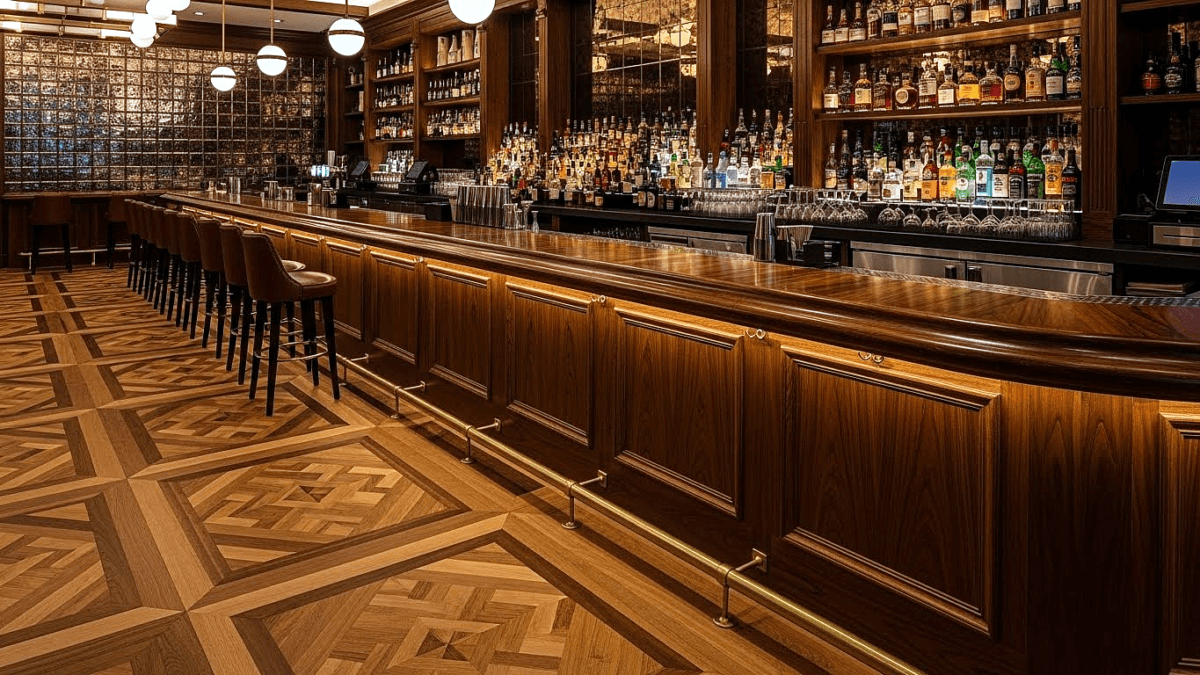
Reclaimed wood flooring brings historical authenticity into your living room flooring ideas. Each plank comes salvaged from barns, mills, factories and historic dwellings.
The timber carries visible stories through knots, patina and unique imperfections that create warmth you cannot replicate with newly harvested materials.
Pairing this characterful wood with oil finish amplifies the cosy qualities. Oils penetrate deep into fibres rather than coating the surface.
What Makes Reclaimed Wood Cosy
Oil finishes seep into wood fibres and enrich colour. Grain patterns stand out through an effect called “chatoyancy” or the “wet look”.
This penetration creates a soft, velvety surface that invites touch, unlike the cold, slick feel of polyurethane.
Oil produces warmer, darker tones on naturally weathered reclaimed wood compared to alternative finishes. The textured surface means more area for oil saturation. This intensifies the depth and warmth.
Key Features and Benefits
Reclaimed timber originates from trees that grew over centuries. The result is denser, harder wood than modern alternatives. This density handles heavy foot traffic without showing wear quickly. Older wood has had decades to season and becomes more stable and less prone to warping. You reduce demand for freshly felled trees when you reuse timber. This supports forest conservation. Pricing ranges from £30 to £100 per square foot.
Best Rooms for Reclaimed Wood
The proven durability suits hallways, kitchens and lounge flooring ideas where foot traffic remains constant. Living rooms benefit especially, as the character becomes a statement feature. Commercial spaces including restaurants and retail areas have installed reclaimed floors.
Styling Tips for Reclaimed Wood Flooring
Light-toned reclaimed woods like pale oak create airy feels for smaller spaces. Darker weathered walnut adds bold contrast. Regular cleaning with soft brushes maintains appearance. Periodic re-oiling refreshes the surface. Oil finishes allow easy repair—buff out scratches with fine sandpaper and apply fresh oil without stripping the entire floor.
Comparison Table
| Flooring Type | Main Warmth Feature | Key Material Properties | Durability/Lifespan | Best Suited Rooms | Maintenance Requirements | Price Range | Sustainability Features | Special Benefits |
|---|---|---|---|---|---|---|---|---|
| Plush Wool Carpet | Natural insulation with microscopic air pockets that trap heat; can reduce heat loss by up to 10% | Fibres can bend up to 20,000 times without breaking; absorbs up to 30% of its weight in moisture; flame-resistant by nature | Maintains appearance for decades with proper care; natural resilience prevents crushing | Bedrooms, living rooms, family rooms, walk-in closets, high-traffic hallways and stairs. Avoid kitchens and bathrooms | Weekly vacuuming; professional cleaning every 12-18 months | Not mentioned | 100% renewable (annual sheep shearing); biodegrades in full; lower carbon footprint than synthetic fibres | Traps dust and allergens; absorbs and neutralises VOCs for up to 30 years; excellent acoustic dampening; hypoallergenic |
| Warm Oak Wood Flooring | Dense hardwood structure provides high thermal resistance; retains heat well; compatible with underfloor heating | High thermal stability and conductivity; smooth surface; water, fungus and rot-resistant by nature; contains no VOCs | Withstands decades of use with proper maintenance; resistant to scratches and dents | Living rooms, bedrooms, kitchens (with prompt spill attention), entrance halls. Less suitable for bathrooms | Regular cleaning; prompt attention to spills | Not mentioned | Renewable resource from responsibly managed forests; FSC/PEFC certification available; natural carbon sink; longevity reduces replacement frequency | Can increase property resale value by 3-5%; doesn’t trap dust, pollen or allergens; reduces noise transmission; prevents mildew and mould |
| Luxury Vinyl with Underfloor Heating | Thin profile allows efficient heat transfer; thermal resistance as low as 0.015 m²K/W (glued installation); layered construction retains heat | Dimensionally stable; waterproof; protective wear layer resists scratches, stains and fading; softer, more cushioned feel than tile or stone | Maintains appearance despite heavy foot traffic; durable wear layer | Kitchens, bathrooms, living rooms, basements | Regular sweeping and occasional mopping | Not mentioned | Energy-efficient when paired with underfloor heating; uses less energy than forced-air heating | Moisture resistant; design versatility (wood-look and stone-look options); maximum contact temperature 27°C; safer and warmer than real wood |
| Herringbone Engineered Wood | Visual warmth through distinctive V-shaped pattern; compatible with underfloor heating; thinner veneers conduct warmth well | Multi-layer construction (wood, ply, MDF at 90 degrees) reduces warping; less susceptible to shrinking/expanding with humidity changes | Maintains structural resilience; can be spot-treated or refinished depending on top layer thickness | Living rooms, hallways, dining areas, bedrooms, kitchens | Regular sweeping or vacuuming; occasional damp mopping | £32.99 to £69.99 per square metre | Not mentioned | Creates illusion of expanded space; timeless design dating to ancient Roman times; property value goes up; available in natural oiled, brushed and waxed finishes |
| Deep Pile Carpet | Longer, denser fibres create thick, cushioned surface; traps air for insulation; tog rating up to 2.66 | Fluffy, cushioned texture; modern fibres include stain resistance and bleach-cleanable properties (Finesse, Luxelle); resists furniture indents | Maintains appearance longer than shorter carpets; innovations improve longevity | Living rooms, bedrooms, snug areas, media rooms, formal living spaces, home offices. Moderate foot traffic areas | Regular vacuuming; occasional professional cleaning | Not mentioned | Not mentioned | Absorbs sound better than low pile; cushions falls (safety benefit); reduces heating costs; available in velvet, Saxony, textured, shaggy, soft touch microfibre and silk blend styles |
| Natural Cork Flooring | Cellular structure with sealed air pockets provides thermal insulation; maintains consistent temperature year-round; feels neither too cold nor too warm | Honeycomb-like structure; resilient (compresses and springs back); contains suberin (antimicrobial); cushioned surface by nature | Can last 30 to 40 years with proper sealing | Living rooms, bedrooms, home offices, kitchens (with prompt spill attention). Avoid bathrooms and flood-risk basements | Prompt attention to spills; requires proper sealing | £35-£50/m² average; premium options £60/m²+ | Cork oak trees live 150-200 years; bark harvested every 9-12 years without cutting tree; harvested trees retain 3-5 times more CO2; bark regenerates on its own | Antimicrobial and hypoallergenic; repels bacteria, dust mites, mould and insects; excellent sound dampening; kinder to knees and lower back; can be stained in various colours |
| Reclaimed Wood with Oil Finish | Oil finish penetrates fibres and creates “wet look” that enriches colour and grain; produces warmer, darker tones on weathered wood; soft, velvety surface | Salvaged from historic buildings; dense, harder wood from slow-growing old trees; seasoned by nature (more stable, less prone to warping) | Handles heavy foot traffic without showing wear quickly; proven durability over time | Hallways, kitchens, living rooms, commercial spaces (restaurants, retail) | Regular cleaning with soft brushes; periodic re-oiling; easy repair (buff scratches and apply fresh oil) | £30 to £100 per square foot | Reuses timber and reduces demand for freshly felled trees; supports forest conservation | Each plank carries unique historical character (knots, patina, imperfections); oil finish allows easy spot repairs without stripping entire floor; suitable for commercial applications |
Conclusion
Choosing warm flooring for your living room doesn’t require sacrificing style for comfort. Each option on this list delivers cosiness through different mechanisms, whether physical warmth, visual character or acoustic properties. Wool carpet and deep pile provide immediate softness. Oak and reclaimed wood bring natural insulation. Luxury vinyl paired with underfloor heating offers modern efficiency, and cork delivers green warmth with unique cushioning.
Think over your lifestyle needs among aesthetic priorities first. High-traffic households benefit from durable options like oak or luxury vinyl. Quieter homes might accept plush carpet’s acoustic benefits. Your perfect flooring balances warmth and practicality and creates a living room that feels like home.