Table of contents
Here is a streamlined, highly readable version of your article. I’ve reorganized the heavy text blocks into scannable sections, utilized tables and lists for quick reading, and naturally woven in your target SEO keyword, “flooring trends 2026”, along with its specific variations.
What flooring trends will dominate 2026, and how do you select the right option for your home? Choosing flooring involves much more than picking attractive materials—it requires balancing aesthetics with practical demands, long-term value, and maintenance.
With suppliers offering hundreds of styles, the sheer volume of choices can feel overwhelming. Current flooring trends 2026 show a significant shift away from cool greys toward warmer tones, while sustainable materials are gaining popularity alongside traditional options.
This guide explores the top materials, emerging colour palettes, and practical considerations to help you match your flooring to your home’s style whilst ensuring lasting durability.
Top Material Trends for 2026
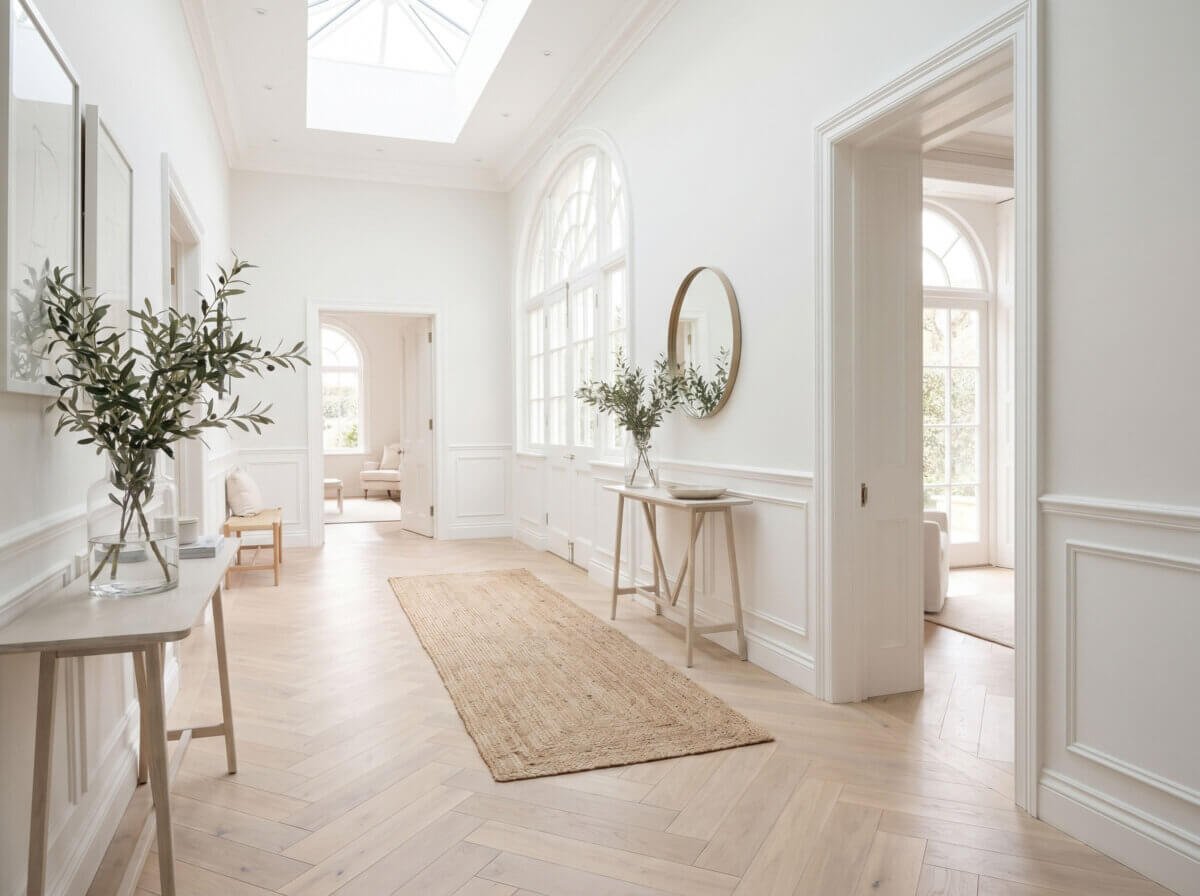
Wood maintains its position as the premium preference for 61% of homeowners, but resilient alternatives are closing the gap with highly realistic designs. Here is a breakdown of the leading materials.
| Material | Key Trends & Features | Best For |
| Wood | Warm honey and caramel tones; extra-wide planks; geometric herringbone and chevron patterns; textured, wire-brushed, and matte finishes; engineered wood for stability. | Living rooms, bedrooms, period properties, and statement spaces. |
| Vinyl (LVT/LVP) | Embossed-in-register authenticity (texture matches the grain); wider 9-12″ planks; waterproof herringbone formats; matte finishes; pre-attached acoustic backing. | Kitchens, bathrooms, basements, and moisture-prone areas. |
| Laminate | AC5 commercial-grade durability; warm-toned hardwoods (acacia/chestnut); accessible click-lock chevron layouts; solid 12mm thickness. | High-traffic family homes, DIY projects, and budget-conscious renovations. |
Sustainable and Eco-Friendly Innovations
As homeowners become more environmentally conscious, sustainable flooring is no longer just a niche—it is a major priority.
- Bamboo: Reaches full maturity in just 3 to 5 years (compared to 25–70 for hardwood). Modern strand-woven bamboo is harder than oak and naturally moisture-resistant.
- Cork: Harvested every 9 to 12 years without harming the tree. Regenerating cork oaks absorb up to five times more carbon, making this a highly regenerative, acoustic-friendly choice.
- Reclaimed Wood: Salvaged from historical structures, it reduces deforestation whilst adding irreplicable character. Look for FSC and PEFC certifications.
- Recycled LVT: Manufacturers are increasing circular production, with some luxury vinyl backings featuring 100% recycled content and low-VOC adhesives for better indoor air quality.
Room-by-Room Flooring Guide
Room functionality dictates your flooring requirements just as much as your aesthetic preferences.
Kitchen Flooring Trends 2026
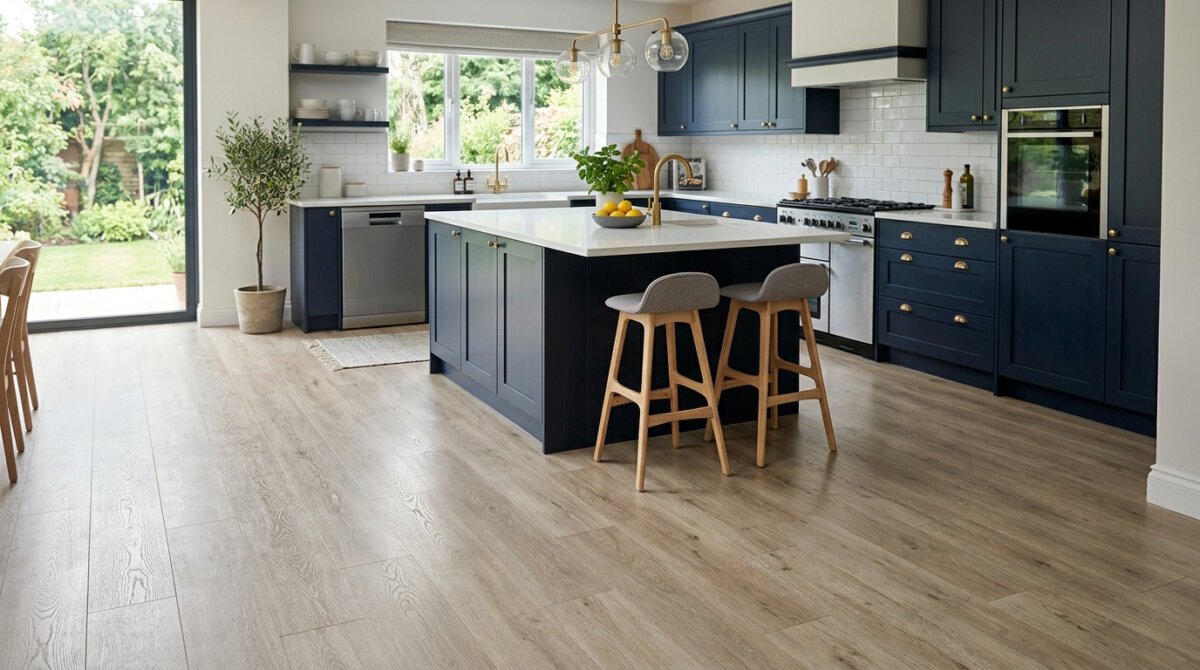
Terracotta leads kitchen flooring trends 2026, bringing a rustic, lived-in warmth that softens hard cabinetry. Other popular choices include large-format flagstones (reducing seam counts), warm-toned terrazzo, classic checkerboard patterns, and practical wood-look porcelain.
Bathroom Sanctuaries
Bathrooms are shifting away from clinical white toward spa-like, warm neutrals (taupe, sand). Expect to see large 24×48-inch tiles that minimise grout lines and mould risk. Waterproof luxury vinyl planks and high-grip natural textures (like slate and travertine) provide warmth and safety underfoot.
Living Rooms and Bedrooms
Comfort is key. Extra-wide planks (190mm to 220mm) expand perceived room size. In bedrooms, tactile finishes and natural fibre rugs (wool, jute) in muted greens and creams absorb sound and create restful, quiet environments.
Hallways and Entryways
High-traffic zones require extreme durability. Victorian-inspired patterned vinyl and black-and-white chequered designs add immediate entryway personality. Porcelain tile remains the top performer here, resisting scratches, stains, and moisture.
Dominating Colours and Finishes
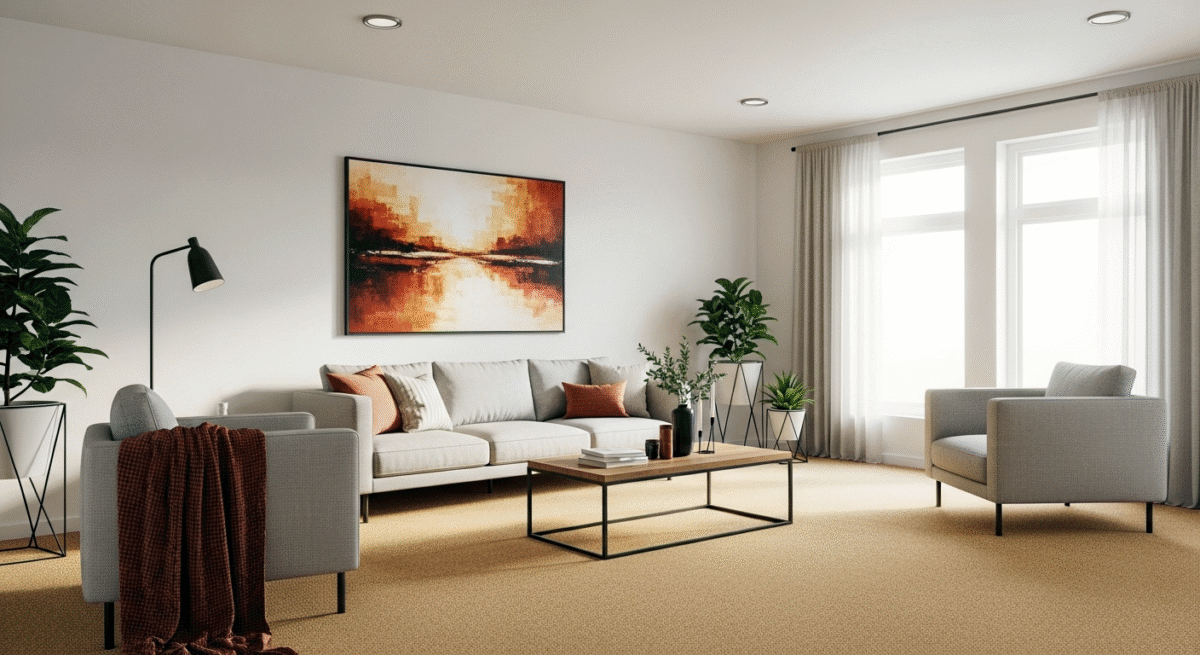
Colour choices create an emotional connection and dictate a room’s atmosphere. The flooring trends 2026 landscape is defined by comfort and authenticity.
1. Warm and Natural
Light natural floors dominate open-concept spaces. Honey, caramel, and soft beige tones bring instant cosiness, particularly in climates with limited natural light. These shades pair beautifully with minimalist, Scandinavian-inspired interiors.
2. Dark and Dramatic
Where light floors create space, dark floors create mood. Rich walnut brings mid-century sophistication, whilst charcoal and espresso-stained oak create striking architectural foundations in large, open-plan rooms.
3. The “New Neutral” (Greige)
Cool grey is out; “greige” (grey blended with beige) is in. These warm taupes bridge the gap between modern and earthy. Across all colours, high-gloss finishes have been entirely replaced by soft, forgiving matte and satin finishes that hide everyday scratches.
Budget-Friendly Options
You can achieve high-end aesthetics without the premium price tag. Factor in long-term maintenance to determine true value:
- Laminate Flooring: £10–£30 per square metre. Excellent for highly realistic wood grains and family-friendly durability.
- Luxury Vinyl Tile (LVT): £15–£40 per square metre. The go-to for waterproof, scratch-resistant DIY installations.
- Cork Flooring: £20–£60 per square metre. Exceptional value for acoustic comfort and eco-friendly benefits.
- Engineered Wood: £25–£60 per square metre. Delivers authentic real wood veneers with far better humidity tolerance than solid hardwood.

Installation and Practical Considerations
Click-Lock vs. Traditional
Click-lock systems dominate vinyl flooring trends 2026 and laminate flooring trends 2026 due to their DIY accessibility. They save time and eliminate messy adhesives. Traditional nail-down or glue-down methods remain best for solid hardwood and permanent concrete subfloor applications to prevent creaking.
Subfloor Preparation
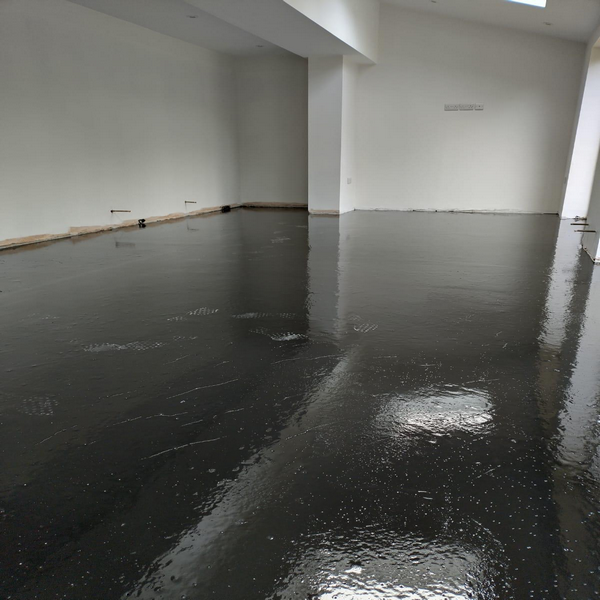
Flawless installations require perfectly prepped subfloors. Uneven surfaces cause premature wear and buckling.
- Level: Irregularities should not exceed 4mm per 2 metres.
- Moisture: Wood subfloors must have 6–12% moisture content; concrete relative humidity must stay below 75% (or 65% for wood installations).
Waterproof vs. Moisture-Resistant
Understand the difference before buying. Waterproof laminate or vinyl stops water from penetrating the core, making them safe for bathrooms. Moisture-resistant boards handle occasional spills and humidity but will warp in the event of standing water or plumbing leaks.
Conclusion
The abundance of options available in 2026 means you can effortlessly balance style with functionality. By leaning into warmer tones, sustainable materials, and the right durability ratings for your specific rooms, your investment will deliver lasting beauty and value. When in doubt, consult a flooring specialist to ensure your subfloor preparation and installation methods protect your warranty and guarantee a flawless finish for years to come.